Roof Maintenance Record: Track Inspections, Repairs, and Warranty Coverage
Free roof maintenance record template to track inspections, repairs, and warranty claims. Includes lifespan data by roofing material and seasonal inspection checklist.
By the Real Estate Ledger Team
A roof replacement costs between $5,750 and $12,500 for the average American home, with most homeowners investing around $9,000, according to NerdWallet. That makes the roof one of the single most expensive components you will ever replace — and one of the most neglected in terms of record-keeping. A roof maintenance record gives you a documented history of inspections, repairs, and material details that protects your warranty, supports insurance claims, and adds measurable value at resale.
This roof inspection record template covers everything from material specifications to seasonal inspection logs. Whether your roof is asphalt shingle, metal, tile, or flat membrane, the structure below adapts to any roofing system.
Roof Profile and Maintenance Record Template
Complete the roof profile once, then add inspection and service entries over time.
Roof Profile
| Field | Details |
|---|---|
| Roofing Material | e.g., Architectural asphalt shingles |
| Manufacturer / Brand | e.g., GAF Timberline HDZ |
| Color | e.g., Charcoal |
| Installation Date | e.g., 05/2019 |
| Installer / Contractor | e.g., Summit Roofing LLC |
| Installer Warranty | e.g., 10-year workmanship (exp. 05/2029) |
| Manufacturer Warranty | e.g., Lifetime limited (transferable) |
| Roof Area (sq. ft.) | e.g., 2,400 |
| Roof Pitch | e.g., 6/12 |
| Ventilation Type | e.g., Ridge vent + soffit vents |
| Expected Lifespan | e.g., 25-30 years |
Inspection and Service Log
| Date | Type | Inspector / Contractor | Findings | Action Taken | Cost | Next Inspection Due | Documentation Ref |
|---|---|---|---|---|---|---|---|
| 04/10/2025 | Seasonal inspection | Self | No visible damage, gutters clear | None needed | $0 | 10/10/2025 | Photos saved |
| 10/15/2025 | Seasonal inspection | Self | Two shingles lifted near ridge | Re-sealed with roofing cement | $12 | 04/10/2026 | Before/after photos |
| 01/22/2026 | Storm damage | Peak Roofing | 8 shingles missing, flashing loose | Replaced shingles, re-sealed flashing | $485 | — | INV-7723, claim #H-4401 |
| 03/15/2026 | Professional inspection | ABC Roofing Inspection | General wear consistent with age, no leaks | Recommend recoating in 2 years | $275 | 03/15/2029 | Report PDF |
Inspection types:
- Seasonal inspection: visual check twice per year (spring and fall), performed by homeowner
- Professional inspection: thorough evaluation by a licensed roofer (recommended every 3-5 years)
- Storm damage: assessment after significant weather events (hail, high winds, heavy snow)
- Warranty inspection: periodic checks required by manufacturer warranty terms
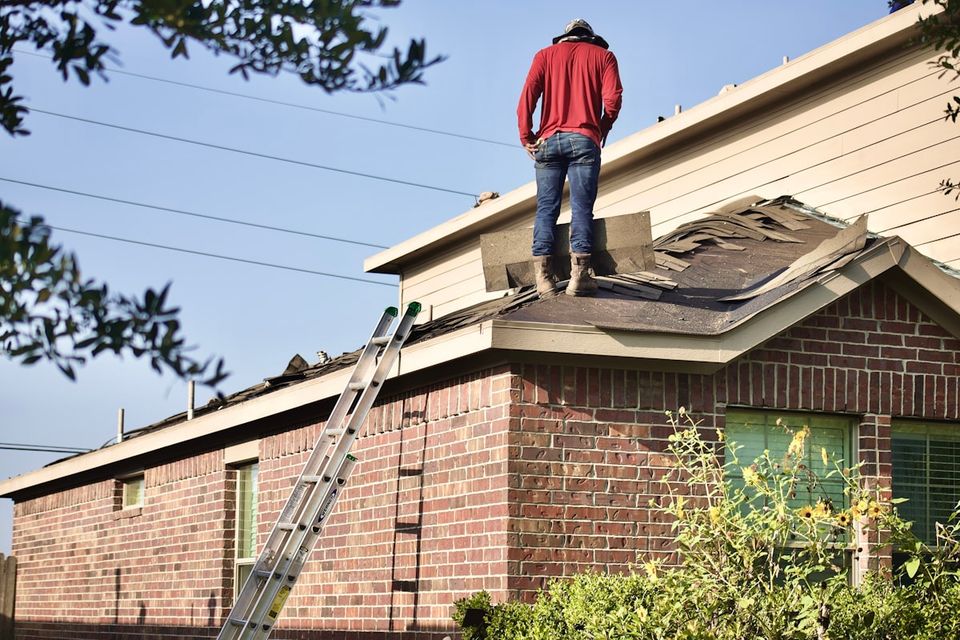
Roof Lifespan by Material Type
Knowing your roof's expected lifespan helps you plan for replacement and prioritize maintenance. This data is compiled from InterNACHI's life expectancy chart and industry sources.
| Roofing Material | Expected Lifespan | Inspection Frequency | Key Maintenance |
|---|---|---|---|
| 3-Tab Asphalt Shingles | 15-20 years | Twice yearly + after storms | Check for curling, missing shingles |
| Architectural Asphalt Shingles | 25-30 years | Twice yearly + after storms | Inspect granule loss, flashing |
| Metal (standing seam) | 40-70 years | Annually | Check fasteners, seams, corrosion |
| Clay/Concrete Tile | 50-100 years | Annually | Inspect for cracked tiles, underlayment |
| Slate | 75-150 years | Annually | Check for broken or sliding slates |
| Wood Shake | 20-40 years | Twice yearly | Look for splits, moss, rot |
| Flat/Low-Slope (TPO, EPDM) | 20-30 years | Twice yearly | Check seams, ponding water, membrane |
Regular inspections extend roof life regardless of material. According to roofing industry data reported by Angi, catching small issues early (a few lifted shingles, cracked flashing, or minor leaks) typically costs $200 to $600 to repair. Left unaddressed, those same issues escalate into structural damage costing thousands.
What Your Roof Warranty Requires
Most roof warranties include maintenance requirements that void coverage if not followed. A roof warranty record that documents compliance is essential.
Common manufacturer warranty requirements:
- Professional inspection at specified intervals (often every 3-5 years)
- Prompt repair of identified issues
- Adequate attic ventilation maintained throughout warranty period
- No unauthorized modifications or coatings
- Proper documentation of all maintenance and repairs
Common workmanship warranty requirements:
- Report issues to the installing contractor within the warranty period
- Allow the original installer first right to make repairs
- Maintain gutters and downspouts to prevent water backup
A homeowner in Raleigh filed a warranty claim seven years after installation when several shingles showed premature granule loss. The manufacturer requested maintenance records. Because she had a roof maintenance record showing biannual self-inspections with dated photos and a professional inspection at year five, the manufacturer approved a full material replacement valued at $8,200. Without those records, the claim would have been denied under the "failure to maintain" exclusion.
For tracking warranty coverage across all your home systems, see our home warranty tracking system. For a complete overview of what documentation buyers expect at closing, check our property records for home sale checklist.
How to Conduct a Homeowner Roof Inspection
You do not need to climb onto your roof to perform a useful seasonal inspection. Here is a ground-level and attic inspection checklist to log in your roof inspection record template:
Ground-level exterior check:
- Look for missing, cracked, or curling shingles
- Check flashing around chimneys, vents, and skylights
- Inspect gutters for granule accumulation (sign of shingle wear)
- Look for sagging sections in the roofline
- Check that downspouts direct water away from the foundation
Attic interior check:
- Look for daylight through the roof boards
- Check for water stains or dampness on rafters
- Inspect insulation for moisture or mold
- Verify ventilation is unobstructed
- Note any musty odors (potential leak sign)
Document findings in your service log with notes and photos. Even "no issues found" entries are valuable, because they establish that you were monitoring the roof consistently. According to the Insurance Information Institute (III), maintaining dated photographs alongside written inspection records significantly strengthens both insurance claims and warranty disputes by providing time-stamped visual evidence of your roof's condition over time.
For overall home documentation, our guide on how to prepare for a home inspection covers what inspectors look for across all systems. If you are also maintaining your gutter system as part of roof care, our gutter maintenance log provides a dedicated tracking template.


The Highest Point of Your Home Deserves the Deepest Records
Your roof absorbs more weather than any other component of your home. It is the first line of defense against rain, snow, wind, and sun, and it represents one of your largest single-item maintenance expenses. A roof maintenance record that tracks every inspection, repair, and warranty detail ensures that when you need to make a claim, budget for a replacement, or sell your home, the proof is already organized and ready.
Our free Home Maintenance Planner schedules roof inspections alongside your other seasonal tasks.
Frequently Asked Questions
How often should I inspect my roof?
Inspect your roof visually from the ground at least twice a year — once in spring after winter weather and once in fall before cold weather arrives. After any significant storm with hail or high winds, do an additional check. Schedule a professional inspection every 3 to 5 years, or annually if your roof is over 15 years old.
What should I include in a roof maintenance record?
Include the roof material, manufacturer, installation date, installer information, and both manufacturer and workmanship warranty details. For each inspection or service event, record the date, who performed it, what was found, what action was taken, the cost, and when the next inspection is due. Attach or reference photos and inspection reports.
Do I need a roof inspection record to file an insurance claim?
While not technically required, a documented roof maintenance record significantly strengthens your claim. Insurance adjusters assess whether damage is sudden (covered) or the result of neglect (often excluded). A record showing regular inspections and timely repairs demonstrates responsible ownership and supports the argument that damage was caused by the event, not deferred maintenance.
Is a roof warranty transferable when I sell my home?
Many manufacturer warranties are transferable to the new owner, but the process and terms vary. Most require notification within 30 to 60 days of the sale and may involve a transfer fee. Some warranties transfer with reduced coverage or shorter remaining terms. Your roof warranty record should include the transfer policy details and any required steps.
Protect Your Roof Investment With Verified Records
Real Estate Ledger turns your roof maintenance record into a verified digital archive that manufacturers, insurers, and buyers can trust. Upload inspection reports, contractor invoices, and storm damage photos — AI categorizes each document automatically. Every record receives tamper-proof Digital Evidence, creating an authenticated roof history that strengthens warranty claims and justifies your home's value at sale. Free for up to 10 properties.
Get started freeRelated Templates
Water Heater Service Record: Extend Your Unit's Life With Documented Maintenance
Free water heater service record template to track flushing, anode rod replacement, and warranty details. Includes maintenance schedule to double your unit's lifespan.
4 min readHVAC Service History Log: Track Every Tune-Up, Repair, and Filter Change
Free HVAC service history log template to track tune-ups, repairs, filter changes, and warranty claims. Includes maintenance schedule and energy savings data.
4 min readHome Vendor Management Tracker: Keep Every Contractor on Record
Free contractor contact list template to track home service providers, licenses, insurance, and job history. Printable vendor management tracker for homeowners.
5 min readSprinkler System Maintenance Log Template
Track sprinkler inspections, winterization, and repairs with this free maintenance log template. Prevent freeze damage with documented seasonal care.
6 min read