Property Records That Increase Home Value When Selling
Learn which property records increase home value at sale. Maintenance logs, warranty docs, and permits that buyers pay more for, with a downloadable checklist.
By the Real Estate Ledger Team
Property records needed to sell a home are the documented proof of maintenance, improvements, and system condition that buyers, appraisers, and lenders use to evaluate a property's worth. Every dollar you've spent maintaining your home should work in your favor at sale time, but without records, those investments are invisible to buyers. A new roof means nothing if you can't prove when it was installed, who did the work, or whether it's still under warranty.
Property records turn past spending into present value. According to the National Association of Realtors (NAR), 86% of recent buyers said home condition was a top factor in their purchase decision, and home maintenance records for buyers are the primary way they verify that condition. This guide covers which records matter most, how they affect your sale price, and what to do if you're missing key documents.
Why Property Records Affect Sale Price
The connection between documentation and sale price is straightforward. Buyers calculate risk. When records are missing, buyers assume the worst and adjust their offers accordingly, or they use inspection findings to negotiate credits.
The Appraisal Institute notes that homeowners typically recover 60-80% of renovation costs at resale, but only when the work is documented. Unpermitted improvements, in particular, can be valued at $0 by appraisers because there's no proof the work met code.
Here's a simple example. Two identical homes in the same neighborhood both have new HVAC systems installed 3 years ago at a cost of $12,000. Seller A has the contractor invoice, permit, warranty certificate, and annual service receipts. Seller B says "we replaced the HVAC a few years back." Seller A's documentation proves the system's value, warranty status, and maintenance history. Seller B's claim is unverifiable.
Seller A's home appraised at full value with the HVAC system credited at replacement cost. Seller B's appraiser noted the system age as unknown and applied no credit. The difference: Seller A avoided a $7,500 buyer credit request that Seller B accepted to keep the deal alive. Proof of home maintenance when selling is what bridges that gap.
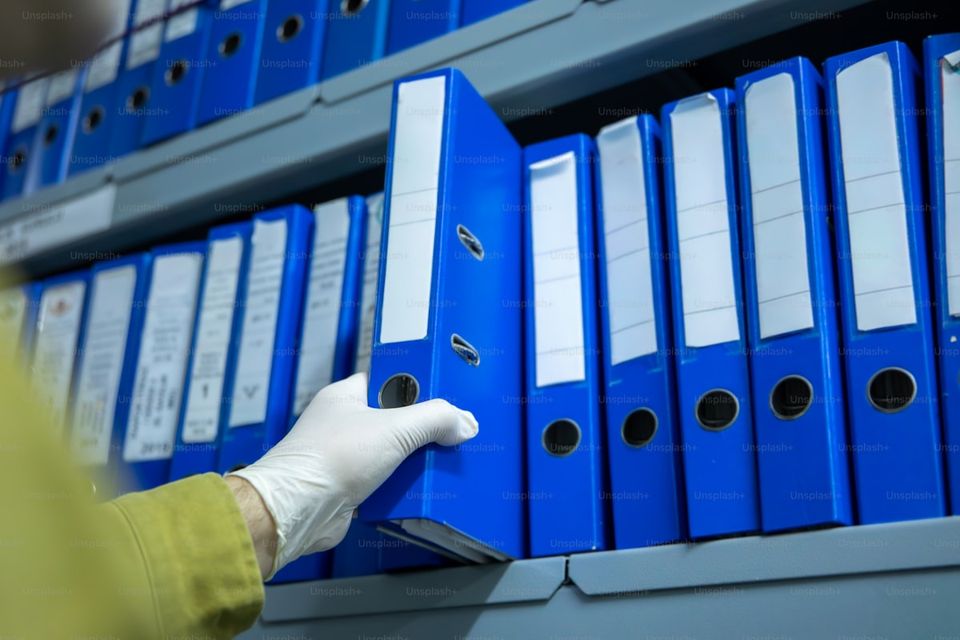
The Records That Matter Most to Buyers and Appraisers
Not every receipt has equal impact. Focus your effort on the records that appraisers, inspectors, and buyers actually weigh during the sale process.
High-Impact Records (Directly Affect Appraised Value)
Permits and certificates of completion. These prove that work was done to code and inspected by your local building authority. Without permits, improvements may be excluded from the appraisal or flagged as a liability. Unpermitted work is a common finding during home inspections and routinely surfaces during the diligence phase of a sale.
Roof documentation. Roof condition is one of the top factors in both appraisals and insurance eligibility. Records should include: installation date, contractor name, materials used, warranty terms, and any inspection or repair receipts since installation. A documented 10-year-old roof with regular inspections is valued higher than a roof of unknown age. Track this with our roof maintenance record template.
HVAC service history. Buyers and inspectors pay close attention to HVAC systems because replacement costs range from $5,000 to $15,000. Annual service receipts, filter change logs, and any repair records show the system has been properly maintained. Our HVAC service history log provides a ready-made format.
Structural and foundation records. Any inspection reports, engineer assessments, or repair records related to the foundation carry significant weight. Foundation problems are among the most expensive to fix, and documented clean inspections provide strong reassurance.
Medium-Impact Records (Strengthen Buyer Confidence)
| Record Type | What to Include | Impact on Sale |
|---|---|---|
| Water heater service | Installation date, flush records, warranty | Avoids $1,500-$3,000 replacement negotiation |
| Electrical panel upgrades | Permit, inspection certificate, contractor details | Confirms safety and code compliance |
| Plumbing repairs | Dates, scope of work, contractor info | Prevents lowball offers from cautious buyers |
| Window/door replacement | Invoice, warranty, energy efficiency ratings | Supports higher appraisal for energy improvements |
| Insulation upgrades | Type, R-value, installer, date | Energy efficiency records becoming standard |
| Septic or sewer line | Inspection reports, pump-out receipts, repair records | Replacement cost: $5,000-$25,000; buyers in rural areas treat this as a deal-breaker |
Supporting Records (Build Trust and Transparency)
- Pest inspection history (especially termite)
- Annual maintenance receipts (gutter cleaning, chimney sweeping, dryer vent cleaning)
- Landscaping and irrigation system maintenance
- Appliance warranties and serial numbers
- Paint colors, flooring specifications, and fixture details
These don't directly change the appraised value, but they signal to buyers that the home has been cared for consistently. Buyers choosing between two similar properties will lean toward the one with complete records. For the legally required disclosures that accompany these records, see our seller disclosure documents checklist.
How to Reconstruct Missing Records
If you haven't been tracking maintenance, don't panic. You can rebuild much of your property's documented history.
Contact service providers. HVAC companies, plumbers, electricians, and roofers typically keep customer records for 5-7 years. Call them and ask for copies of invoices and service reports. Many can email PDFs.
Check your local building department. Permits are public records. Visit your city or county building department's website, or call them to request copies of any permits pulled for your address.
Pull your insurance claim history. Your insurer can provide a CLUE report (Comprehensive Loss Underwriting Exchange) showing claims filed on the property. This confirms past incidents and their resolution.
Review your email and bank statements. Search your email for receipts from home service companies. Bank and credit card statements can help you identify vendors and approximate dates for past work.
Request utility history. Utility companies store billing data going back several years. This establishes patterns and supports claims about energy efficiency improvements.
Our guide on how to organize home maintenance records walks through this process in detail.
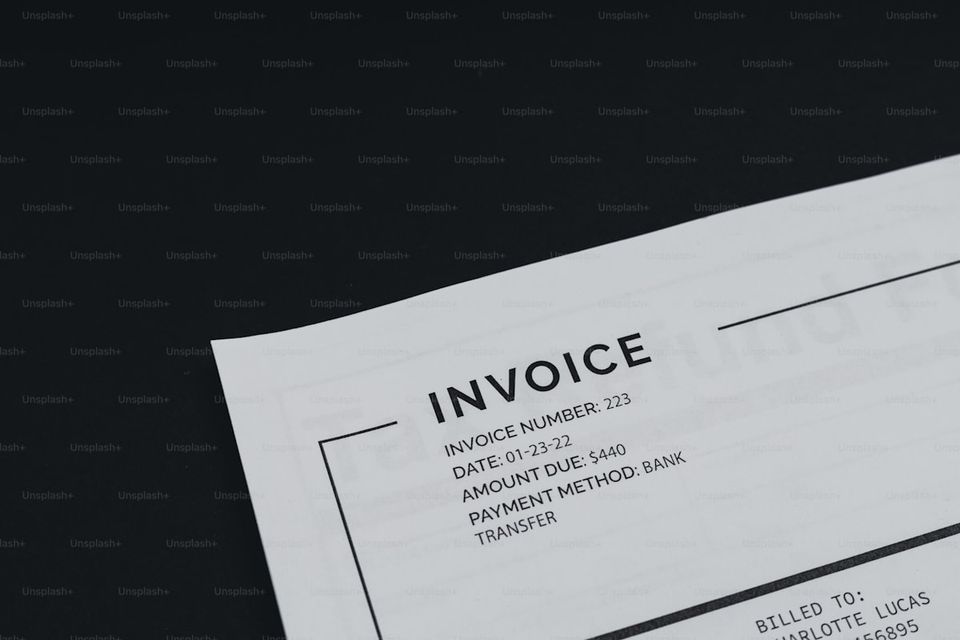
Organizing Records for Maximum Sale Impact
Raw documents dumped into a folder don't impress anyone. How you present records matters.
Group by system. Create sections for each major system: roof, HVAC, plumbing, electrical, foundation, appliances, exterior. Within each section, order documents chronologically with the most recent first.
Create a summary sheet. One page that lists each major system, its age, last service date, warranty status, and any relevant notes. This gives buyers and agents a quick overview before they review individual documents.
Include photos. Before/after photos of renovations, photos of equipment labels showing model and serial numbers, and dated photos of completed repairs all strengthen your documentation package.
Make it shareable. Digital documents shared through a secure platform are the expectation in today's market. Buyers' agents need to forward records to inspectors, lenders, and insurance companies.
For a template you can use today, our home maintenance checklist template covers every category.
What Documents Increase Home Value the Most?
Understanding what documents increase home value helps you prioritize if you're short on time. Focus on the records with the highest return on effort.
Permits always come first. No other document type has more impact on appraised value. If you did permitted work, find those records. If you did unpermitted work, talk to your agent about options before listing.
Roof and HVAC documentation come second. These are the two most expensive systems to replace, and buyers will ask about them. Documented maintenance histories for both systems can prevent $5,000-$15,000 in negotiated credits.
Warranty transfers come third. Active warranties that transfer to the buyer add concrete, quantifiable value. A roof with 15 years of warranty remaining is worth more than one with no coverage.
For the full list of documents to prepare before listing, see our pre-listing documentation checklist and the complete documents needed to sell a house guide.

Frequently Asked Questions
Do home maintenance records really increase property value?
Yes. While records don't change the physical condition of the home, they prove that condition to buyers, appraisers, and inspectors. Documented maintenance reduces perceived risk, which leads to stronger offers and fewer negotiated credits. The effect is most pronounced for expensive systems like roofs, HVAC, and foundations, where replacement costs are high and buyers are cautious.
How far back should I keep property records?
Keep records for the entire time you own the property. Buyers value comprehensive documentation going back 10-15 years for major systems. For items with warranties, keep records at least until the warranty expires. Even older records have value if they show a pattern of consistent care. Our homeowner record-keeping system guide explains what to keep and for how long.
What if I inherited the property and have no records?
Start by contacting the local building department for permit history. Reach out to local service companies who may have records for the address. Order a CLUE report from your insurer for claim history. Then begin documenting from today forward. Even a few months of organized records show buyers you're a responsible owner. See our inherited property documentation guide for the full process.
Can I create records retroactively?
You can gather copies of existing records from service providers, building departments, and your own financial records. You cannot fabricate records for work that wasn't done. If you're unsure about past maintenance, hiring a professional for a current inspection creates a fresh baseline document that buyers will accept.
Which records should I digitize first?
Start with permits (highest impact on appraised value), then roof and HVAC documentation, then warranties with active coverage. After those priorities, work through what paperwork buyers want from sellers to fill in remaining gaps.
Track and Share Your Records With Real Estate Ledger
Building a documented property history is easier when you start early. Real Estate Ledger gives homeowners a single platform to upload receipts, warranties, permits, and inspection reports as they happen. AI-powered categorization sorts each document automatically, and blockchain-backed Digital Evidence creates tamper-proof verification that buyers trust. When you're ready to sell, generate a Property Guidebook that packages your entire maintenance history into a professional report. Ed Oravetz of LedgerLiving embeds Real Estate Ledger into every home in The Terraces Townhomes, a 60-unit community in the Blue Ridge Mountains. From foundation to closing, every permit, inspection, warranty, and receipt is documented. At closing, the guidebook transfers to the homeowner. "Most builders hand you a house," Oravetz said. "We're handing homeowners the proof." Free for up to 10 properties — no credit card required.
Get started freeRelated Checklists
Property Documentation Report: A Practical Checklist for Every Homeowner
Build a complete property documentation report with this checklist. Covers legal, financial, insurance, permits, maintenance, and warranty records for homeowners.
6 min readProperty History Report: What to Include and Why It Matters
Learn what goes into a property history report, why buyers and lenders want one, and how to build yours. Includes a complete checklist and real seller results.
5 min readSpring Home Maintenance Checklist: 14 Tasks That Pay for Themselves
Spring home maintenance checklist with sourced cost-of-neglect data for every task: gutters, AC tune-up, roof, dryer vent, and more. Free planner included.
11 min readFall Home Maintenance Checklist: 12 Tasks and What It Costs to Skip Each One
A fall home maintenance checklist with sourced cost-of-neglect data for every task. Twelve jobs, dollar figures, and a free planner to track them.
9 min read