New Construction Documentation Checklist: What Builders and Buyers Need to Track
Complete new construction documentation checklist for builders and buyers. Covers permits, inspections, warranties, change orders, and closing documents for new homes.
By the Real Estate Ledger Team
A new construction documentation checklist is a phase-by-phase record of every permit, inspection, material selection, warranty, and change order generated during a home build. Building a new home generates more paperwork than most people expect. From the first permit application to the final certificate of occupancy, a typical single-family construction project produces 50 to 100 individual documents across 8 to 12 months of building. The National Association of Home Builders (NAHB) reports that the average new single-family home costs over $390,000 as of 2024, making thorough documentation not just good practice but a financial protection strategy. The International Code Council (ICC) emphasizes that proper documentation of code compliance protects both builders and buyers throughout the life of the home.
This new home construction document list breaks down every record that builders and buyers should track, organized by construction phase. Builder documentation requirements vary by jurisdiction, but the categories below apply across most U.S. markets.
Pre-Construction Documents
Before any dirt moves, several documents establish the legal and financial foundation of the project.
| Document | Responsible Party | Purpose |
|---|---|---|
| Building permit | Builder (filed with local jurisdiction) | Legal authorization to construct |
| Site survey and soil report | Builder or developer | Confirms buildability and foundation requirements |
| Architectural plans and specs | Architect or builder | Defines the scope of construction |
| Construction contract | Builder and buyer | Terms, price, timeline, and change order process |
| Builder's license and insurance | Builder | Proves legal authority and liability coverage |
| Lot deed or purchase agreement | Buyer or developer | Establishes land ownership |
| HOA architectural approval | Builder (if applicable) | Confirms compliance with community standards |
| Lender pre-approval or commitment | Buyer | Secures construction financing |
Missing even one pre-construction document can halt the project. A builder in Charlotte broke ground on a 24-home subdivision and discovered the soil report had not been filed with the county. Work stopped for six weeks while the geotechnical engineer completed testing and the county reviewed results. The delay cost approximately $187,000 in carrying costs and subcontractor rescheduling fees, and four buyers exercised contract cancellation clauses tied to the missed completion date.
Construction Phase Documents
During active building, documentation tracks quality, compliance, and any changes to the original scope.
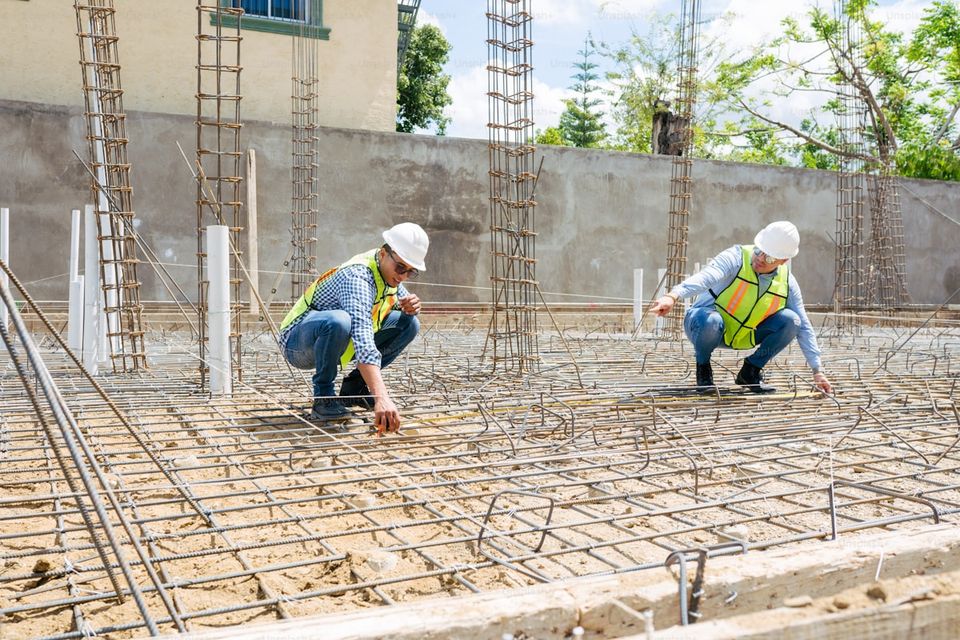
Inspection reports are the backbone of construction documentation. Most jurisdictions require inspections at these stages:
- Foundation and footings
- Framing (rough-in)
- Electrical rough-in
- Plumbing rough-in
- Mechanical (HVAC) rough-in
- Insulation
- Final inspection
Each passed inspection should be recorded with the date, inspector name, jurisdiction, and any noted conditions. Failed inspections need documentation of the corrective action taken and the subsequent re-inspection result.
Change orders require special attention. Every modification to the original plans or specifications should be documented in writing with the scope of change, cost impact, timeline impact, and signatures from both builder and buyer. Verbal agreements about moving an outlet or upgrading a countertop lead to disputes at closing.
Materials and selections records track exactly what went into the home: manufacturer, model number, color or finish, warranty terms, and installation date. When a homeowner calls three years later asking what paint color is in the master bedroom, this record answers the question in seconds.
Warranty Documentation
New homes come with multiple layers of warranty protection, and each layer requires its own documentation.
| Warranty Type | Typical Duration | What It Covers | Documents Needed |
|---|---|---|---|
| Builder structural warranty | 10 years | Foundation, framing, load-bearing | Warranty certificate, terms, enrollment |
| Builder systems warranty | 2 years | Plumbing, electrical, HVAC, mechanical | Warranty certificate, terms |
| Builder workmanship warranty | 1 year | Finishes, paint, drywall, trim, doors | Warranty certificate, terms |
| Appliance manufacturer warranty | 1-5 years | Individual appliances | Registration cards, receipts, serial numbers |
| Roofing manufacturer warranty | 20-50 years | Roofing materials | Registration, installation certificate |
| Third-party home warranty | 1-10 years | Extended coverage for systems and appliances | Policy, claims process |
The NAHB publishes warranty guidance for new-home builders, and a multi-year structural warranty — typically 10 years — is standard practice. The challenge is not the warranty itself but organizing the documentation so it is accessible when a claim arises. A 10-year structural warranty is only useful if the homeowner can locate it in year eight.
Register each warranty within the manufacturer's required window, which is typically 30 to 90 days from closing. Note that warranty requirements vary by state. Some states like New Jersey and Connecticut mandate specific builder warranty terms by statute, while others leave terms entirely to the contract. Check your state's new home warranty laws to understand the minimum protections that apply to your build. For guidance on tracking these warranties, see our home warranty documentation checklist.
Closing and Handoff Documents
The final phase of new construction documentation is the handoff from builder to buyer. This is where months of accumulated records become the buyer's property file.
Builder-to-buyer handoff package should include:
- Certificate of occupancy
- All inspection reports (pre-construction through final)
- Complete warranty package with registration confirmations
- Appliance manuals, serial numbers, and warranty cards
- As-built drawings or final floor plans
- Paint colors, materials specs, and finish schedules
- Subcontractor contact list
- Change order documentation
- Utility connection confirmations
- HOA enrollment documents (if applicable)
- Maintenance schedule recommendations
Ed Oravetz at LedgerLiving, builder of The Terraces Townhomes in the Blue Ridge Mountains, embeds Real Estate Ledger into every home from foundation to closing. Permits, rough-in photos, inspection reports, materials specifications, change orders, selections, warranties, and receipts are all uploaded during construction and transferred to the homeowner at closing via a digital property guidebook.

Digital Documentation vs. Paper Binders
Many builders still hand buyers a three-ring binder at closing. That binder gets shelved, misplaced, or partially emptied within the first year. A National Association of Realtors (NAR) survey found that 97% of buyers used the internet during their home search, and they expect the same digital access to continue after closing. Digital documentation solves the access problem.
| Factor | Paper Binder | Digital Platform |
|---|---|---|
| Searchability | Flip through pages | Instant keyword search |
| Access from anywhere | Only at home | Any device, any location |
| Sharing with contractors | Photocopy pages | Share a link with viewer permissions |
| Document verification | None | Tamper-proof Digital Evidence |
| Updates after closing | Manual insertion | Upload and auto-categorize |
| Disaster recovery | Lost if damaged | Cloud-backed with encryption |
Real Estate Ledger was built for this exact workflow. Builders upload documents during construction, AI categorizes them by type and property area, and Digital Evidence verification creates an authenticated record. At closing, ownership transfers to the buyer with the full construction history intact. The result is a digital property guidebook that adds value for the buyer and differentiates the builder.
For builders managing multiple projects, see our new construction documentation guide and the new construction punch list template for the final walkthrough process. Buyers taking delivery of a new home should also review the move-in documentation checklist to ensure they capture every record from day one. For the full builder-to-buyer handoff workflow, see our builder to homeowner documentation handoff guide.
Frequently Asked Questions
What documents should a builder provide at closing?
At minimum, builders should provide the certificate of occupancy, all inspection reports, a complete warranty package covering structure and systems, appliance manuals and serial numbers, as-built drawings or floor plans, a list of subcontractors and their contact information, paint colors and material specifications, and any change order documentation. Organized digital delivery via a property guidebook builds buyer confidence and reduces post-closing support calls.
How long should builders retain construction documents?
Retain construction documents for the full duration of the structural warranty, which is typically 10 years under most builder warranty programs. Some states require longer retention. Inspection reports, permits, and certificates of occupancy should be kept permanently as they may be needed for future renovations, insurance claims, or resale.
What construction documents do lenders require?
Lenders for new construction loans typically require the building permit, builder's license and insurance certificates, the construction contract, a detailed cost breakdown, inspection reports at each draw stage, the certificate of occupancy, and a final appraisal. Missing any of these can delay loan closing.
Do buyers need copies of all construction permits?
Yes. Buyers should receive copies of every permit pulled during construction: building, electrical, plumbing, mechanical, and any specialty permits like grading or fire suppression. These permits prove the work was authorized and inspected by the local jurisdiction, which matters for insurance, future renovations, and resale.
Document Every Detail From Foundation to Closing
Real Estate Ledger helps builders document every phase of new construction -- permits, inspections, materials, warranties, and change orders -- in one organized platform. AI categorizes uploads automatically, and Digital Evidence creates tamper-proof records that transfer seamlessly to the buyer at closing. Builder pricing starts per-property with volume discounts.
Get started freeRelated Checklists
Home Renovation Permit Checklist: Documents You Need Before, During, and After Every Project
Complete checklist of permits and documents needed for home renovations. Covers building, electrical, plumbing, and mechanical permits plus records to keep for resale.
6 min readSpring Home Maintenance Checklist: 14 Tasks That Pay for Themselves
Spring home maintenance checklist with sourced cost-of-neglect data for every task: gutters, AC tune-up, roof, dryer vent, and more. Free planner included.
11 min readFall Home Maintenance Checklist: 12 Tasks and What It Costs to Skip Each One
A fall home maintenance checklist with sourced cost-of-neglect data for every task. Twelve jobs, dollar figures, and a free planner to track them.
9 min readWinter Home Maintenance Checklist: 12 Tasks (and What Skipping Each One Actually Costs)
Winter home maintenance checklist with sourced cost-of-neglect data for each task. 12 jobs, repair price ranges, and a free planner you can save to your home.
9 min read