HVAC Service History Log: Track Every Tune-Up, Repair, and Filter Change
Free HVAC service history log template to track tune-ups, repairs, filter changes, and warranty claims. Includes maintenance schedule and energy savings data.
By the Real Estate Ledger Team
An HVAC system that skips regular maintenance uses up to 25% more energy than a properly serviced unit, according to ENERGY STAR. For a household spending $2,400 per year on heating and cooling — the national average — that inefficiency adds $600 annually to your energy bill. Over a 15-year system lifespan, the cost of neglect reaches $9,000 in wasted energy alone, not counting the premature replacement that often follows. An HVAC service history log is the document that keeps your system efficient, your warranty intact, and your energy bills predictable.
This HVAC maintenance log template captures every service event, from a two-minute filter change to a full system overhaul. It is designed for homeowners who want a clear record of their heating and cooling system's care, whether for warranty claims, insurance documentation, or resale.
HVAC System Profile and Service History Template
Complete the system profile once per HVAC unit, then add service entries chronologically.
System Profile
| Field | Heating Unit | Cooling Unit |
|---|---|---|
| Equipment Type | e.g., Gas furnace | e.g., Central A/C |
| Manufacturer | e.g., Carrier | e.g., Carrier |
| Model Number | e.g., 59SC5A080E17-14 | e.g., 24ACC636A003 |
| Serial Number | e.g., 2921A12345 | e.g., 2921E67890 |
| Installation Date | e.g., 08/2020 | e.g., 08/2020 |
| Installer | e.g., Metro HVAC | e.g., Metro HVAC |
| Manufacturer Warranty | e.g., 10-year parts | e.g., 10-year parts |
| Installer Warranty | e.g., 2-year labor | e.g., 2-year labor |
| SEER / AFUE Rating | AFUE: 96% | SEER: 16 |
| Refrigerant Type | N/A | e.g., R-410A |
| Filter Size | e.g., 20x25x1 | Same system |
| Expected Lifespan | 15-20 years | 15-20 years |
Service History Log
The System Readings column captures diagnostic measurements your technician records during tune-ups, such as superheat and subcooling temperatures for A/C, carbon monoxide (CO) levels for furnaces, or static pressure readings. These create a performance baseline so that changes between visits signal developing problems before they cause a breakdown.
| Date | Service Type | Description | Technician / Company | Cost | Parts Replaced | System Readings | Next Service Due | Invoice Ref |
|---|---|---|---|---|---|---|---|---|
| 03/15/2026 | Tune-up | Spring A/C tune-up, cleaned condenser coils, checked refrigerant | Cool Air Pro | $149 | None | Superheat: 12F, Subcool: 10F | 09/15/2026 | INV-3302 |
| 03/01/2026 | Filter change | Replaced MERV 13 filter (20x25x1) | Self | $28 | Air filter | — | 06/01/2026 | Amazon #112-789 |
| 10/01/2025 | Tune-up | Fall heating tune-up, tested ignition, cleaned burners | Cool Air Pro | $149 | None | CO reading: 0 ppm | 03/15/2026 | INV-3198 |
| 08/12/2025 | Repair | Replaced capacitor (A/C not starting) | Emergency HVAC | $285 | Run capacitor | — | — | INV-E-441 |
Service types:
- Tune-up: scheduled preventive maintenance (typically twice yearly)
- Filter change: air filter replacement (every 1-3 months)
- Repair: fixing a malfunction
- Warranty: service under manufacturer or installer warranty
- Inspection: evaluation without service performed
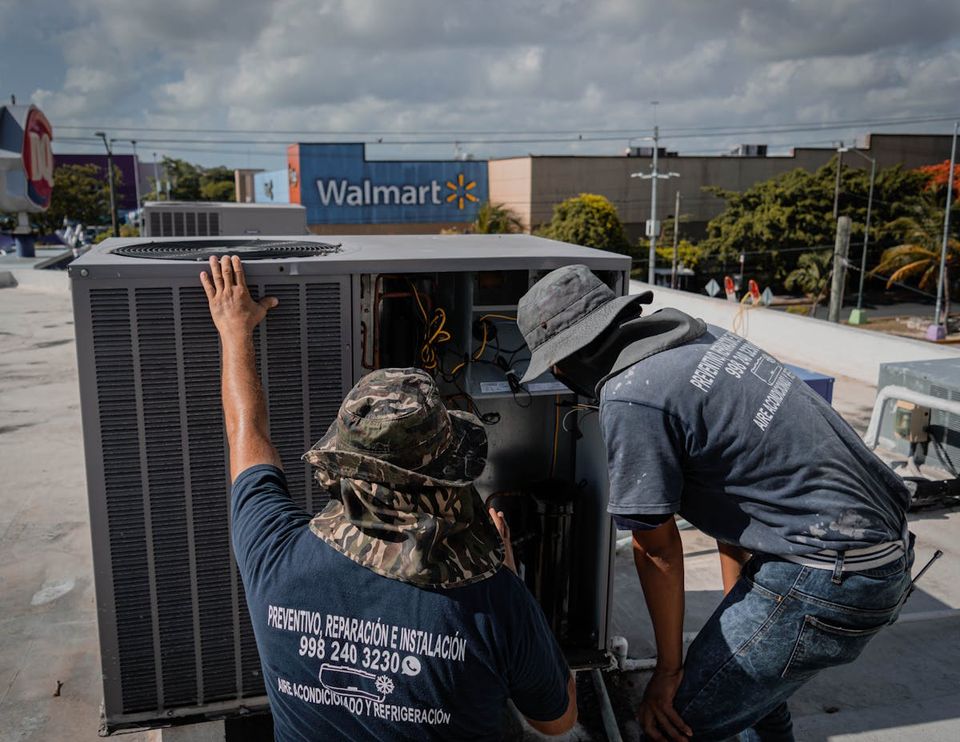
HVAC Maintenance Schedule and Energy Impact
Regular HVAC maintenance delivers measurable energy savings. According to ServiceTitan's HVAC statistics report, well-maintained systems reduce energy usage by 5% to 15%, while neglected systems lose efficiency progressively each year.
| Maintenance Task | Frequency | DIY or Pro | Est. Cost | Energy Impact |
|---|---|---|---|---|
| Replace air filter | Every 1-3 months | DIY | $15-$40 each | Up to 15% energy savings with clean filter |
| Spring A/C tune-up | Annually (March-April) | Professional | $100-$200 | Maintains rated SEER efficiency |
| Fall heating tune-up | Annually (Sept-Oct) | Professional | $100-$200 | Maintains rated AFUE efficiency |
| Clean condenser coils | Annually | DIY or Pro | $0-$150 | Prevents 5-10% efficiency loss |
| Clean evaporator coils | Every 1-2 years | Professional | $100-$400 | Prevents restricted airflow |
| Check refrigerant levels | During tune-up | Professional | Included | Low charge = 20%+ efficiency loss |
| Inspect ductwork | Every 3-5 years | Professional | $200-$400 | Leaky ducts waste 20-30% of airflow |
| Clean air ducts | Every 3-5 years | Professional | $300-$600 | Improves air quality and flow |
The National Air Duct Cleaners Association (NADCA) reports that post-cleaning HVAC systems deliver 10% to 46% more airflow than uncleaned systems. Documenting each of these tasks in your HVAC maintenance log template creates a verifiable record of system care.
Why HVAC Documentation Matters More Than Other Systems
HVAC systems represent a unique documentation challenge because they are both the most expensive system to replace and the most warranty-dependent.
Replacement costs are high. A complete HVAC system replacement (furnace, A/C, and ductwork modifications) ranges from $5,000 to $12,000 or more. According to data from Second Nature, every $1 of deferred HVAC maintenance becomes $4 in capital renewal costs. A well-documented service history helps you time replacement strategically rather than reactively.
Warranty terms are strict. Most HVAC manufacturer warranties require proof of annual professional maintenance. A ten-year parts warranty on a $3,000 compressor means nothing if you cannot show the maintenance records that keep that warranty valid. Your HVAC service history log is the primary evidence.
Buyers scrutinize HVAC age and condition. According to Anderson Heating and Air, a well-maintained HVAC system with documented service history positively influences buyer confidence and can prevent concessions during home sale negotiations. Homes with older, undocumented HVAC systems often face $3,000 to $5,000 in buyer-requested credits.
A homeowner in Phoenix kept a careful HVAC service history log for seven years, including biannual tune-ups, quarterly filter changes, and one compressor repair at year five. When he sold the home, his agent presented the service log as part of the property disclosure. The buyer's inspection revealed the HVAC system was 12 years old, which typically triggers a credit request. But the documented maintenance history eliminated the concern. The sale closed with zero HVAC-related concessions.
For tracking all your home systems together, see our home maintenance tracker. For warranty-specific documentation, see our appliance warranty tracker. If your roof system also needs attention, our roof maintenance record provides a similar inspection-focused template for your most expensive exterior component.

The Service Record That Pays You Back
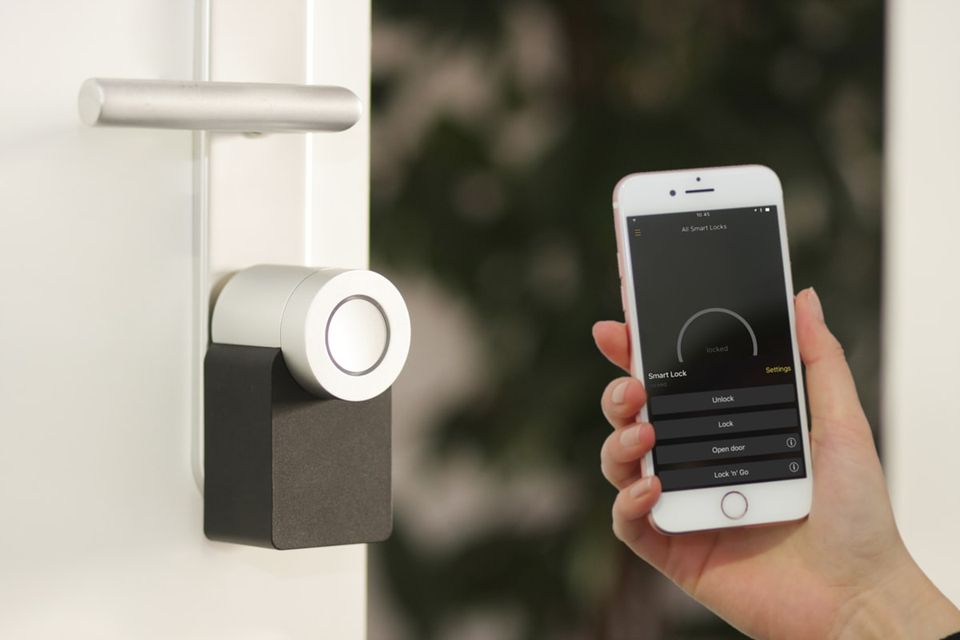
Every HVAC tune-up receipt, every filter purchase confirmation, and every repair invoice tells part of your system's story. Individually, they are just slips of paper. Collected in an HVAC service history log, they become financial evidence — proof of energy savings, warranty compliance, and responsible ownership. Start your log with your next filter change, and let every entry after that build the case for a system that runs longer, costs less, and holds its value.
Our free Home Maintenance Planner schedules filter changes and seasonal HVAC service so nothing slips.
Frequently Asked Questions
How often should I service my HVAC system?
Schedule professional tune-ups twice per year — once in spring for your cooling system and once in fall for your heating system. Replace air filters every one to three months depending on filter type, household size, and whether you have pets. These two tasks form the foundation of HVAC maintenance and should appear regularly in your service history log.
What system readings should I record in my HVAC log?
If your technician provides them, record superheat and subcooling temperatures for the A/C, CO readings for the furnace, static pressure measurements, and amp draws on major components. These readings create a performance baseline — if readings change significantly between tune-ups, it signals a developing issue. Not every homeowner records these, but those who do catch problems earlier.
Does HVAC maintenance documentation affect my home warranty?
Yes. Most manufacturer warranties include a maintenance clause requiring annual professional service. If you file a warranty claim and cannot provide service records, the manufacturer can deny coverage. A complete HVAC maintenance log template with dated entries and technician names is the documentation standard that warranty providers expect.
How long do HVAC records need to be kept?
Keep HVAC service records for the entire time you own the home, plus the duration of any active warranties. When selling, transfer the complete service history to the new owner — it supports the warranty transfer and gives the buyer confidence in the system's remaining lifespan. For tax purposes, keep records of HVAC replacements that qualify as capital improvements.
Can regular maintenance really extend my HVAC system's life?
According to Design Comfort, regular maintenance can extend the life of an HVAC system by up to 50%. A well-maintained system typically lasts 15 to 20 years, while a neglected system may need replacement after just 10 to 12 years. At replacement costs of $5,000 to $12,000, the difference between a 10-year and 20-year lifespan represents significant savings.
Verify Your HVAC Records With Tamper-Proof Documentation
Real Estate Ledger gives your HVAC service history log the weight of verified evidence. Upload tune-up invoices, filter purchase receipts, and inspection reports — AI organizes everything by date and service type. Every document receives tamper-proof Digital Evidence, creating a manufacturer-grade maintenance record that warranty providers, insurers, and buyers can verify independently. Free for up to 10 properties.
Get started freeRelated Templates
Water Heater Service Record: Extend Your Unit's Life With Documented Maintenance
Free water heater service record template to track flushing, anode rod replacement, and warranty details. Includes maintenance schedule to double your unit's lifespan.
4 min readRoof Maintenance Record: Track Inspections, Repairs, and Warranty Coverage
Free roof maintenance record template to track inspections, repairs, and warranty claims. Includes lifespan data by roofing material and seasonal inspection checklist.
4 min readHome Vendor Management Tracker: Keep Every Contractor on Record
Free contractor contact list template to track home service providers, licenses, insurance, and job history. Printable vendor management tracker for homeowners.
5 min readSprinkler System Maintenance Log Template
Track sprinkler inspections, winterization, and repairs with this free maintenance log template. Prevent freeze damage with documented seasonal care.
6 min read