Water Heater Service Record: Extend Your Unit's Life With Documented Maintenance
Free water heater service record template to track flushing, anode rod replacement, and warranty details. Includes maintenance schedule to double your unit's lifespan.
By the Real Estate Ledger Team
A tank water heater lasts 10 to 15 years with proper maintenance — but without it, the tank can rust out and fail before reaching the 10-year mark, according to Rheem. The two maintenance tasks that matter most, annual tank flushing and anode rod replacement every three to five years, cost $100 to $300 combined. Skipping them leads to premature failure that costs $1,200 to $3,500 for a full replacement, not including potential water damage. A water heater service record tracks these critical maintenance events and ensures you have the documentation to support warranty claims.
This template covers both tank and tankless water heaters, with a system profile for recording unit details and a chronological service log for every maintenance event.
Water Heater Service Record Template
Unit Profile
| Field | Details |
|---|---|
| Type | e.g., Tank (gas), Tank (electric), Tankless (gas), Tankless (electric), Heat pump |
| Manufacturer | e.g., Rheem |
| Model Number | e.g., XG50T06EC36U1 |
| Serial Number | e.g., RHTW5021A12345 |
| Tank Capacity | e.g., 50 gallons (N/A for tankless) |
| Energy Factor / UEF | e.g., 0.70 UEF |
| Installation Date | e.g., 04/2021 |
| Installer | e.g., Johnson Plumbing |
| Purchase Price | e.g., $1,450 installed |
| Manufacturer Warranty | e.g., 6-year tank, 6-year parts |
| Extended Warranty | e.g., None |
| Anode Rod Type | e.g., Magnesium (factory) |
| Water Hardness (local) | e.g., 12 gpg (hard) |
| Location | e.g., Garage |
Service Log
| Date | Service Type | Description | Performed By | Cost | Parts / Materials | Observations | Next Due | Receipt Ref |
|---|---|---|---|---|---|---|---|---|
| 04/15/2025 | Flush | Drained tank, flushed sediment (approx. 1 gallon debris) | Self | $0 | Garden hose | Heavy sediment, took 3 cycles | 04/15/2026 | — |
| 04/15/2025 | Anode inspection | Checked anode rod condition | Self | $0 | None | ~40% depleted, replace next year | 04/15/2026 | Photo saved |
| 10/01/2025 | T&P valve test | Tested temperature & pressure relief valve | Self | $0 | None | Valve released and reseated properly | 04/01/2026 | — |
| 04/10/2026 | Flush + Anode | Drained tank, replaced anode rod (magnesium) | Johnson Plumbing | $185 | Magnesium anode rod | Old rod was 60% depleted | 04/10/2027 | INV-2287 |
Service types:
- Flush: draining tank to remove sediment buildup
- Anode inspection/replacement: checking or replacing the sacrificial anode rod
- T&P valve test: testing the temperature and pressure relief valve
- Thermostat adjustment: modifying temperature settings
- Repair: fixing a malfunction (leaks, ignition issues, element failure)
- Descale: removing mineral buildup (especially for tankless units)
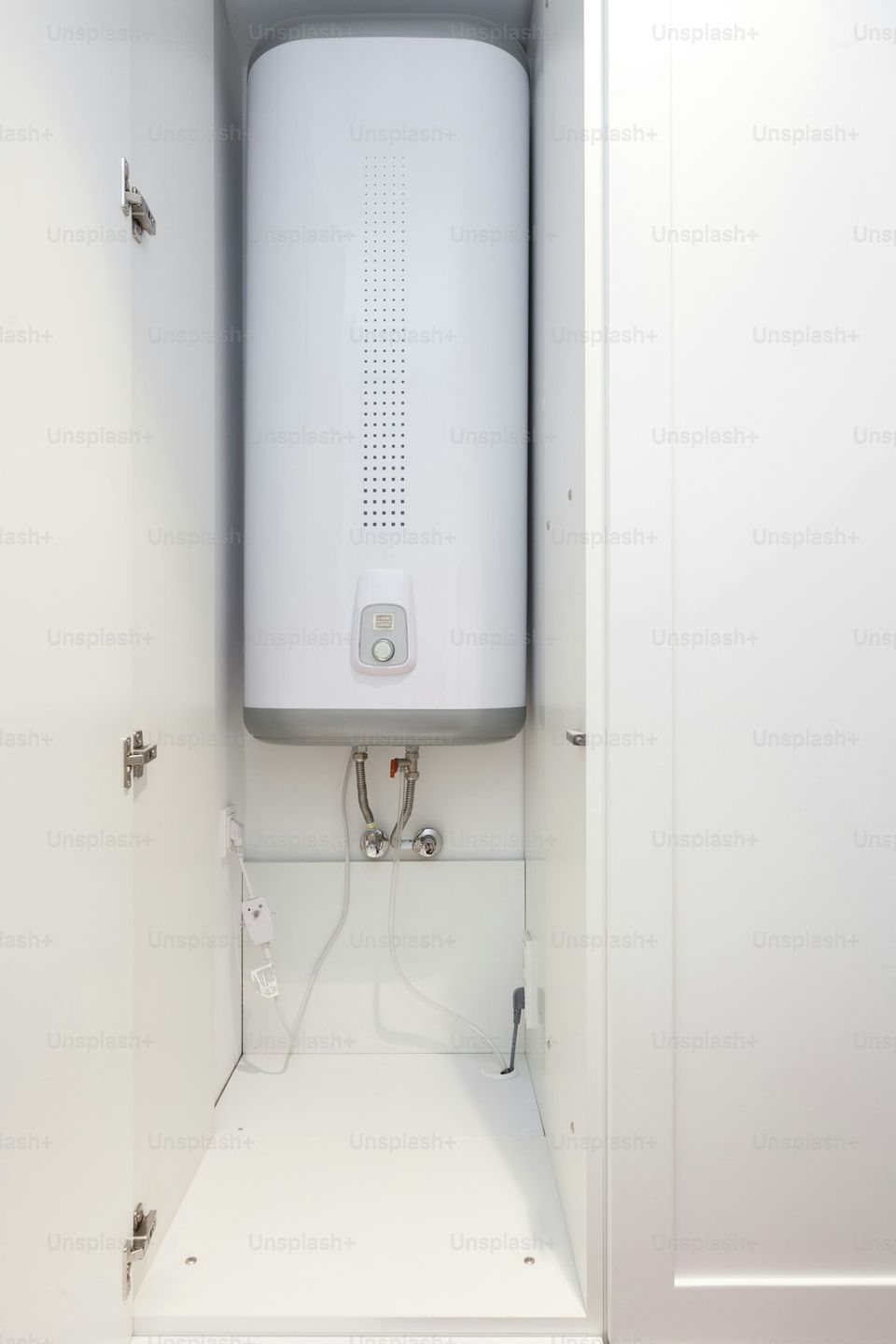
Water Heater Maintenance Schedule by Type
Maintenance needs vary between tank and tankless models. This schedule is based on manufacturer recommendations from Rheem and Bob Vila.
| Task | Tank Water Heater | Tankless Water Heater | Why It Matters |
|---|---|---|---|
| Flush sediment | Every 6-12 months | N/A | Sediment insulates heating element, reduces efficiency 10-25% |
| Descale (vinegar flush) | N/A | Annually | Mineral buildup restricts flow and reduces heat transfer |
| Inspect anode rod | Annually | N/A | Depleted rod = tank corrosion begins |
| Replace anode rod | Every 3-5 years | N/A | Extends tank life by 5+ years |
| Test T&P relief valve | Every 6-12 months | Annually | Safety device — prevents tank overpressure |
| Check for leaks | Monthly (visual) | Monthly (visual) | Early detection prevents water damage |
| Inspect venting (gas) | Annually | Annually | Ensures safe combustion gas exhaust |
| Check pilot/ignition | Annually | Annually | Ensures reliable start-up |
| Expected lifespan | 10-15 years | 20+ years | With proper maintenance |
Water hardness significantly affects maintenance frequency. If your local water is above 10 grains per gallon (gpg), flush your tank every six months instead of annually and inspect the anode rod more frequently. Hard water accelerates sediment buildup and anode depletion. According to the EPA, mineral-heavy water sources are common across much of the United States, making local water quality testing an important first step before setting your maintenance schedule.
The Anode Rod: Your Water Heater's Most Important Part
The sacrificial anode rod is a metal rod (usually magnesium or aluminum) suspended inside the tank. Its job is to attract corrosive elements in the water, including minerals, dissolved metals, and oxygen, so they attack the rod instead of the tank walls.
According to Service Champions, a typical anode rod lasts three to five years before it is depleted. Once it is gone, the corrosive elements begin eating through the tank lining. At that point, no amount of maintenance can reverse the damage.
Anode rod replacement costs:
- DIY: $20-$50 for the rod (plus a 1-1/16" socket wrench)
- Professional: $150-$300 including labor
Tank replacement costs:
- Gas tank water heater: $1,200-$2,500 installed
- Electric tank water heater: $1,000-$2,000 installed
- Tankless (gas): $2,500-$5,000 installed
The math is clear: a $50 anode rod every three to five years protects a $1,500 to $3,000 investment. Record every anode inspection and replacement in your water heater service record to track depletion rate and plan replacements before the rod fails completely.
A homeowner in Scottsdale with extremely hard water (18 gpg) started tracking his anode rod condition annually after reading manufacturer recommendations. His service record showed the rod reaching 50% depletion after just 18 months, far faster than the typical 3-year expectation. By switching to a powered anode rod ($100, no depletion) and logging the upgrade, he extended his water heater's projected lifespan from 10 years to an estimated 15+, saving roughly $1,800 in avoided early replacement.
For tracking your complete plumbing system, see our plumbing maintenance log. For broader home system documentation, check our home maintenance log template. If you want to track all your appliances in a single system, our appliance maintenance record template includes water heaters alongside every other major unit.

Small Tasks, Significant Consequences
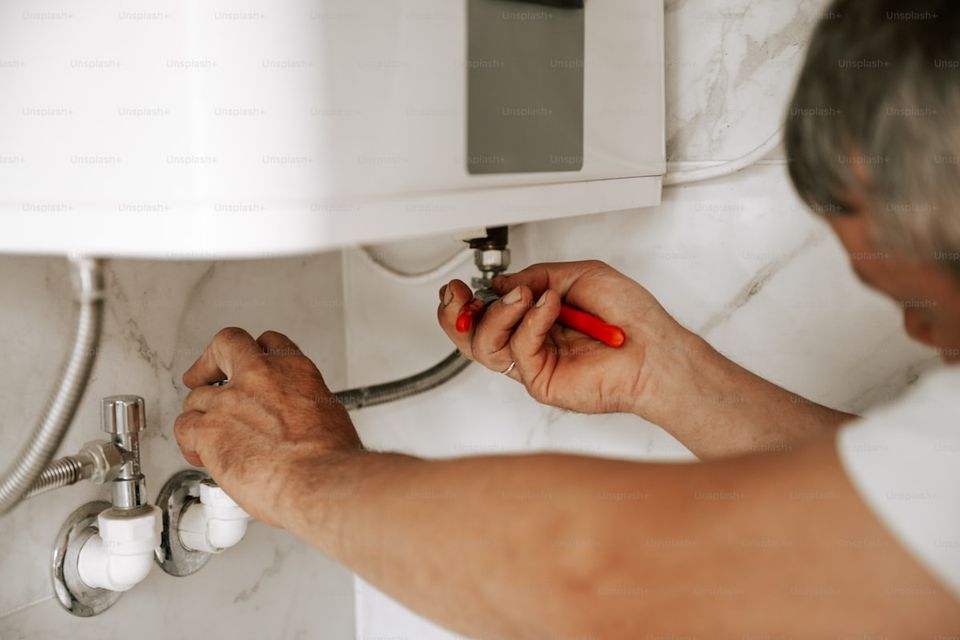
A water heater sits quietly in a basement, garage, or utility closet, doing its job without attention until it fails. The homeowners who avoid the $1,500 to $3,500 surprise replacement are the ones who spend 30 minutes once a year on a flush and an anode check — and two minutes logging it in a water heater service record. That simple documentation habit is the difference between a system that lasts a decade and one that lasts nearly two.
Our free Home Maintenance Planner reminds you to flush the tank and check the anode rod on schedule.
Frequently Asked Questions
How often should I flush my water heater?
Most manufacturers recommend flushing a tank water heater every 6 to 12 months to remove sediment buildup. If you have hard water (above 10 gpg), flush every 6 months. Sediment buildup insulates the heating element from the water, forcing the unit to work harder and reducing efficiency by 10% to 25%. Flushing costs $0 for DIY or $100 to $200 for professional service.
How do I know when my anode rod needs replacing?
Inspect the anode rod annually by unscrewing it from the top of the tank. If the rod is less than half its original diameter or coated in calcium, it needs replacement. Some signs of a depleted rod include rusty or discolored hot water, a metallic taste, and popping or rumbling sounds from the tank. According to Bob Vila, replacement every 3 to 5 years is the standard recommendation.
Does a water heater service record affect my warranty?
Yes. Most manufacturer warranties require evidence of proper maintenance, including regular flushing and anode rod inspection. If you file a warranty claim for a failed tank and cannot show maintenance records, the manufacturer can deny coverage under a neglect clause. A water heater warranty record with dated service entries and receipt references provides the documentation needed to keep your warranty valid.
Can I maintain a tankless water heater the same way?
Tankless water heaters require different maintenance. Instead of flushing sediment from a tank, you descale the unit annually by running a vinegar solution through the heat exchanger. There is no anode rod to replace. However, you should still test the pressure relief valve, inspect venting, and check for error codes. Document each service event in your record just as you would for a tank unit.
Document Your Water Heater History With Verified Records
Real Estate Ledger takes your water heater service record from a personal log to a verified maintenance history. Upload flush receipts, anode rod replacement invoices, and inspection photos — AI categorizes each entry by service type and date. Every document is fingerprinted with tamper-proof Digital Evidence, giving warranty providers and home buyers confidence that your records are authentic. Free for up to 10 properties.
Get started freeRelated Templates
Roof Maintenance Record: Track Inspections, Repairs, and Warranty Coverage
Free roof maintenance record template to track inspections, repairs, and warranty claims. Includes lifespan data by roofing material and seasonal inspection checklist.
4 min readPlumbing Maintenance Log: Prevent Costly Water Damage With Documented Care
Free plumbing maintenance log to track pipe inspections, leak repairs, water heater service, and fixture replacements. Includes pipe lifespan data and prevention tips.
4 min readHVAC Service History Log: Track Every Tune-Up, Repair, and Filter Change
Free HVAC service history log template to track tune-ups, repairs, filter changes, and warranty claims. Includes maintenance schedule and energy savings data.
4 min readHome Vendor Management Tracker: Keep Every Contractor on Record
Free contractor contact list template to track home service providers, licenses, insurance, and job history. Printable vendor management tracker for homeowners.
5 min read