Plumbing Maintenance Log: Prevent Costly Water Damage With Documented Care
Free plumbing maintenance log to track pipe inspections, leak repairs, water heater service, and fixture replacements. Includes pipe lifespan data and prevention tips.
By the Real Estate Ledger Team
Water damage is the most common — and most expensive — homeowner insurance claim in the United States. About 14,000 people experience some form of home water damage daily, and the average claim payout reaches $13,954, according to ConsumerAffairs. The leading cause is not storms or flooding — it is plumbing supply line failures, which account for nearly 48% of all interior water damage incidents. A plumbing maintenance log is the first defense against these preventable failures, creating a documented record of inspections, repairs, and system condition that keeps your plumbing healthy and your insurance claims credible.
This template covers the full plumbing system: supply lines, drain lines, fixtures, water heater, sump pump, and exterior components. Use it to track every inspection, repair, and maintenance task across your home's water infrastructure.
Plumbing Maintenance Log Template
Plumbing System Overview
Complete this profile to establish your baseline. Knowing your pipe materials and ages helps predict when problems are most likely to develop.
| Component | Material | Approximate Age | Condition | Last Inspected | Notes |
|---|---|---|---|---|---|
| Main supply line | e.g., Copper | e.g., 22 years | Good | 03/2026 | No visible corrosion |
| Interior supply lines | e.g., PEX/Copper mix | e.g., 10 years (PEX), 22 years (copper) | Good | 03/2026 | PEX added during 2016 renovation |
| Drain/waste lines | e.g., PVC | e.g., 22 years | Fair | 03/2026 | Slow drain in guest bath |
| Water heater | e.g., Gas tank, 50 gal | e.g., 5 years | Good | 04/2026 | See water heater service record |
| Sump pump | e.g., Submersible, 1/3 HP | e.g., 4 years | Good | 03/2026 | Battery backup installed |
| Exterior hose bibs | e.g., Frost-free | e.g., 10 years | Good | 04/2026 | 2 units, front and rear |
| Water softener | e.g., Fleck 5600SXT | e.g., 3 years | Good | 01/2026 | Salt level checked monthly |
Service and Inspection Log
| Date | Area / Component | Service Type | Description | Performed By | Cost | Parts / Materials | Follow-Up | Receipt Ref |
|---|---|---|---|---|---|---|---|---|
| 03/15/2026 | All fixtures | Inspection | Checked all faucets, toilets, and visible pipes for leaks | Self | $0 | None | None needed | — |
| 03/15/2026 | Guest bath drain | Repair | Snaked drain, removed hair clog | Self | $0 | Drain snake | Monitor 30 days | — |
| 04/10/2026 | Water heater | Maintenance | Annual flush, anode rod inspection | Johnson Plumbing | $185 | None | Anode replacement due 2027 | INV-2287 |
| 04/10/2026 | Sump pump | Test | Poured water to trigger float switch, tested battery backup | Self | $0 | None | Next test: 07/2026 | — |
| 01/20/2026 | Kitchen supply | Repair | Replaced corroded shut-off valve under sink | Quick Fix Plumbing | $220 | 1/2" ball valve | None | INV-8811 |
Service types:
- Inspection: visual or hands-on check for leaks, corrosion, or damage
- Repair: fixing a failure or discovered issue
- Maintenance: scheduled preventive tasks (flushing, cleaning, testing)
- Replacement: swapping out a component (fixture, valve, pipe section)
- Emergency: unplanned urgent repair (burst pipe, major leak, backup)
Pipe Lifespan Reference: When to Watch for Failures
Different pipe materials have dramatically different lifespans. Knowing what is in your walls helps you anticipate problems. This data is sourced from InterNACHI's life expectancy chart.
| Pipe Material | Expected Lifespan | Common Issues | Watch For |
|---|---|---|---|
| Copper | 50-70 years | Pinhole leaks, joint corrosion | Green patina on joints, water stains |
| PEX | 40-50 years | Fitting failures (rare) | Leaks at connection points |
| PVC (drain) | 50-80 years | Joint separation, cracking | Slow drains, visible cracks |
| CPVC (supply) | 20-25 years | Brittleness with age | Cracking near hot water connections |
| Galvanized Steel | 20-50 years | Interior rust, flow restriction | Low water pressure, rusty water |
| Cast Iron (drain) | 75-100 years | Interior corrosion, joint failure | Slow drains, sewage odor |
| Polybutylene (PB) | 10-15 years | Brittle fracture, widespread failures | Replace if present — known defective |
| Lead | 100+ years | Health hazard | Replace if present — toxic |
If your home was built between 1978 and 1995, check for polybutylene (gray, flexible pipes). According to plumbing industry data, polybutylene systems have a high failure rate and most insurers will not cover homes with PB piping without a replacement plan. Finding PB pipes during a plumbing inspection is a critical item to log and address immediately.
Quarterly Plumbing Inspection Checklist
Run through this checklist every three months and log results in your plumbing maintenance log.
Kitchen:
- Check under sink for moisture, drips, or corrosion on supply valves
- Run disposal and listen for unusual sounds
- Verify dishwasher drain hose is secure
Bathrooms:
- Inspect toilet base for rocking or moisture (indicates wax ring failure)
- Check under vanity for drips
- Test shower and tub drains for slow flow
- Inspect caulk around tub and shower
Utility / Basement:
- Test sump pump (pour water to trigger float switch)
- Inspect water heater for drips at base and connections
- Check washing machine hoses for bulging or cracking
- Look for water stains on walls and ceiling near plumbing runs
Exterior:
- Test hose bibs for proper shut-off
- Inspect visible clean-out access points
- Check irrigation connections for leaks
According to Guardian Service, about 65% of plumbing failures result from deterioration or freezing, both of which regular inspections can catch early. Logging each quarterly check, even when you find nothing, builds the consistent inspection record that insurers look for after a claim.
A homeowner in Atlanta logged her quarterly plumbing inspections religiously for three years. During a winter check, she noted a small damp spot under the upstairs bathroom vanity, something she might have missed without the structured checklist prompting her to look. The plumber found a hairline crack in a CPVC fitting, repaired it for $180, and noted it was weeks from becoming a burst that could have caused $10,000 or more in ceiling and floor damage. Her plumbing maintenance log entry became the record that documented the catch.
For water heater-specific tracking with detailed flush and anode rod records, see our water heater service record. For the complete picture of home documentation, check out our how to keep records for your house guide. If you are tracking repairs across all your home systems, our home repair log template provides a broader framework that complements this plumbing-specific log. For electrical system tracking (another critical behind-the-walls system), see our electrical repair history record.

The Invisible System That Costs the Most When It Fails
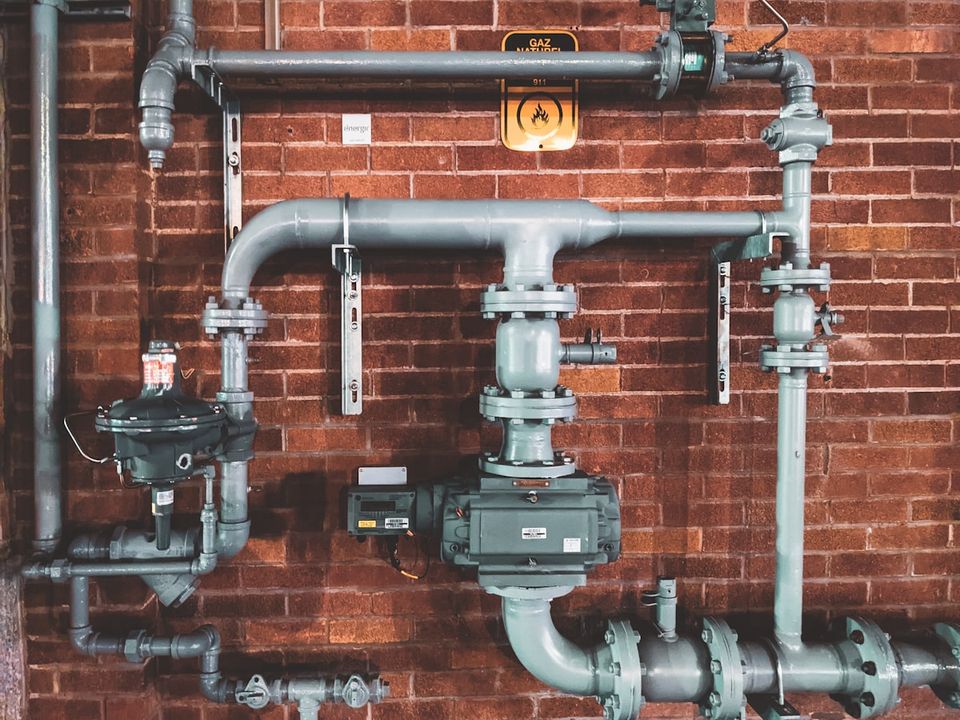
Plumbing runs behind walls, under floors, and through spaces you never see. Until something goes wrong. The homeowners who avoid the $13,000 average water damage claim are not the ones with newer homes or better luck. They are the ones who open the cabinet under the sink every three months, check the sump pump every quarter, and write it down. A plumbing maintenance log takes the invisible and makes it visible, one entry at a time.
Our free Home Maintenance Planner folds routine plumbing checks into a personalized seasonal schedule.
Frequently Asked Questions
How often should I have my plumbing professionally inspected?
Most plumbing professionals recommend a full inspection every two years for homes under 20 years old, and annually for older homes. Between professional inspections, conduct your own quarterly checks using the checklist above. If your home has galvanized steel or polybutylene pipes, annual professional inspections are strongly recommended regardless of home age.
What is the most important plumbing maintenance task?
Preventing supply line failures — the leading cause of interior water damage. This means inspecting visible supply lines quarterly for corrosion or moisture, replacing washing machine hoses every five years (or switching to braided stainless steel), and addressing low water pressure promptly, as it often signals buildup or corrosion inside pipes.
Can a plumbing maintenance log help with insurance claims?
Yes. Insurance providers evaluate whether homeowners maintained their plumbing responsibly when processing water damage claims. A log showing regular inspections and timely repairs demonstrates that the damage was sudden and accidental, not the result of neglect. According to GEICO, claims resulting from negligence or lack of maintenance are typically excluded from coverage.
What plumbing records should I keep when selling my home?
Keep records of all major plumbing repairs, pipe replacements or upgrades, water heater service history, and any professional inspection reports. Buyers and inspectors want to know the pipe materials, ages, and condition. A well-documented plumbing history reduces the likelihood of inspection-related credit requests and demonstrates responsible ownership.
Turn Your Plumbing Records Into Verified Protection
Real Estate Ledger transforms your plumbing maintenance log into an insurance-ready, tamper-proof record. Upload inspection notes, repair invoices, and plumber reports — AI categorizes each document by component and date. Every entry is backed by Digital Evidence verification, so when you file a claim or sell your home, your plumbing history carries proof of authenticity that insurers, buyers, and inspectors can trust. Free for up to 10 properties.
Get started freeRelated Templates
Water Heater Service Record: Extend Your Unit's Life With Documented Maintenance
Free water heater service record template to track flushing, anode rod replacement, and warranty details. Includes maintenance schedule to double your unit's lifespan.
4 min readGutter Maintenance Log Template
Track gutter cleaning, inspections, and repairs with this free maintenance log template. Prevent costly water damage with a documented gutter service history.
5 min readHome Vendor Management Tracker: Keep Every Contractor on Record
Free contractor contact list template to track home service providers, licenses, insurance, and job history. Printable vendor management tracker for homeowners.
5 min readSprinkler System Maintenance Log Template
Track sprinkler inspections, winterization, and repairs with this free maintenance log template. Prevent freeze damage with documented seasonal care.
6 min read