Move-In Move-Out Property Condition Report: A Room-by-Room Template
Free move-in move-out property condition report template for landlords and tenants. Printable checklist to document room-by-room property conditions.
By the Real Estate Ledger Team
Security deposit disputes are among the most common landlord-tenant conflicts in the United States. According to Gothamist's reporting on New York housing complaints, nearly 5,000 New York renters filed complaints for missing security deposits in 2024 alone — and that is just one city. The root of most disputes is the same: no clear, documented record of the property's condition at move-in to compare against its condition at move-out. A move-in move-out property condition report eliminates this ambiguity by creating a room-by-room record that both parties sign, establishing a baseline that protects landlords from false damage claims and tenants from unfair deductions.
This rental property condition report template is designed for both landlords and tenants to complete together during each inspection, with space for photos, notes, and signatures.
The Property Condition Report Template
Complete this property condition checklist template for every room during the move-in inspection, then repeat the process at move-out. Compare the two reports side by side to identify legitimate damage versus normal wear and tear.
| Room / Area | Item | Move-In Condition | Move-In Notes | Move-Out Condition | Move-Out Notes | Damage? (Y/N) | Estimated Cost |
|---|---|---|---|---|---|---|---|
| Living Room | Walls / Paint | ||||||
| Flooring | |||||||
| Windows / Blinds | |||||||
| Light Fixtures | |||||||
| Outlets / Switches | |||||||
| Kitchen | Countertops | ||||||
| Cabinets / Drawers | |||||||
| Sink / Faucet | |||||||
| Appliances | |||||||
| Flooring | |||||||
| Bathroom | Toilet | ||||||
| Tub / Shower | |||||||
| Sink / Vanity | |||||||
| Mirrors / Medicine Cabinet | |||||||
| Tile / Grout | |||||||
| Bedroom 1 | Walls / Paint | ||||||
| Flooring / Carpet | |||||||
| Closet Doors / Shelves | |||||||
| Windows / Blinds | |||||||
| Exterior | Front Door / Locks | ||||||
| Patio / Balcony | |||||||
| Landscaping | |||||||
| Garage / Parking |
Condition Rating Scale: Excellent / Good / Fair / Poor / Damaged
Signatures:
- Landlord / Property Manager: _____________ Date: _______
- Tenant: _____________ Date: _______
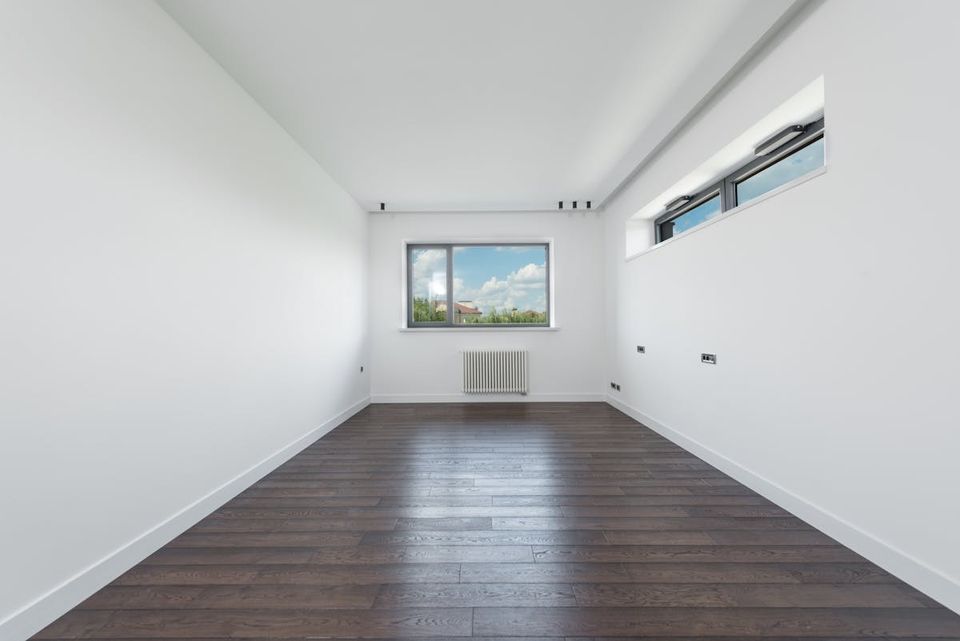
Damage vs. Normal Wear and Tear: What the Law Says
Landlords cannot deduct from security deposits for normal wear and tear — only for tenant-caused damage beyond reasonable use. This distinction determines whether a landlord can legally withhold from a security deposit, and most state laws follow similar principles though specific definitions vary. According to California Courts' security deposit guide, the line is drawn as follows:
| Normal Wear and Tear | Tenant-Caused Damage |
|---|---|
| Small nail holes from hanging pictures | Large holes in walls |
| Faded paint from sunlight | Crayon, marker, or unapproved paint |
| Worn carpet from foot traffic | Stains, burns, or pet damage to carpet |
| Minor scuffs on hardwood floors | Deep gouges or water damage to flooring |
| Loose door handles from normal use | Broken doors or removed hardware |
| Faded or slightly dirty blinds | Bent, broken, or missing blinds |
As Nolo's landlord-tenant legal guide notes, landlords in every state bear the burden of proving that deductions are for damage beyond normal wear and tear, not the other way around. Your property condition checklist provides the evidence to make this distinction objective rather than subjective. When both the move-in and move-out reports are completed with photos and signed by both parties, the documentation speaks for itself.
A landlord managing a four-unit property in Austin used condition reports with timestamped photos for every turnover. When a departing tenant disputed $1,800 in deductions for carpet replacement, the landlord presented the move-in report showing the carpet in "excellent" condition alongside move-out photos documenting multiple pet stains. The dispute was resolved without court involvement, saving both parties thousands in legal costs.
A tenant in Portland used her signed move-in condition report to recover her full $2,400 security deposit after a landlord attempted to charge $1,100 for pre-existing damage (a cracked bathroom tile and stained kitchen countertop that were both documented in the original report with photographs). When she presented the move-in evidence, the landlord released the full deposit within five days.
How to Conduct a Thorough Move-In Inspection
The quality of your condition report depends on how methodically you conduct the inspection. Follow this process for each room:
- Work top to bottom: Start with ceilings and light fixtures, move to walls, then windows, then flooring. This systematic approach prevents missed items.
- Test everything: Flip every switch, run every faucet, open every cabinet, and test every appliance. Record anything that does not function correctly.
- Photograph before touching: Take wide-angle photos of each room before moving any belongings, then close-up shots of any existing damage.
- Note serial numbers: Record appliance serial numbers and model numbers on the report. If an appliance fails during the tenancy, this establishes which unit was present at move-in. Our appliance serial number tracker provides a dedicated template for this.
- Both parties present: Never conduct the inspection alone. Having both landlord and tenant present, and signing the completed report, prevents later disputes about what was or was not documented.
For a broader framework on what documentation to collect at move-in, see our move-in documentation checklist. For landlords seeking a full approach to organizing all rental property records, our rental property document organization guide covers the complete scope of documentation best practices.

Maintaining the Property Between Inspections
A condition report captures a snapshot, but the condition of a rental property changes continuously. Landlords should schedule maintenance inspections at least annually, and tenants should report issues promptly to prevent minor problems from becoming major damage. According to the U.S. Census Bureau, homes built before 1960 cost an average of 0.8% of their value annually in maintenance, while newer construction averages 0.2%.
| Maintenance Item | Frequency | Who Is Responsible | Typical Annual Cost |
|---|---|---|---|
| HVAC filter replacement | Monthly-Quarterly | Tenant (typically) | $60-$200 |
| Smoke detector batteries | Every 6 months | Tenant or Landlord | $20-$40 |
| Gutter cleaning | Twice yearly | Landlord | $150-$300 |
| Pest control | Quarterly | Landlord (varies by lease) | $400-$600 |
| Appliance servicing | Annually | Landlord | $200-$500 |
| Exterior paint / siding | Every 5-10 years | Landlord | $3,000-$8,000 |
Documenting completed maintenance in your records strengthens your position if a tenant claims that damage resulted from deferred maintenance rather than their actions.

Legal Requirements for Security Deposit Documentation
Deposit handling requirements vary significantly by state, and failure to follow them can result in penalties. In some cases, the landlord must return the full deposit regardless of actual damage. Here are the key requirements for five high-population states:
| State | Deposit Return Deadline | Condition Report Required? | Penalty for Non-Compliance |
|---|---|---|---|
| California | 21 days after move-out | Not mandated, but strongly recommended | Up to 2x deposit in bad faith cases |
| Texas | 30 days after move-out | Not mandated | Landlord liable for 3x wrongful withholding + $100 |
| New York | 14 days after move-out | Yes, required for rent-stabilized units | Full deposit refund if not provided on time |
| Florida | 15-30 days (depends on dispute) | Not mandated | Forfeiture of right to claim against deposit |
| Washington | 21 days after move-out | Yes, required at move-in and move-out | Up to 2x deposit if landlord acts in bad faith |
Always check your state's specific landlord-tenant statutes for current requirements. For landlords managing multiple properties, our rental property documentation checklist covers the full scope of records required for each unit.
The Report That Prevents the Dispute
Most security deposit conflicts could be avoided entirely with one simple practice: a thorough, signed condition report completed at both move-in and move-out. The template costs nothing and takes less than an hour per inspection, yet it prevents the legal fees, lost time, and damaged relationships that come with deposit disputes. Whether you are a landlord protecting your investment or a tenant protecting your deposit, the condition report is the single most important document in the rental relationship.
Frequently Asked Questions
Is a move-in condition report legally required?
Requirements vary by state. Some states mandate a written condition report at move-in and move-out, while others only require it if the landlord collects a security deposit. Regardless of legal requirements, completing one protects both parties and is considered a best practice by every major landlord association. Always check your state's landlord-tenant statutes for specific requirements.
What happens if a tenant refuses to sign the condition report?
If a tenant refuses to sign, note their refusal on the report with the date, complete the inspection with a witness present, and photograph or video-record the entire process. Send the completed report to the tenant via certified mail or email with delivery confirmation. Most courts will accept a documented good-faith effort to complete the report even without a tenant signature.
How should I handle pre-existing damage at move-in?
Document every instance of pre-existing damage on the condition report with specific descriptions ("3-inch crack in bathroom tile, second row from wall") and photographs. Both parties should initial next to each pre-existing damage note. This protects the tenant from being charged for damage they did not cause and protects the landlord by establishing that the damage was acknowledged.
Can I use photos instead of a written condition report?
Photos supplement a written report but should not replace one. A written report provides structured, comparable data — the same items evaluated at move-in and move-out using the same rating scale. Photos provide visual evidence that supports the written assessment. The strongest documentation combines both.
Digitize Your Condition Reports with Verified Timestamps
Real Estate Ledger stores condition reports, inspection photos, and maintenance records with Digital Evidence that timestamps and verifies every upload — so your documentation holds up in any dispute. Free for up to 10 properties.
Get started freeRelated Templates
Property Expense Tracker: A Template for Rental and Investment Properties
Free property expense tracker for rental and investment properties. Printable template to log expenses, track deductions, and prepare for IRS Schedule E filing.
5 min readWater Heater Service Record: Extend Your Unit's Life With Documented Maintenance
Free water heater service record template to track flushing, anode rod replacement, and warranty details. Includes maintenance schedule to double your unit's lifespan.
4 min readHome Vendor Management Tracker: Keep Every Contractor on Record
Free contractor contact list template to track home service providers, licenses, insurance, and job history. Printable vendor management tracker for homeowners.
5 min readSprinkler System Maintenance Log Template
Track sprinkler inspections, winterization, and repairs with this free maintenance log template. Prevent freeze damage with documented seasonal care.
6 min read