Rental Property Documentation Checklist: Every Record Landlords Need to Keep
Complete rental property documentation checklist for landlords. Covers leases, inspection reports, maintenance records, tenant communications, and tax documents to keep organized.
By the Real Estate Ledger Team
Managing rental properties without organized records is like running a business without a filing system. According to TransUnion SmartMove, the average landlord spends 4 to 8 hours per month on administrative tasks for each property. A significant portion of that time goes to searching for documents, recreating lost records, and responding to requests from tenants, insurers, and tax professionals.
This rental property documentation checklist covers every record landlords need from acquisition through tenant management and eventual sale. The American Apartment Owners Association recommends that landlords retain rental property records to keep for a minimum of seven years, aligning with IRS audit windows. Whether you own one duplex or a portfolio of 20 units, these are the documents that protect your investment and simplify operations.
Property Ownership and Legal Documents
This section forms the foundation of any landlord document checklist. These records establish your legal right to own and rent the property. They rarely change, but losing them creates expensive problems.
| Document | Purpose | Update Frequency |
|---|---|---|
| Property deed | Proves ownership | At purchase or transfer |
| Title insurance policy | Protects against title claims | At purchase |
| Landlord insurance policy | Covers property damage and liability | Annual renewal |
| Umbrella liability policy | Extra liability protection | Annual renewal |
| Property tax records | Tax basis and payment history | Annual |
| Mortgage or loan documents | Financing terms | At origination or refinance |
| LLC operating agreement | Entity protection documentation | At formation or amendment |
| Local rental license or permit | Legal authorization to rent | Annual (varies by jurisdiction) |
| Lead paint disclosure (pre-1978) | Federal requirement for older homes | Each new tenancy |
If you are building a rental portfolio, our investment property acquisition checklist covers the due diligence documents needed before you close on each property.
Tenant-Specific Documents
Each tenancy generates its own set of records. These documents are your primary defense in disputes and your primary tool for smooth tenant management.
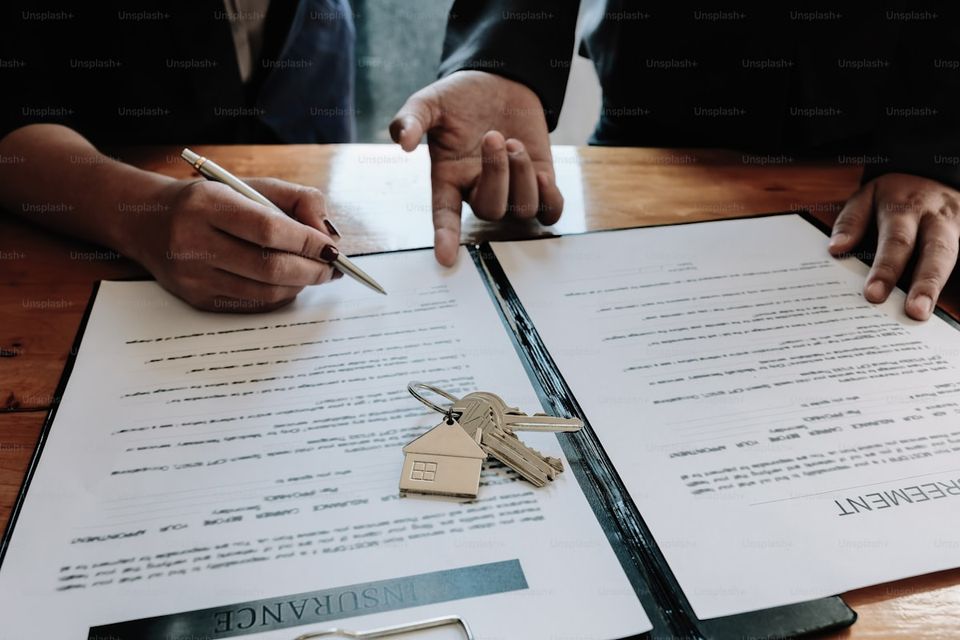
Lease agreement. The signed lease is the single most important landlord document. It should include the rent amount, payment terms, security deposit amount, maintenance responsibilities, pet policies, and renewal or termination procedures. Keep the signed original and a digital copy.
Move-in and move-out condition reports. Document every room with photos, notes, and the tenant's signature before and after each tenancy. These reports are your evidence for security deposit deductions. Scenarios like this play out in small claims courts regularly: a landlord in Denver had a tenant dispute $2,800 in damage deductions, but the landlord had only "before" photos and no signed condition report. Without a dated, signed move-out report, the judge awarded the tenant a full deposit refund. According to the Nolo landlord-tenant law guide, courts consistently favor tenants when landlords cannot produce written, signed condition reports.
Tenant application and screening records. Keep the rental application, consent for background and credit checks, and screening results. Fair housing laws require consistent documentation of your screening process. Retain these records for at least three years after the tenancy ends.
Rent payment history. Maintain a ledger or digital record of every payment: date received, amount, payment method, and any late fees. This record is essential for eviction proceedings, tax reporting, and portfolio performance analysis.
Maintenance requests and completion records. Log every maintenance request with the date reported, description of the issue, action taken, vendor used, cost, and completion date. This history demonstrates responsible property management and can reduce liability in negligence claims.
Financial and Tax Documents
Rental property owners face specific record-keeping requirements from the IRS. IRS Publication 527 requires landlords to track all income and expenses for each rental property separately.
Income records to keep:
- Rent payments received
- Late fee income
- Security deposits (and returns)
- Pet deposits or fees
- Parking or storage income
Expense records to keep:
- Mortgage interest statements (Form 1098)
- Property tax payments
- Insurance premiums
- Repair and maintenance costs with receipts
- Property management fees
- Advertising costs for vacancies
- Travel expenses related to property management
- Professional services (legal, accounting)
- Depreciation schedules
For example, a landlord with three rental properties generating $4,500 per month in combined rent can expect to file Schedule E with their tax return. Losing $500 in undocumented repair receipts per property means missing $1,500 in deductions annually. Over five years, that adds up to $7,500 in potential deductions gone. Keep every receipt.
Maintenance and Improvement Records
Maintenance documentation serves three purposes for landlords: it proves responsible ownership, it supports insurance claims, and it establishes cost basis for tax purposes.
| Record Type | What to Track | Why It Matters |
|---|---|---|
| Routine maintenance | HVAC filter changes, pest control, landscaping | Shows ongoing property care |
| Repairs | Plumbing fixes, electrical work, appliance repair | Expense deduction and liability protection |
| Capital improvements | New roof, kitchen renovation, flooring replacement | Adds to cost basis, reduces capital gains at sale |
| Vendor contacts and contracts | Name, license, insurance, contract terms | Quick access for emergencies and compliance |
| Inspection reports | Annual property inspections, pre-lease inspections | Condition documentation and code compliance |
For tracking maintenance across all your properties, our home maintenance log template provides a structured format, and our vendor management tracker keeps contractor contacts organized.
Insurance and Compliance Documents
Landlords need documentation beyond a standard homeowner's policy.
Landlord insurance policy covers the building structure, lost rental income during repairs, and liability. Keep the declarations page accessible for quick reference.
Tenant's renter's insurance confirmation protects you from claims against tenant belongings. If your lease requires renter's insurance, collect proof of coverage annually.
Local code compliance records vary by jurisdiction. Some cities require annual rental inspections, fire safety certifications, or energy efficiency disclosures. Check your local requirements and keep certificates on file.

For landlords managing their own rental document systems, our rental property document organization guide provides a complete framework. If you are adding properties to your portfolio, start with our investment property acquisition checklist to capture every document from day one. A move-in move-out condition report template standardizes the inspection process across all your units.
Frequently Asked Questions
What records should landlords keep for each rental property?
Keep the lease agreement, move-in and move-out condition reports with photos, all maintenance requests and completion records, rent payment history, security deposit documentation, insurance policies, property tax records, and any tenant communications related to property condition or disputes. The IRS requires retaining income and expense records for rental properties for at least three years after filing the related tax return.
How long should landlords retain rental property documents?
Retain lease agreements for seven years after the tenancy ends. Keep maintenance and repair records for the life of the property or the depreciation period, whichever is longer. Tax-related documents should be kept for at least three years after filing, though the IRS can audit up to six years back in some situations. Security deposit records should be kept until the deposit is fully returned and any dispute period has closed.
What documents protect landlords in tenant disputes?
The most protective documents are signed lease agreements, dated move-in and move-out condition reports with time-stamped photos, written maintenance request logs with resolution dates, rent payment receipts or ledger records, and any written communications about property condition. Tamper-proof timestamps on these records strengthen their evidentiary value in court.
Do landlords need separate documentation for each unit?
Yes. Each rental unit should have its own complete document file with a unit-specific lease, condition report, maintenance history, and tenant correspondence. Shared building documents like the property insurance policy, common area maintenance records, and building permits can be stored at the property level, but unit-level records must remain separate for legal and management clarity.
Organize Every Rental Property Document in One Platform
Real Estate Ledger was designed for property owners managing multiple units. Upload a lease, inspection report, or repair receipt, and AI categorization suggests the property, unit, and document type. Digital Evidence creates a tamper-proof verification for every approved document, which strengthens your position in tenant disputes, insurance claims, and tax audits. The free tier organizes up to 10 properties by property group, and role-based access lets you grant your property manager editing rights while keeping financial records visible only to you.
Get started freeRelated Checklists
HOA Board Transition Checklist: Protecting Association Records When Leadership Changes
Complete HOA board transition checklist for outgoing and incoming board members. Covers financials, vendor contracts, insurance, and governing documents.
6 min readSpring Home Maintenance Checklist: 14 Tasks That Pay for Themselves
Spring home maintenance checklist with sourced cost-of-neglect data for every task: gutters, AC tune-up, roof, dryer vent, and more. Free planner included.
11 min readFall Home Maintenance Checklist: 12 Tasks and What It Costs to Skip Each One
A fall home maintenance checklist with sourced cost-of-neglect data for every task. Twelve jobs, dollar figures, and a free planner to track them.
9 min readWinter Home Maintenance Checklist: 12 Tasks (and What Skipping Each One Actually Costs)
Winter home maintenance checklist with sourced cost-of-neglect data for each task. 12 jobs, repair price ranges, and a free planner you can save to your home.
9 min read