Sprinkler System Maintenance Log Template
Track sprinkler inspections, winterization, and repairs with this free maintenance log template. Prevent freeze damage with documented seasonal care.
By the Real Estate Ledger Team
Up to 38% of irrigation system failures in northern U.S. states are related to freeze damage, according to Wilcox Bros, citing Irrigation Association data. Systems that skip winterization face average repair costs of $425 to $1,200 per incident, while properly maintained systems reduce component failure risk by over 75% at spring startup. A sprinkler system maintenance log tracks every seasonal startup, mid-season adjustment, winterization, and repair so you can prevent the freeze damage that halves a system's lifespan and document the care that doubles it.
The financial case for a documented irrigation system service record extends beyond repairs. According to HomeAdvisor, a residential sprinkler system costs $3,000 to $8,000 to install, and a well-maintained system with a 20-year lifespan preserves that full investment. Without a service history, buyers have no way to assess whether the system has been winterized annually, whether heads and valves have been replaced on schedule, or whether the controller programming matches the landscape's actual watering needs. The EPA WaterSense program estimates that a properly maintained irrigation system uses 15% to 20% less water than a neglected one, translating to $200 to $500 in annual water savings for the average homeowner.
What to Track in Your Sprinkler System Maintenance Log
An effective sprinkler system inspection tracker covers seasonal startups, zone performance, component replacements, winterization events, and water usage data. Each entry should capture the date, service provider, zones inspected, and any adjustments or repairs made.
According to Lawn Love, a thorough spring startup includes checking all heads for damage, verifying each zone activates correctly, inspecting valves for leaks, testing the backflow preventer, and adjusting coverage patterns. Documenting these steps creates a baseline that makes mid-season troubleshooting faster and more accurate.
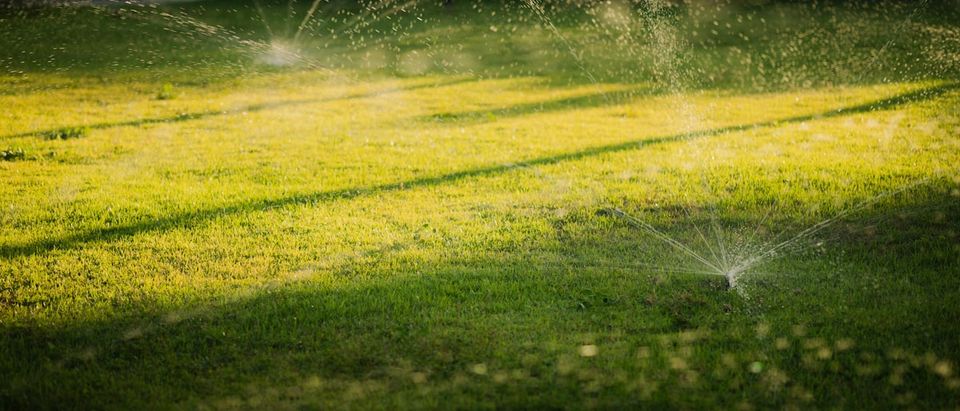
Your lawn irrigation maintenance template should also record the controller schedule settings at each visit, as improper watering programs are one of the most common causes of both landscape damage and wasted water.
Sprinkler System Maintenance Log Template
Use this printable template to document every irrigation service event:
| Date | Service Type | Provider / Performed By | Zones Inspected | Heads Replaced | Leaks Found? | Controller Settings Updated? | Backflow Tested? | Work Performed | Next Service Due | Cost |
|---|---|---|---|---|---|---|---|---|---|---|
| 04/05/2026 | Spring Startup | GreenFlow Irrigation | All 6 zones | 2 (Zone 3) | Zone 5 valve | Yes - seasonal schedule | Yes - passed | Activated system, replaced cracked heads, fixed valve | 07/2026 | $195 |
| 07/15/2025 | Mid-Season Check | DIY | All 6 zones | 0 | No | No | N/A | Visual inspection, adjusted Zone 2 head angle | 10/2025 | $0 |
| 10/25/2025 | Winterization | GreenFlow Irrigation | All 6 zones | 0 | No | Shut down | N/A | Compressed air blowout, all zones cleared | 04/2026 | $125 |
System details for the cover sheet: number of zones, controller brand and model, backflow preventer type and installation date, water source (municipal or well), pipe material (PVC, polyethylene), total number of sprinkler heads by type (rotary, fixed, drip), and installation date.
Component Lifespans and Seasonal Maintenance Schedule
Sprinkler system components wear at different rates depending on water quality, climate, and usage. Data compiled from Wet-Tec, Bath Landscape, and TLC Incorporated:
| Component / Task | Expected Lifespan | Maintenance Frequency | Typical Cost |
|---|---|---|---|
| Complete Irrigation System | 15-20+ years (maintained) | Professional service 2-3x/year | System install: $3,000-$8,000 |
| Sprinkler Heads (pop-up) | 5-10 years | Inspect each startup/shutdown | $3-$15 each to replace |
| Rotary Sprinkler Heads | 5-8 years | Inspect each startup/shutdown | $15-$40 each |
| Drip Emitters | 3-5 years | Flush lines annually | $0.50-$3 each |
| Zone Valves | 10-15 years | Test each startup | $50-$150 each |
| Controller/Timer | 10-15 years | Update programming seasonally | $100-$500 to replace |
| Backflow Preventer | 10-20 years | Annual testing required (most jurisdictions) | $150-$600 to replace |
| PVC Pipe (mainline) | 20-40+ years | Inspect for leaks annually | $2-$10/linear ft to repair |
| Rain Sensor | 5-8 years | Test each spring startup | $25-$75 to replace |
| Spring Startup Service | Annual | Each spring | $75-$200 |
| Winterization (blowout) | Annual | Each fall before freeze | $75-$150 |
The Cost of Neglect: Maintained vs. Unmaintained Systems
The difference in total cost of ownership between a maintained and neglected sprinkler system is stark:
| Category | Maintained System (20 years) | Neglected System (10 years) |
|---|---|---|
| Annual maintenance (startup + winterization) | $4,000-$7,000 total | $0 |
| Emergency repairs | $500-$1,500 total | $4,000-$12,000 total |
| System lifespan | 20+ years | 8-10 years |
| Replacement cost (within 20 years) | $0 | $3,000-$8,000 (full replacement) |
| Water waste (excess usage) | Baseline | $4,000-$10,000 over 20 years |
| Total 20-year cost | $4,500-$8,500 | $11,000-$30,000 |
A neglected system's lifespan drops to 8 to 10 years (less than half of a maintained system). Skipping winterization alone can reduce lifespan by 50% and multiply repair costs fivefold, making the $75 to $150 annual blowout one of the highest-ROI maintenance tasks for any property with irrigation.
The Winterization Record That Prevented a $1,200 Repair
A homeowner in suburban Minneapolis had her sprinkler system winterized every October by the same irrigation company for seven years. In year eight, the company went out of business and she forgot to schedule winterization with a replacement provider before the first hard freeze in November. Three pipe connections and a valve cracked over the winter, resulting in a $1,100 repair at spring startup. She reviewed her sprinkler winterization log afterward and realized that the consistent October service date would have prompted her to act if she had checked the log in September. The following year, she added a calendar reminder tied to her sprinkler system maintenance log and never missed a blowout again.
The takeaway is simple: the log is not just a record — it is a scheduling tool. When you can see that winterization happened on October 22 last year, you know to have it scheduled by mid-October this year.
A seller in suburban Denver demonstrated the resale value of irrigation records when her buyer's inspector flagged the sprinkler system as "unknown condition, no backflow test documentation available." The seller produced her irrigation system service record showing seven years of annual backflow preventer test certificates, all filed with the local water authority. She also had records of two zone valve replacements and annual winterization. The inspector cleared the system, and the buyer withdrew a $500 credit request that had been tied to the irrigation concern.
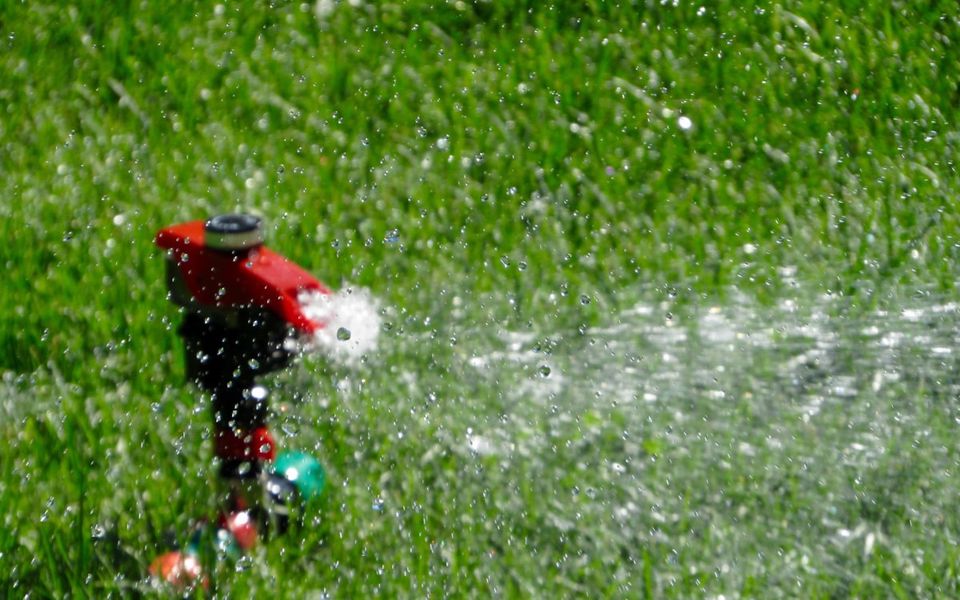
For tracking other outdoor systems, our pool maintenance record handles chemical and equipment logging for pool owners. If you manage multiple property systems, our home maintenance tracker provides a centralized view of every system's service status. For a complete annual scheduling tool, see our annual home maintenance schedule.
Backflow Prevention Testing and Local Requirements
Annual backflow preventer testing is legally required in most U.S. municipalities for any irrigation system connected to the public water supply. A certified tester must verify the device prevents irrigation water from flowing back into the drinking water system, and results typically must be filed with the local water authority. Your sprinkler system inspection tracker should record each test date, the technician's certification number, pass/fail results, and the date of filing. Failure to maintain current backflow test documentation can result in fines or water service disconnection in some jurisdictions.
According to SprinkleSplash, backflow preventers are among the most commonly overlooked components because they operate out of sight, often in a basement or utility box. Annual testing catches stuck check valves and deteriorating seals before they allow irrigation water to contaminate your drinking water supply.
For a full guide to maintaining all your property records, see how to organize home maintenance records.
Twenty Years of Green Starts With Two Service Calls Per Year
An irrigation system is hidden infrastructure — buried pipes, underground valves, and heads that retract below the grass line. Out of sight should not mean out of mind. The two service calls that matter most each year, the spring startup and the fall winterization, take a combined two to three hours and cost less than a single emergency repair. Log those calls, track the components, and your sprinkler system will still be greening your lawn long after your neighbors have dug theirs up for replacement.
Our free Home Maintenance Planner schedules spring start-up and fall winterization so your system is ready each season.
Frequently Asked Questions
How often should a sprinkler system be professionally serviced?
Sprinkler systems should be professionally serviced at least twice per year: a spring startup to activate the system, test all zones, and repair winter damage, and a fall winterization to blow out water from the lines before freezing temperatures arrive. Mid-season inspections are recommended for systems with more than four zones or in areas with hard water that can clog heads and emitters. These three annual touchpoints form the backbone of your sprinkler system maintenance log.
How much does sprinkler system winterization cost?
Professional winterization using compressed air blowout typically costs $75 to $150, depending on the number of zones and system complexity. This is a fraction of the $425 to $1,200 average repair cost for freeze-related damage. In northern climates, winterization is the single most important annual maintenance task for irrigation systems and should be scheduled before the first sustained freeze, typically in October or early November.
What is the lifespan of a residential sprinkler system?
A well-maintained residential sprinkler system lasts 15 to 20 years or more. Without regular maintenance, that lifespan drops to 8 to 10 years. Key factors that affect longevity include annual winterization, timely head and valve replacement, proper water pressure regulation, and seasonal controller adjustments. Documenting all service in an irrigation system service record helps you track component age and plan replacements proactively.
Is backflow preventer testing legally required?
In most U.S. municipalities, annual backflow preventer testing is required by local plumbing codes for any irrigation system connected to the public water supply. A certified tester must verify the device prevents irrigation water from flowing back into the drinking water system. Results typically must be filed with the local water authority. Your sprinkler system maintenance log should track these test dates and results to demonstrate compliance and avoid penalties.
Protect Your Irrigation Investment With Verified Records
Real Estate Ledger stores your sprinkler inspection reports, winterization receipts, and backflow test certificates in a digital property profile that is searchable and verified with tamper-proof Digital Evidence. When a buyer evaluates your landscaping investment or a municipality requests backflow documentation, generate a professional report in minutes. Free for up to 10 properties.
Get started freeRelated Templates
Pool Maintenance Record Template
Track pool chemical readings, equipment service, and repairs with this free maintenance record template. Includes equipment lifespan data and cost benchmarks.
5 min readHome Warranty Tracking System Template
Manage home warranty policies, claims, and coverage gaps with this free tracking system template. Reduce denied claims with organized warranty records.
6 min readHome Maintenance Log Template: Track Every Repair and Service Call
Free home maintenance log template to track repairs, service dates, and costs. Printable spreadsheet with maintenance frequency guide included.
5 min readGarage Door Service History Template
Track garage door spring replacements, opener service, and safety inspections with this free service history template. Includes component lifespan data.
5 min read