Garage Door Service History Template
Track garage door spring replacements, opener service, and safety inspections with this free service history template. Includes component lifespan data.
By the Real Estate Ledger Team
The U.S. Consumer Product Safety Commission reports approximately 30,000 garage door-related injuries each year, making it one of the most safety-critical systems in your home. Beyond safety, garage door components wear on a predictable cycle — torsion springs are rated for 10,000 to 20,000 open-close cycles, which translates to roughly 7 to 14 years for most households, according to This Old House. A garage door service history helps you track every lubrication, spring replacement, opener repair, and safety test so you know exactly where each component stands in its lifecycle.
Keeping a garage door maintenance log is also a practical financial tool. Spring replacement costs $150 to $540 depending on type, but emergency weekend service calls for a snapped spring can run 50% to 100% more. Knowing when your springs were last replaced and how many cycles they have logged lets you schedule replacements proactively, on your timeline, at standard rates.
What to Track in Your Garage Door Service History
Track four categories in your garage door repair record template: mechanical components (springs, cables, rollers, hinges), the opener system (motor, remote, sensors), structural elements (panels, weatherstripping, tracks), and safety features (auto-reverse, photo eyes, manual release). Each entry should capture the component serviced, service date, technician details, and part specifications.
According to Angi, the most common garage door repairs involve spring replacement, opener repair, and panel replacement. Documenting each service event with the component replaced, its rated lifespan, and the installation date transforms your garage door service record from a simple log into a predictive maintenance tool.
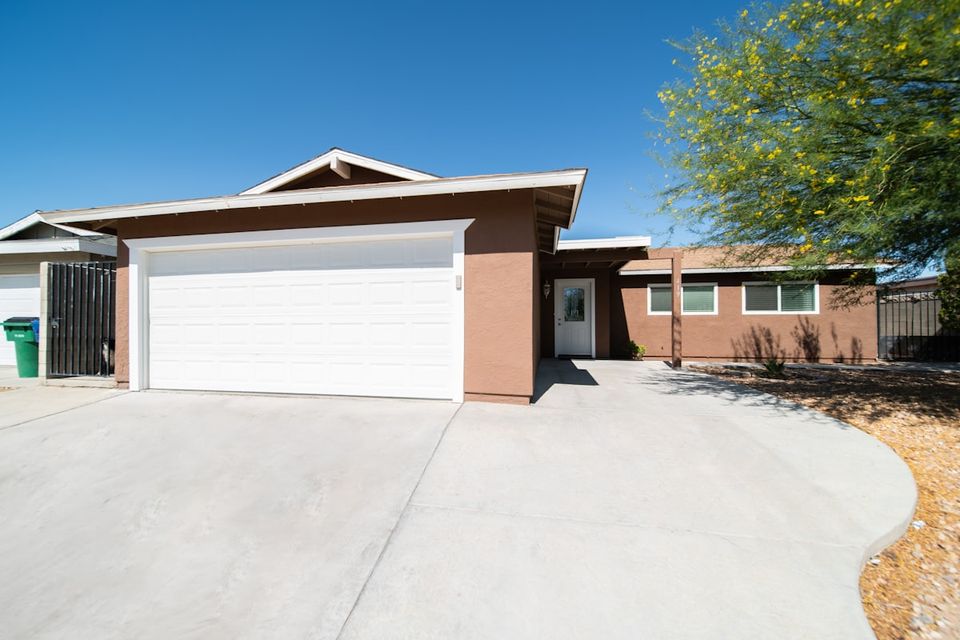
Your garage door spring replacement tracker should also note the spring type (torsion versus extension), wire gauge, and cycle rating, as these details are essential when ordering replacements and verifying warranty coverage.
Garage Door Service History Template
Use this printable template to document every garage door service event:
| Date | Component Serviced | Service Type | Provider / Technician | Part Details (Type, Model) | Estimated Cycles at Service | Work Performed | Warranty Info | Next Service Due | Cost |
|---|---|---|---|---|---|---|---|---|---|
| 02/10/2026 | Torsion Springs (pair) | Replacement | DoorTech Pro | .250 x 2" x 28" torsion, 20K cycle | 12,000 | Replaced both springs, balanced door | 3-year parts | 02/2029 | $450 |
| 02/10/2026 | Rollers | Replacement | DoorTech Pro | Nylon 13-ball bearing | N/A | Replaced all 12 rollers | None | 02/2031 | $180 |
| 08/15/2025 | Opener | Maintenance | DIY | Chamberlain B6765T | N/A | Lubed chain, tested auto-reverse, replaced batteries | Mfg warranty to 2030 | 02/2026 | $15 |
System details for the cover sheet: door manufacturer and model, door dimensions, spring type and specifications, opener brand and model, installation date, and daily average open/close cycles (most households average 3-5 per day).
Component Lifespans and Maintenance Schedule
Garage door systems contain multiple components with different lifecycles. The following data is compiled from Homewyse, A1 Garage, and ConsumerAffairs:
| Component | Expected Lifespan | Maintenance Frequency | Replacement Cost | Cost of Neglect |
|---|---|---|---|---|
| Torsion Springs (standard) | 7-14 years / 10K-20K cycles | Lubricate 3x/year, inspect tension | $150-$350 per spring | Snapped spring: $400-$700 emergency call |
| Extension Springs | 4-10 years / 5K-15K cycles | Lubricate 3x/year, inspect | $120-$200 per spring | Cable snap risk: $300-$600 emergency |
| High-Cycle Torsion Springs | 15-20+ years / 50K-100K cycles | Lubricate 3x/year | $200-$500 per spring | Rarely fail unexpectedly |
| Garage Door Opener (chain) | 10-15 years | Lubricate chain annually | $200-$500 | Motor burnout: $500-$800 + door damage |
| Garage Door Opener (belt) | 12-18 years | Minimal; test annually | $250-$600 | Stripped gear: $350-$700 |
| Nylon Rollers | 5-7 years | Inspect annually | $10-$20 each | Track damage: $200-$500 repair |
| Steel Rollers | 3-5 years | Lubricate 2x/year | $5-$10 each | Seized rollers: panel warping |
| Cables | 8-15 years | Visual inspection 2x/year | $150-$250 per cable | Frayed cable snap: door drops |
| Weatherstripping (bottom seal) | 3-5 years | Inspect seasonally | $20-$60 | Energy loss + pest entry |
| Photo Eye Sensors | 10+ years | Test monthly | $50-$100 per pair | Safety hazard + code violation |
The single most important maintenance habit is lubricating springs, hinges, and rollers two to three times per year with a garage door-specific lubricant. This reduces friction, extends component life, and cuts noise. According to LiftMaster, regular lubrication and balance testing can extend the useful life of springs by up to 25%.
When Spring Replacement Records Matter Most
A homeowner in suburban Denver was preparing to sell when the buyer's inspector flagged the garage door springs as "aged and potentially unsafe." The seller pulled out her garage door service history showing the springs had been replaced just two years prior with high-cycle torsion springs rated for 50,000 cycles. She provided the receipt showing the installer's name, spring specifications, and warranty details. The inspector revised his report, the buyer dropped the repair request, and the sale proceeded without a credit negotiation that could have cost $400 to $600.
According to This Old House, standard torsion springs rated for 10,000 cycles typically need replacement after seven to ten years in a household that uses the door three to four times daily. If you cannot show when your springs were last replaced, a buyer's inspector has every reason to flag them, and a buyer has every reason to request a concession.
A second homeowner in suburban Chicago learned the proactive side of this equation. After reviewing his garage door maintenance log, he noticed his standard torsion springs had been installed nine years earlier. He called a local technician and scheduled a weekday replacement for $380 total for both springs. Two months later, his neighbor's identical springs snapped on a Saturday morning, triggering an emergency weekend service call that cost $720 — nearly double. The service history turned a potential emergency into a planned expense at half the price.
For tracking other home systems that buyers frequently scrutinize, our HVAC service history log and appliance maintenance record template use a similar format. Together with your garage door service record, these logs create a complete picture of mechanical system health for any buyer or inspector. For a step-by-step approach to documenting all your property systems before listing, see our guide to preparing for a home inspection.
Safety Testing You Should Document
Two federal safety tests should be documented monthly in your garage door maintenance log. The auto-reverse test requires placing a 2x4 flat on the floor under the door: the door must reverse upon contact. The photo-eye test requires breaking the sensor beam while the door is closing: the door must reverse immediately. These tests are required by federal safety standards, and documenting them with dates and pass/fail results demonstrates diligence and creates a record that supports your position if a safety incident or liability claim ever arises.
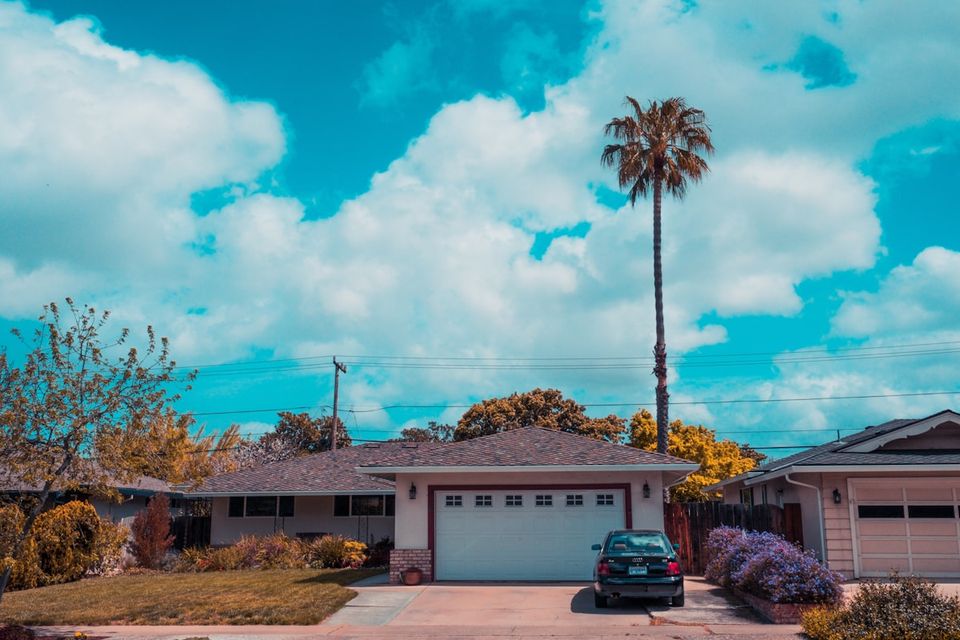
For a broader view of home safety and maintenance documentation, see our home maintenance checklist template which covers all major systems including garage doors. If you manage multiple property maintenance records, our home maintenance tracker provides a centralized view of every system's service status.
The Heaviest Moving Object in Your Home Keeps a Schedule
Your garage door is the largest moving component in your house, cycling open and closed over a thousand times per year. Every cycle wears springs, rollers, and cables a fraction closer to their end of life. The homeowners who avoid emergency calls on freezing Monday mornings are the ones who know their spring cycle count, their last lubrication date, and their next scheduled service. Keep that data in one place, and the door keeps working on your terms.
Frequently Asked Questions
How often should garage door springs be replaced?
Standard torsion springs last 10,000 to 20,000 cycles, which translates to 7 to 14 years for a household that opens and closes the door 3 to 4 times per day. Extension springs have shorter lifespans of 5,000 to 15,000 cycles. High-cycle torsion springs, rated for 50,000 to 100,000 cycles, can last 15 to 20 years. Your garage door service history should track the installation date, spring type, and cycle rating so you can anticipate replacement before a spring snaps.
How much does garage door spring replacement cost?
Torsion spring replacement typically costs $150 to $350 per spring, while extension springs cost $120 to $200 each. Most professionals recommend replacing both springs simultaneously even if only one has broken, which brings the total to $300 to $700 including labor. Emergency and weekend service calls often carry surcharges of 50% to 100%, making scheduled replacement from a service history significantly cheaper than reactive repairs.
Should I replace garage door springs myself?
Garage door spring replacement is considered one of the most dangerous DIY home repairs. Torsion springs are under extreme tension and can cause serious injury if handled improperly. The Consumer Product Safety Commission data on 30,000 annual garage door injuries underscores this risk. Professional installation with a documented warranty is strongly recommended, and the service record from a licensed technician carries more weight for insurance and resale purposes.
What garage door maintenance can I do myself?
Homeowners can safely perform several maintenance tasks: lubricating springs, hinges, and rollers with garage door lubricant two to three times per year; testing auto-reverse and photo-eye sensors monthly; tightening hardware; replacing weatherstripping; and replacing opener batteries and remote batteries. Document each of these tasks in your garage door maintenance log to build a comprehensive service history.
How does a garage door service history help when selling my home?
A documented garage door service record shows potential buyers and inspectors that the system has been maintained on schedule. Inspectors commonly flag aging springs and openers as deficiencies, which can lead to repair credit requests of $400 to $700. Providing service history with dates, technician details, and component specifications gives the inspector evidence to clear these items, preventing unnecessary concessions during closing negotiations.
Log Every Service Call in One Verified Profile
Real Estate Ledger stores your garage door repair invoices, spring replacement receipts, and safety test records in a searchable digital property profile. Every document is verified with tamper-proof Digital Evidence, so your service history is always credible when a buyer, inspector, or warranty provider asks for proof. Free for up to 10 properties.
Get started freeRelated Templates
Home Maintenance Log Template: Track Every Repair and Service Call
Free home maintenance log template to track repairs, service dates, and costs. Printable spreadsheet with maintenance frequency guide included.
5 min readSprinkler System Maintenance Log Template
Track sprinkler inspections, winterization, and repairs with this free maintenance log template. Prevent freeze damage with documented seasonal care.
6 min readPool Maintenance Record Template
Track pool chemical readings, equipment service, and repairs with this free maintenance record template. Includes equipment lifespan data and cost benchmarks.
5 min readHome Warranty Tracking System Template
Manage home warranty policies, claims, and coverage gaps with this free tracking system template. Reduce denied claims with organized warranty records.
6 min read