Pre-Listing Documentation Checklist: Prepare Before Your Home Hits the Market
Prepare every document before listing with this pre-listing checklist. Covers agent documentation, seller records, and inspection prep for a smooth sale.
By the Real Estate Ledger Team
A pre-listing documentation checklist is a phased plan that tells sellers and agents exactly which records to gather, and when, before a home goes on the market. The weeks before listing are when deals are won or lost. Sellers who wait until an offer arrives to start gathering documents face rushed timelines, missing records, and preventable price reductions. According to the American Land Title Association (ALTA), title and documentation problems cause roughly 25% of all closing delays. Zillow's seller concessions research documents how prevalent post-inspection concessions have become in recent markets; listing agents commonly recommend pre-listing inspection reports as one way to reduce post-inspection renegotiation by surfacing issues before buyers use them as leverage. Agents who set documentation expectations early close faster and with fewer surprises.
This pre-listing preparation checklist is designed for both sellers and their listing agents. Use it as a collaborative tool: the agent identifies what's needed, and the seller gathers it before the first showing.
Why Pre-Listing Documentation Matters
Homes with complete documentation packages sell faster and with fewer contingency-related delays. The reason is simple. Buyers who receive organized records upfront have less to question during due diligence. Fewer questions mean fewer reasons to renegotiate.
Consider the alternative: a buyer's inspector flags a repaired crack in the foundation. Without records, the seller can't prove it was professionally repaired. The buyer requests a $5,000 credit or threatens to walk. With a dated invoice and engineer's report on file, the seller responds in minutes. No credit, no delay.
Pre-listing preparation is about removing uncertainty before it becomes a negotiation tactic. Sellers with a complete listing agent documentation checklist in hand spend less time chasing paperwork and more time evaluating offers.

Phase 1: Property Identity Documents (4-6 Weeks Before Listing)
Start with the paperwork that establishes who owns the property and its legal status.
- Current property deed
- Property survey or plat map
- Title insurance policy from your purchase
- Property tax statements (past 3 years)
- Certificate of occupancy
- Zoning compliance letter (if relevant to the sale)
- Any easement or encroachment agreements
Agent tip: Order a preliminary title report now. This catches liens, boundary disputes, and title defects while there's still time to resolve them. Discovering title issues after an offer arrives can delay closing by 30-60 days. A listing agent in Austin compiled a full documentation package for a 1990s ranch home and reported zero inspection credit requests for the first time in 14 listings that year.
Phase 2: Financial and Mortgage Documents (3-4 Weeks Before Listing)
Gather everything related to the property's financial obligations.
- Current mortgage statement with payoff balance
- Home equity loan or HELOC statement
- HOA dues schedule and financial statements
- Special assessment notices
- Property tax appeal documentation (if applicable)
- Solar lease or loan agreement (if applicable)
Contact your lender now for a payoff estimate. Payoff amounts change daily due to accrued interest, and some lenders take 10-14 business days to process a formal payoff request.
Phase 3: Disclosure Forms (2-3 Weeks Before Listing)
Complete all required disclosure forms with your agent. These must be ready before the first showing in most states.
- Seller's property disclosure statement
- Lead-based paint disclosure (if home built before 1978)
- Natural hazard disclosure report
- HOA disclosure package ordered and received
- Any local or state-specific transfer disclosures
- Mold, radon, or environmental disclosures (if applicable)
Our seller disclosure documents checklist walks through each form in detail. If you are also refinancing before listing, see the mortgage documents checklist for lender requirements.
Phase 4: Maintenance and Improvement Records (2-3 Weeks Before Listing)
This is where most sellers fall behind. Compiling maintenance records takes time, especially if you haven't been tracking them consistently.
Major Systems Documentation
| System | Records to Gather | Why Buyers Care |
|---|---|---|
| Roof | Install date, warranty, inspection reports, repair receipts | Replacement cost: $8,000-$15,000 |
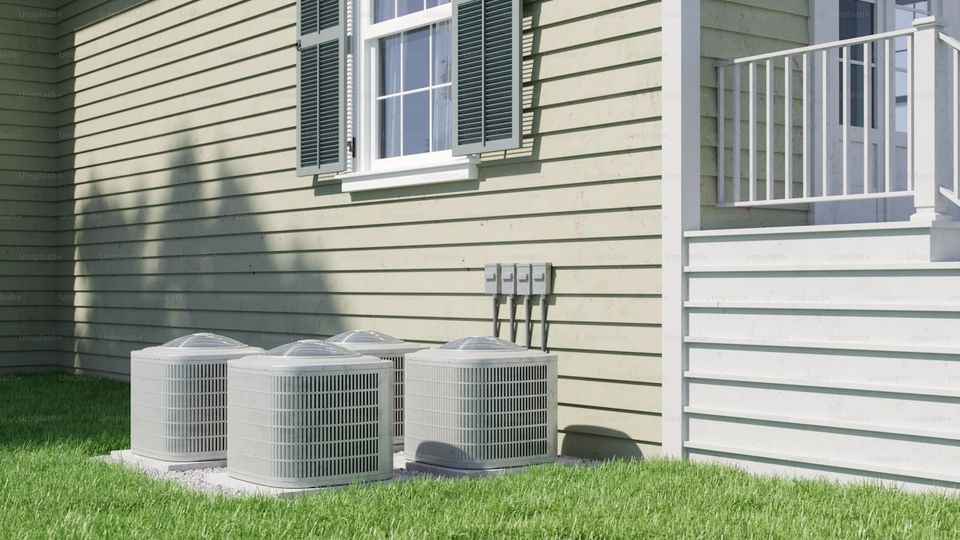
| HVAC | Service receipts, filter logs, warranty, install date | Replacement cost: $5,000-$12,000 |
| Water heater | Install date, flush records, warranty | Replacement cost: $1,500-$3,000 |
| Electrical | Panel upgrade permits, repair invoices | Safety and insurance eligibility |
| Plumbing | Repair history, inspection reports | Hidden damage risk is high |
| Foundation | Inspection reports, repair records, engineer assessments | Buyers' top structural concern |
Permits and Renovation Records
- Building permits for all additions, remodels, and structural changes
- Certificates of completion from building inspectors
- Contractor invoices with scope of work described
- Before/after photos of major improvements
- Material specifications and product selections
Warranty Documentation
- Active warranties for roof, HVAC, and major systems
- Appliance warranties with serial numbers
- Home warranty policy (if transferable)
- Extended warranty documentation for any systems or appliances
Track these efficiently with an appliance warranty tracker and home maintenance checklist template.
Phase 5: Pre-Listing Inspection (Optional but Recommended)
Ordering your own inspection before listing costs $300-$500 depending on home size, according to the American Society of Home Inspectors (ASHI). It's worth the investment for several reasons.
You find problems first. Fix issues on your timeline, at your price, with your preferred contractor, rather than under pressure from a buyer's deadline.
You set accurate expectations. No surprises during the buyer's inspection means no surprise credit requests.
You strengthen your disclosures. An inspection report helps you complete disclosure forms accurately and thoroughly.
Seller pre-inspection checklist:
- Schedule a licensed home inspector
- Ensure all areas of the home are accessible (attic, crawl space, electrical panel)
- Fix minor issues before inspection day (replace smoke detector batteries, repair leaky faucets)
- Order separate pest inspection if required by your state
- Order septic inspection if applicable
- Order well water test if applicable
Phase 6: Package Everything for Buyers (1 Week Before Listing)
With all documents gathered, organize them into a professional package.
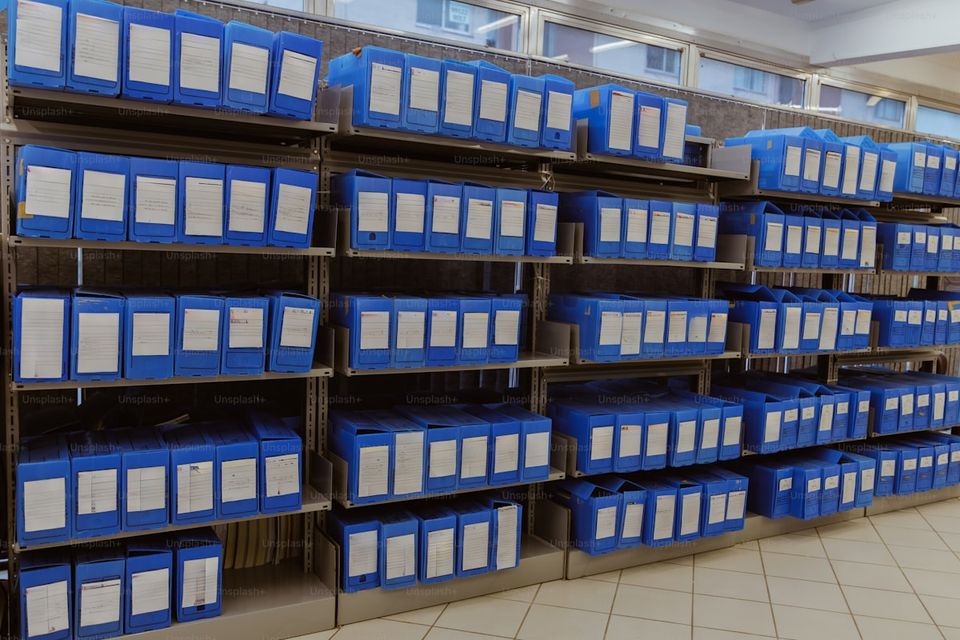
Digital format is standard. Create a shared folder or use a document management platform. Organize by category: ownership, financial, disclosures, maintenance, warranties, improvements.
Build a summary overview. A one-page document listing each major system, its age, condition, warranty status, and last service date. Agents and buyers scan this first before reviewing individual records.
Include property-specific details. Paint colors, flooring types, fixture brands, appliance models and serial numbers. Buyers appreciate this information during move-in planning.
Share proactively with buyer's agents. Don't wait for requests. Making your documentation package available at the first showing signals preparation and transparency. Scott Martin, a Dayton, Ohio homeowner who shared a complete property guidebook at listing through Real Estate Ledger, received 17 showings in three days and sold for $30,000 above asking price.
For tips on what information buyers specifically ask about, see what paperwork buyers want from sellers.
Listing Agent Documentation Checklist
Agents: use this abbreviated checklist with every new listing to set expectations during the listing presentation.
From the seller:
- Completed seller disclosure
- Mortgage payoff estimate
- HOA documents (if applicable)
- Maintenance records for major systems
- Permit records for all improvements
- Active warranties
- Utility bills (12 months)
From third parties:
- Preliminary title report
- Natural hazard disclosure
- Pre-listing inspection (recommended)
- HOA disclosure package
Agent-prepared:
- Comparative market analysis (CMA)
- Listing agreement
- MLS data sheet
- Marketing materials
For the full list of documents required at every stage from listing to closing, see our documents needed to sell a house guide.
Frequently Asked Questions
How early should I start pre-listing documentation?
Begin 4-6 weeks before your target listing date. This gives you time to order title reports, request records from service providers, and complete disclosure forms without rushing. If you're 12 or more months away from selling, start organizing documents now so you're not scrambling later. Our full documents needed to sell a house guide includes a week-by-week timeline.
Should sellers pay for a pre-listing inspection?
In most cases, yes. A pre-listing inspection costs $300-$500 and removes the biggest source of renegotiation: the buyer's inspection findings. You fix issues on your terms, and your disclosures are more accurate. The only downside is that once you know about a problem, you must disclose it. But buyers' inspectors would find it anyway.
What if my listing agent doesn't ask for documentation?
Ask them to. Agents who prepare a complete documentation package for the listing tend to achieve better outcomes for their sellers. If your agent doesn't typically work this way, you can compile your own package using this checklist. The property records for home sale guide covers which records have the highest impact on sale price.
Do I need to provide documentation for a "sold as-is" sale?
Yes. "As-is" means you won't make repairs, not that you don't have to disclose. Disclosure requirements apply regardless of the sale terms. Buyers in as-is transactions often scrutinize documents even more closely because they're accepting the property's current condition and want full visibility into its history.
How do I handle documentation for a property I've owned for 20+ years?
Focus on the records that matter most to buyers: permits, roof and HVAC documentation, and any work done in the past 10 years. For older records, contact local service companies and the building department. You won't recover everything, but a partial history supplemented with a current pre-listing inspection gives buyers a reasonable picture. Start with our guide on how to organize home maintenance records.
Streamline Pre-Listing Prep With Real Estate Ledger
The best time to start organizing property documents is the day you buy your home. The second-best time is today. Real Estate Ledger gives homeowners and agents a shared platform for property documentation. Upload records, and AI automatically sorts them by category. Every document receives blockchain-backed verification through Digital Evidence. When listing day arrives, generate a Property Guidebook that compiles your full maintenance history, warranties, and improvement records into a professional, shareable report. Agents who use this approach report faster sales and fewer inspection credit negotiations, because buyers see the documentation and trust the property's history. Ed Oravetz of LedgerLiving embedded Real Estate Ledger into every home in The Terraces Townhomes, a 60-unit community in the Blue Ridge Mountains. From foundation to closing, every permit, inspection, material spec, and warranty was documented. At handoff, each buyer received a complete guidebook. As Oravetz put it: "Most builders hand you a house. We're handing homeowners the proof."
Get started freeRelated Checklists
Spring Home Maintenance Checklist: 14 Tasks That Pay for Themselves
Spring home maintenance checklist with sourced cost-of-neglect data for every task: gutters, AC tune-up, roof, dryer vent, and more. Free planner included.
11 min readFall Home Maintenance Checklist: 12 Tasks and What It Costs to Skip Each One
A fall home maintenance checklist with sourced cost-of-neglect data for every task. Twelve jobs, dollar figures, and a free planner to track them.
9 min readWinter Home Maintenance Checklist: 12 Tasks (and What Skipping Each One Actually Costs)
Winter home maintenance checklist with sourced cost-of-neglect data for each task. 12 jobs, repair price ranges, and a free planner you can save to your home.
9 min readSummer Home Maintenance Checklist: 12 Tasks Worth Doing Before August
A summer home maintenance checklist with 12 dated tasks, sourced cost-of-neglect data, and one-click planner deep-links. Free printable version included.
11 min read