Mortgage Documents Checklist
Full mortgage paperwork checklist covering every document needed for a mortgage application. Organized by stage from pre-approval through closing so nothing gets missed.
By the Real Estate Ledger Team
A mortgage documents checklist is a stage-by-stage list of the financial, identity, and property records lenders require from pre-approval through closing day. Gathering mortgage paperwork is the part of home buying that catches people off guard. The Freddie Mac homebuyer resource estimates that borrowers submit 15 to 25 documents during the mortgage process, and lenders frequently request follow-up items that add to the count. Each missing document is a potential delay. Each delay costs you time and, in a competitive market, may cost you the house.
According to the Mortgage Bankers Association, the average mortgage application takes 44 days to close as of early 2025. Incomplete documentation is one of the top reasons loans take longer.
This checklist organizes every document needed for a mortgage application by stage so you can prepare each batch before the lender asks for it. Whether you are buying your first home or your fifth, having your mortgage paperwork checklist ready before you apply puts you in the strongest position to close on schedule.
Pre-Approval Documents
Pre-approval is the first step, and it requires real documentation. A pre-qualification based on self-reported income is not the same thing. Sellers and their agents know the difference.
Identity and residency:
- Government-issued photo ID (driver's license or passport)
- Social Security number (for credit check authorization)
- Current address and two years of address history
Income verification:
- Two most recent pay stubs (covering at least 30 days)
- W-2 forms from the past two years
- Most recent federal tax returns (all pages, all schedules)
- If self-employed: two years of business tax returns plus a year-to-date profit and loss statement
Asset documentation:
- Two most recent months of bank statements for all checking, savings, and investment accounts
- Retirement account statements (401k, IRA) if you plan to use these funds
According to ICE Mortgage Technology closing data, the average purchase loan took 43 days to close in 2024. Buyers with verified pre-approval letters routinely close five to seven days faster because their documentation is already on file. A family in Charlotte submitted their pre-approval documents five days before they started house hunting. When they found the right home on day two, their agent submitted the offer with a verified pre-approval letter that same evening. The seller chose their offer over two others that only had pre-qualifications.

Documents Needed During Underwriting
After your offer is accepted, the lender begins underwriting. This is where most documentation requests happen, and where delays are most costly.
| Document Category | Specific Documents | Common Issues |
|---|---|---|
| Employment | Verification of employment letter, recent pay stubs | Job changes during the process require explanation |
| Income | Tax transcripts (Form 4506-C), profit/loss if self-employed | IRS transcripts take up to 10 business days |
| Assets | Updated bank statements, gift letters for gifted funds | Large deposits require written explanations |
| Debts | Student loan statements, car loan payoffs, child support orders | Undisclosed debts found on credit report cause delays |
| Property | Purchase agreement, appraisal report, homeowner's insurance quote | Low appraisals require renegotiation or additional cash |
| Insurance | Homeowner's insurance binder or declaration page | Coverage must be bound before closing |
The six document categories lenders require during underwriting are employment, income, assets, debts, property information, and insurance.
The gift letter deserves special attention. If a family member is contributing to your down payment, the lender needs a signed letter stating the amount, the relationship, and that no repayment is expected. The HUD gift fund rules specify that gift funds must come from an acceptable donor (typically a family member) and be fully documented with bank statements showing the transfer.
Your lender will also pull IRS tax transcripts using Form 4506-C to verify that your filed returns match what you submitted. This step alone takes 5 to 10 business days. Signing and returning the 4506-C form on day one of underwriting prevents this from becoming a bottleneck.
Documents for Self-Employed Borrowers
Self-employed borrowers face a longer documentation list. Lenders need to verify income stability when there is no employer to confirm it.
Beyond the standard two years of personal tax returns, you will need two years of business tax returns (1120S, 1065, or Schedule C depending on your business structure). A current year-to-date profit and loss statement is also required, and some lenders ask for it to be prepared by a CPA rather than self-prepared.
Bank statements play a bigger role for self-employed applicants. Lenders look at 12 to 24 months of business account deposits to verify consistent revenue. Irregular deposits are not disqualifying, but you should expect to write explanation letters for months where income dipped significantly.
A freelance designer in Austin had 14 months of consistent deposits but one month at half her usual revenue. Her lender asked for a written explanation. Because she had the letter ready the same day, her approval stayed on track without a single delay.
If you own rental properties, include signed lease agreements and two years of Schedule E from your tax returns. Lenders typically count 75% of rental income toward your qualifying income to account for vacancy and maintenance costs.
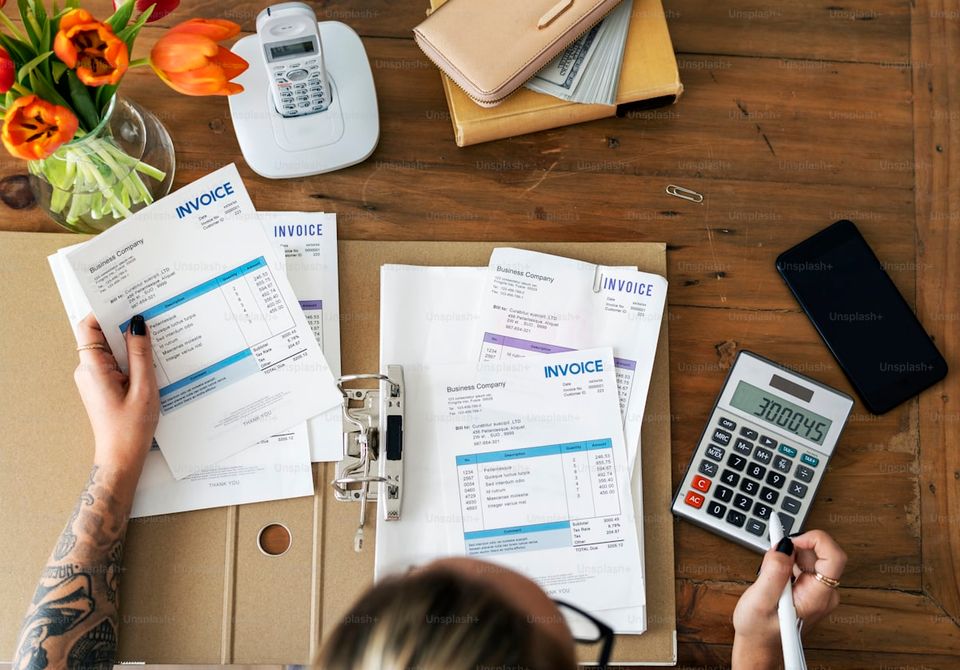
For a list of all the property documents you should keep organized as a homeowner, check our guide on how to organize home documents. Once you close, our home maintenance checklist template helps you track ongoing upkeep from day one.
Documents Needed at Closing
The mortgage process ends at the closing table, where you sign the final loan documents. Some of these overlap with the broader home closing documents checklist, but several are specific to the mortgage.
- Closing Disclosure: Finalized loan terms and all costs. You receive this three business days before closing.
- Promissory note: Your legal commitment to repay the loan on the stated terms.
- Deed of trust or mortgage: Gives the lender a lien on the property as collateral.
- Right of rescission (refinance only): You have three business days to cancel after signing a refinance. This does not apply to purchase mortgages.
- Initial escrow disclosure: Details your monthly escrow payments for property taxes and insurance.
Bring your government-issued ID and a cashier's check or wire confirmation for the amount listed on your Closing Disclosure. Double-check the wire instructions by phone with your title company to avoid wire fraud.
If you are refinancing rather than purchasing, our home refinancing documents checklist covers the specific document requirements for that process, including the additional title work involved.
Build Your File Before You Need It
The best time to organize your mortgage paperwork is before you start shopping for a home. Gather two years of tax returns, set up a folder for pay stubs, and download your most recent bank statements now. When the right property appears, you will be ready to submit a pre-approval application the same day, and your lender will not be waiting on you for a single document. Once your loan is approved, our home closing documents checklist walks you through everything you need on closing day. For long-term property record management after you close, visit our property transfer documentation checklist.
Frequently Asked Questions
How many documents do I need for a mortgage application?
Most borrowers submit between 15 and 25 individual documents during the mortgage process, though the exact count depends on your employment type, income sources, and financial situation. Self-employed borrowers typically need additional documentation including two years of business tax returns and a year-to-date profit and loss statement. The documents span four categories: identity verification, income proof, asset documentation, and property information.
How far back do mortgage lenders look at bank statements?
Lenders typically require the two most recent months of bank statements for all accounts you plan to use for down payment and closing costs. They review these statements for sufficient funds, regular deposits consistent with your stated income, and any large deposits that need explanation. A deposit of $500 or more that does not match your regular paycheck pattern will likely require a letter of explanation and supporting documentation.
Can I get a mortgage without two years of tax returns?
Conventional loans generally require two years of tax returns for all borrowers. Some loan programs offer alternatives for specific situations. Bank statement loans allow self-employed borrowers to qualify using 12 to 24 months of bank deposits instead of tax returns, though they typically carry higher interest rates. W-2 employees with consistent income may qualify with just one year of returns through certain lenders.
What documents slow down the mortgage process the most?
The most common documentation delays involve gift letters for down payment funds, explanation letters for large bank deposits, divorce decrees when applicable, and tax transcripts ordered from the IRS. Tax transcript requests (Form 4506-C) can take up to 10 business days to process. Having these documents prepared before applying can shave a week or more off your approval timeline.
Do I need to provide documents for a mortgage pre-approval?
Yes, a legitimate pre-approval requires documentation. Unlike a pre-qualification, which relies on self-reported information, a pre-approval involves a credit check and document review. You will need to provide pay stubs, W-2s, bank statements, and authorize a credit pull. The resulting pre-approval letter carries significantly more weight with sellers because a lender has already verified your financial information.
Organize Your Mortgage Documents Before the Lender Asks
Real Estate Ledger stores your financial documents, tax returns, and property records in a searchable digital profile. When your lender requests additional documentation, find it in seconds instead of scrambling through email and filing cabinets. Free for up to 10 properties — no credit card required.
Get started freeRelated Checklists
Home Closing Documents Checklist
Complete home closing documents checklist for buyers and sellers. Every form you need before, during, and after closing day, organized by stage.
5 min readDocuments Needed to Sell a House: The Complete 2026 Checklist
Complete list of documents needed to sell a house in 2026. Covers title, disclosures, inspection reports, and mortgage paperwork with a printable checklist.
5 min readNew Home Move-In Documentation Checklist: Building Your Property File From Day One
First-week documentation checklist for new homeowners. Covers closing documents to file, utilities to set up, systems to inspect, and records to start from day one.
5 min readProperty Transfer Documentation Checklist
Every document needed for a property transfer, from deed to title insurance. Use this title transfer document checklist to prevent closing delays and surprise fees.
6 min read