Home Closing Documents Checklist
Complete home closing documents checklist for buyers and sellers. Every form you need before, during, and after closing day, organized by stage.
By the Real Estate Ledger Team
A home closing documents checklist is the complete set of legal, financial, and identity records that buyers and sellers must prepare, review, and sign to finalize a real estate transaction. A typical closing involves signing between 50 and 100 pages of documents in a single sitting. According to the Consumer Financial Protection Bureau, buyers who review their Closing Disclosure in advance report fewer errors and less confusion at the signing table. Missing even one document can delay your closing date by days or weeks, which may mean losing a locked interest rate or paying per-diem charges. The American Land Title Association (ALTA) estimates that title and document issues cause roughly 25% of all closing delays nationwide.
This home closing documents checklist covers every form buyers and sellers need before, during, and after closing day. Whether you are purchasing your first home or selling a property you have owned for years, knowing what to bring to closing on a house removes the last source of stress from an already complex process.
Buyer's Closing Day Documents List
Buyers sign the majority of paperwork at closing. Here is every document you should expect, organized by when you receive it.
Three days before closing:
- Closing Disclosure (CD): Your lender must deliver this at least three business days before closing, per CFPB regulations. Compare it line by line to your Loan Estimate.
- Proof of homeowner's insurance: Your lender needs evidence of coverage before releasing funds.
- Final walkthrough notes: Document anything that changed since your last visit.
At the closing table:
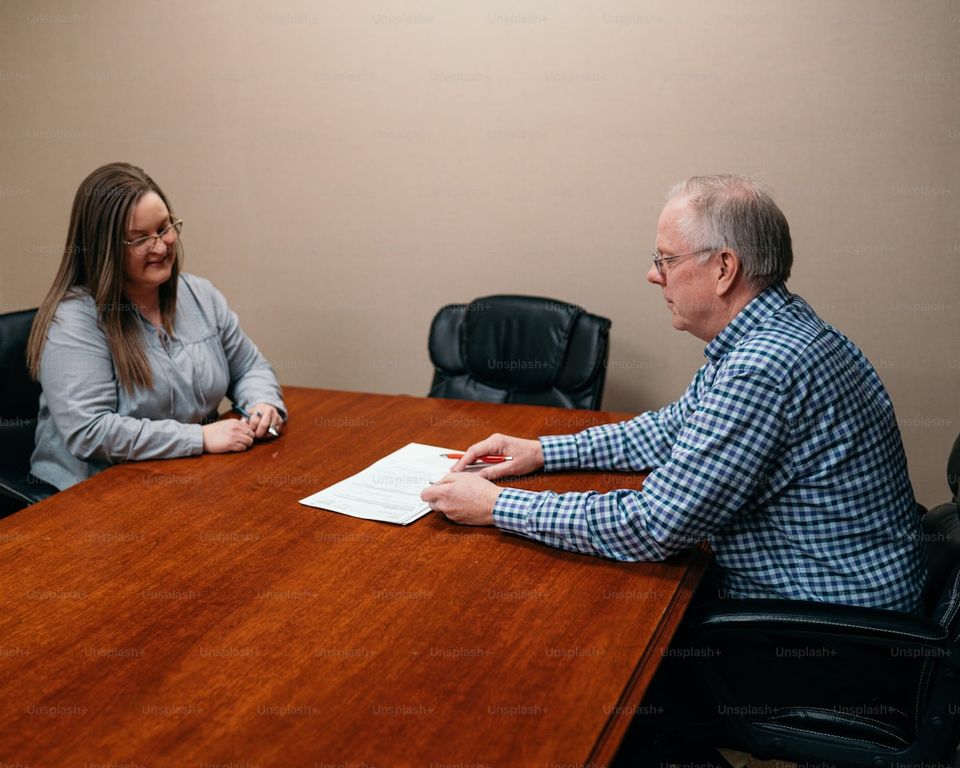
- Government-issued photo ID: A driver's license or passport. Some states require two forms of ID.
- Cashier's check or wire transfer confirmation: Covering your down payment and closing costs. Personal checks are rarely accepted for amounts above a few hundred dollars.
- Promissory note: Your legal promise to repay the mortgage.
- Deed of trust (or mortgage): Gives the lender a security interest in the property.
- Initial escrow disclosure: Shows how much you pay monthly into escrow for taxes and insurance.
After closing:
- Recorded deed: Your county recorder's office sends this after processing, typically within two to six weeks.
- Title insurance policy: Arrives separately from the title company.
For a full list of records to keep after purchase, see our documents to keep after buying a house guide. Our home maintenance checklist template helps you start tracking upkeep tasks from day one.
Seller's Closing Documents Checklist
Sellers sign fewer documents but carry responsibilities that can stall a closing if left incomplete.
| Document | Purpose | Who Provides It |
|---|---|---|
| Deed (warranty or quitclaim) | Transfers ownership to the buyer | Seller's attorney or title company |
| Settlement statement | Itemizes seller proceeds and costs | Title company or escrow agent |
| Seller disclosures | Lists known defects and conditions | Seller (required by state law) |
| Payoff statement | Shows remaining mortgage balance | Seller's lender |
| Bill of sale (if applicable) | Transfers personal property included in the sale | Seller |
| Keys, codes, garage openers | Physical access items | Seller |
Sellers should also bring any repair receipts that correspond to inspection negotiation agreements. A homeowner in Atlanta nearly delayed their closing by two days because they could not locate the receipt for a $1,800 roof repair the buyer's inspector had required. Having those records organized and accessible beforehand would have eliminated that risk entirely.
If you are preparing for a property transfer, our property transfer documentation checklist covers the title and deed requirements in more detail.
Documents Both Parties Should Review Before Closing
Several documents deserve attention well before the signing appointment.
The purchase agreement is the foundation. Every dollar amount, contingency deadline, and included fixture should match what you negotiated. According to the National Association of Realtors (NAR), 28% of closings in 2024 experienced at least one delay, with financing issues and appraisal problems topping the list. Reviewing all documents early catches discrepancies before they become delays.
The title search and title commitment confirm that the seller has clear ownership and that no liens, judgments, or claims exist on the property. If the title search reveals an old contractor's lien for $4,500, resolving it before closing day prevents a last-minute scramble.

The appraisal report matters to both sides. If the appraised value comes in below the purchase price, buyers may need to renegotiate or bring extra cash to closing. Sellers should review it to understand how the appraiser valued the property.
Common Closing Document Mistakes to Avoid
Even experienced buyers and sellers make errors that cost time and money. Here are the most common problems.
Name mismatches. Your name on the closing documents must match your government ID exactly. A middle name on one and a middle initial on another can require a correction affidavit, adding 30 minutes to the process.
Wire fraud. The FBI's Internet Crime Complaint Center reports that real estate wire fraud losses exceeded $145 million in 2023. A couple in Tampa wired $38,000 to a spoofed escrow account after following instructions from a compromised email thread. By the time they realized the error, the funds were unrecoverable. Never wire closing funds based on email instructions alone. Always confirm wiring details by phone using a number you know is correct.
Not reading the Closing Disclosure. The three-day review period exists for a reason. Compare every fee to your Loan Estimate. Unexplained jumps in lender charges, title fees, or prepaid items should be questioned before you arrive.
If you are also applying for a mortgage or refinancing, our mortgage documents checklist and home refinancing documents checklist cover those specific document requirements.
Your Closing Day Action Plan
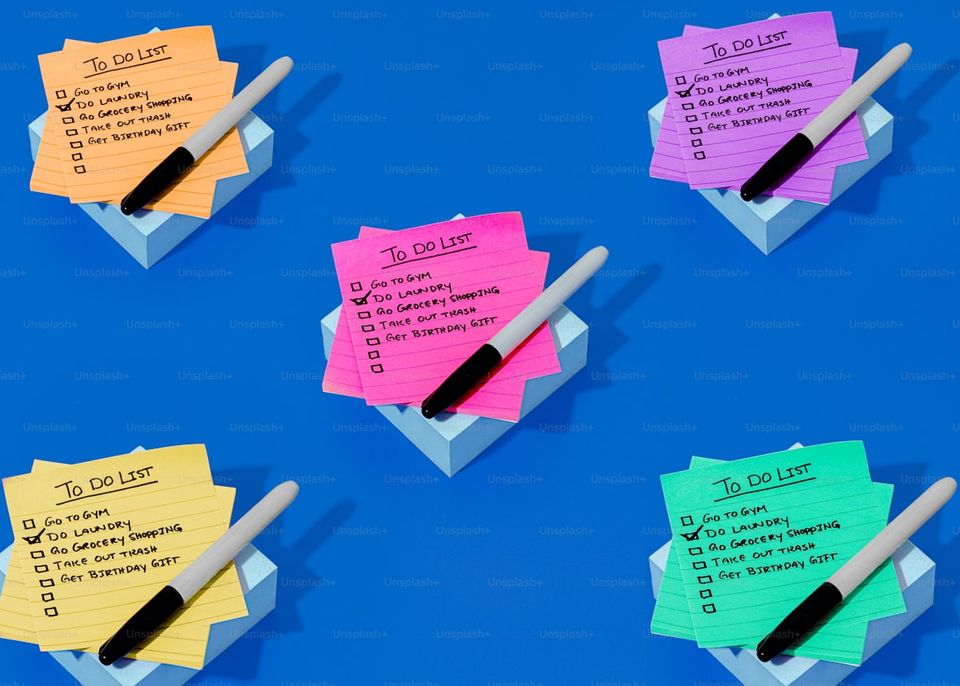
Start reviewing your documents at least a week before the scheduled closing date. Print this closing day documents list and check off each item as you receive or prepare it. Organize physical copies in a labeled folder and store digital copies in a dedicated property file. The time you spend preparing now pays off at the table when you can sign with full confidence that every figure, name, and term matches your expectations.
Once you have the keys, our move-in documentation checklist covers the records to organize in your first week as a new homeowner.
Frequently Asked Questions
What documents do I need to bring to closing on a house?
Buyers should bring a government-issued photo ID, proof of homeowner's insurance, a cashier's check or wire transfer confirmation for closing costs, and any documents the lender requested before closing. Sellers need their photo ID, house keys, garage door openers, and any repair receipts agreed upon during negotiations. Both parties should bring a copy of the purchase agreement for reference.
How long does a home closing take?
A typical home closing takes 30 to 90 minutes for the signing appointment itself. The full closing process, from accepted offer to final signing, averages 45 to 50 days according to ICE Mortgage Technology data. Cash purchases can close in as few as 14 days because there is no lender underwriting or appraisal waiting period.
What is the most important document at closing?
The Closing Disclosure is the single most important document at closing. It lists every cost, credit, and term of your loan in a standardized format the CFPB requires lenders to provide at least three business days before closing. Compare it line by line to the Loan Estimate you received when you applied. Any unexplained differences are worth questioning before you sign.
How long should I keep closing documents after buying a home?
Keep your closing documents for as long as you own the property, plus at least three years after selling. The deed, title insurance policy, and survey should be kept permanently. Tax-related documents like the settlement statement (which shows your cost basis) should be retained for at least seven years after you sell, per IRS record-keeping guidelines.
Keep Every Closing Document in One Secure Place
Real Estate Ledger organizes your closing documents, mortgage records, and property files in a searchable digital profile. Every document is verified with tamper-proof Digital Evidence. Free for up to 10 properties — no credit card required.
Get started freeRelated Checklists
Property Transfer Documentation Checklist
Every document needed for a property transfer, from deed to title insurance. Use this title transfer document checklist to prevent closing delays and surprise fees.
6 min readMortgage Documents Checklist
Full mortgage paperwork checklist covering every document needed for a mortgage application. Organized by stage from pre-approval through closing so nothing gets missed.
6 min readDocuments Needed to Sell a House: The Complete 2026 Checklist
Complete list of documents needed to sell a house in 2026. Covers title, disclosures, inspection reports, and mortgage paperwork with a printable checklist.
5 min readSeller Disclosure Documents Checklist: Every Form You Need Before Listing
Use this seller disclosure documents checklist to prepare every required form before listing. Covers state disclosures, lead paint, HOA docs, and more.
5 min read