Foundation Inspection Record Template
Track foundation inspections, crack monitoring, and structural repairs with this free record template. Includes measurement tracking to protect property value.
By the Real Estate Ledger Team
Foundation repair costs range from $2,500 for minor crack sealing to over $40,000 for raising a settling structure, according to This Old House. A professional foundation inspection that catches problems early costs just $300 to $600. That math — a $600 investment that can prevent a $40,000 repair — makes a foundation inspection record one of the most consequential documents a homeowner can maintain.
Structural issues rarely appear overnight. They develop over months or years, and the homeowners who catch them early are the ones tracking changes in a foundation monitoring tracker. Hairline cracks that measure 1/16 inch today could widen to 1/4 inch in two years, signaling active settlement that requires professional intervention. Without dated measurements in a foundation inspection log template, you lose the timeline that engineers need to diagnose the problem and that insurers need to process a claim.
What to Document in Your Foundation Inspection Record
A complete structural inspection record captures crack measurements, moisture observations, drainage conditions, and any structural movement indicators. Each entry should include the date, inspector credentials, specific locations examined, and quantitative measurements wherever possible.
According to Angi, most professional foundation inspections take one to two hours and cover exterior walls, interior basement or crawl space walls, floors, and the surrounding grade. Engineers use tools like crack monitors, level instruments, and moisture meters to quantify what a visual inspection alone might miss.
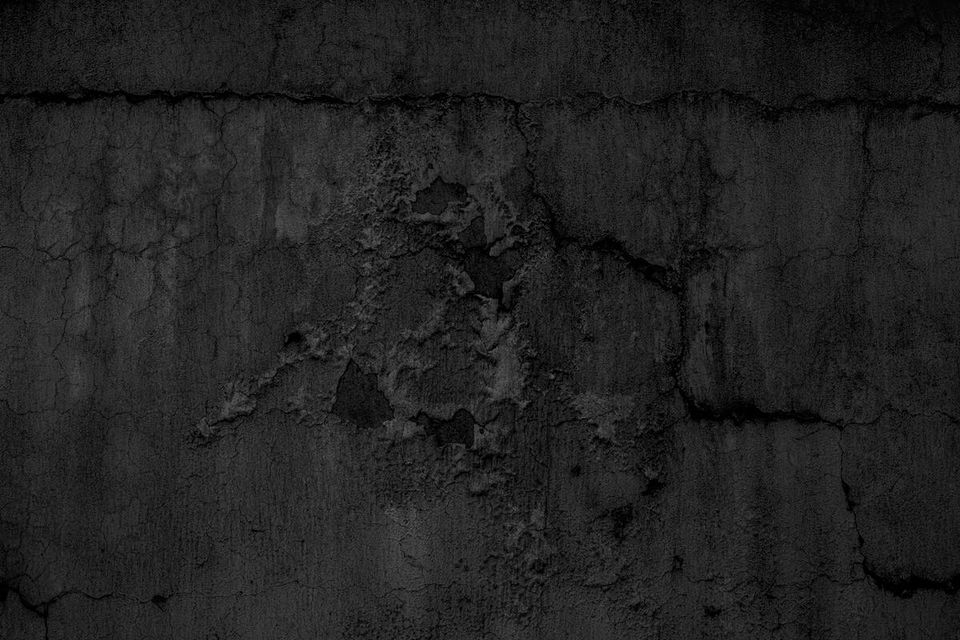
Your foundation repair documentation should also note soil conditions around the perimeter, recent weather events (prolonged drought or heavy rain), and any landscaping changes that may affect drainage patterns.
Foundation Inspection Record Template
Use this printable template to document every foundation assessment:
| Date | Inspector / Company | Licensed Engineer? | Location Inspected | Crack Width (inches) | Crack Direction | Moisture Present? | Findings / Notes | Recommended Action | Next Inspection | Cost |
|---|---|---|---|---|---|---|---|---|---|---|
| 06/15/2026 | StructureSafe PE | Yes | N basement wall | 1/16 | Vertical | No | Hairline, non-structural | Monitor in 12 months | 06/2027 | $500 |
| 06/20/2025 | StructureSafe PE | Yes | Full perimeter | N/A | N/A | Damp SW corner | Grade slopes toward house | Regrade SW, add extension | 06/2026 | $500 |
| 01/10/2025 | DIY visual check | No | Interior walls | ~1/32 | Vertical | No | No change from last check | Continue monitoring | 06/2025 | $0 |
System details for the cover sheet: foundation type (poured concrete, concrete block, stone, pier-and-beam, or slab-on-grade), construction year, last known grading date, drainage system type (French drain, sump pump), and any previous repair history with contractor details.
Inspection Frequency and Foundation Component Lifespans
How often you inspect depends on your foundation type, regional soil conditions, and property age. The following schedule reflects recommendations from Groundworks and the American Society of Civil Engineers (ASCE):
| Component / Task | Expected Lifespan | Recommended Frequency | Typical Cost |
|---|---|---|---|
| Poured Concrete Foundation | 80-100+ years | Professional inspection every 3-5 years | $300-$800 per inspection |
| Concrete Block Foundation | 50-80 years | Professional inspection every 2-3 years | $300-$800 per inspection |
| Pier-and-Beam Foundation | 50-75 years | Crawl space check annually | $300-$600 per inspection |
| Sump Pump | 7-10 years | Test monthly, inspect annually | $500-$1,200 to replace |
| French Drain System | 20-30 years | Inspect annually for flow | $3,000-$10,000 to install |
| Basement Waterproofing | 10-15 years (coating) | Inspect for failures annually | $4,500-$15,000 |
| Foundation Crack Repair (epoxy) | 5-10 years | Monitor repaired cracks annually | $250-$800 per crack |
| Grading / Drainage | Ongoing | Check annually, after storms | $500-$3,000 to regrade |
Homeowners in areas with expansive clay soil (common across Texas, Colorado, and much of the Southeast) should inspect more frequently because soil shrink-swell cycles put additional stress on foundations. FEMA notes that seismic events, even minor ones, can also create foundation movement that warrants prompt inspection and documentation.
How a Foundation Record Saved One Homeowner $18,000
A homeowner in suburban Dallas noticed a vertical crack in his basement wall in 2022 and noted it in his foundation monitoring tracker with a measurement of 1/32 inch. Over the next 18 months, he logged three additional measurements, documenting the crack's growth to 3/32 inch. When he brought these records to a structural engineer, the timeline made it clear that the settlement was active but still in its early stages. The engineer recommended helical piers on the affected wall, a $7,500 repair. His neighbor, who had noticed a similar crack years earlier but never tracked it, only called an engineer after doors stopped closing properly. By that point, differential settlement had progressed enough to require ten piers and a partial wall reconstruction totaling $25,500.
The difference was not the foundation itself — both homes sat on the same expansive clay. The difference was a dated record that enabled early intervention.

For related exterior maintenance, our gutter maintenance log documents the drainage system that directly protects your foundation. Pairing these two logs ensures you are tracking both the water management and the structural health of your home's base. For a complete overview of home record-keeping, see our guide on how to keep records for your house.
When to Schedule an Immediate Foundation Inspection
Certain warning signs demand professional evaluation without waiting for your next scheduled inspection. Contact an engineer immediately if you observe cracks wider than 1/4 inch, horizontal cracks in basement walls (which indicate lateral pressure), doors or windows that suddenly stick or will not close, visible bowing or leaning in foundation walls, or separation between walls and the ceiling or floor. According to This Old House, horizontal cracks are particularly urgent because they signal soil pressure that can lead to wall failure if not addressed. Flooding, earthquakes, and prolonged drought should also trigger an inspection. Document these events in your structural inspection record with dates and photos, even before the professional arrives.
If you are preparing your home for sale and want to organize all structural and maintenance documentation, our property records for home sale checklist outlines exactly which records buyers and inspectors expect.
The Most Expensive Repair You Can Prevent With a Measuring Tape
Of all the systems in your home, the foundation is the one you cannot afford to ignore. It supports every wall, every floor, and every dollar of equity you have built. Monitoring it takes nothing more than a tape measure, a flashlight, and a few minutes to write down what you see. The foundation inspection record is not glamorous work, but homeowners who keep one consistently share a common trait: they never get that five-figure surprise.
Frequently Asked Questions
How often should a foundation be professionally inspected?
For most homes, a professional foundation inspection every three to five years is sufficient. Homes in regions with expansive clay soils, high water tables, or seismic activity should be inspected every two to three years. Schedule an immediate inspection if you notice new cracks, sticking doors, or visible wall movement. Homeowners can supplement professional inspections with quarterly visual checks of interior and exterior walls.
How much does a foundation inspection cost?
Professional foundation inspections typically cost $300 to $800, depending on home size and complexity. An inspection of a 1,000-square-foot home may cost around $300, while a larger home with a full basement and crawl space could cost $600 to $800. Some structural engineering firms offer free visual assessments, though a comprehensive report from a licensed PE carries more weight for insurance and resale purposes.
What is the difference between structural and non-structural cracks?
Vertical hairline cracks narrower than 1/16 inch are typically non-structural and result from normal concrete curing. Horizontal cracks, stair-step cracks in block walls, and any crack wider than 1/4 inch may indicate structural movement and require professional evaluation. The direction, width, and rate of change are all important — which is why documenting crack measurements over time in a foundation inspection record is essential for accurate diagnosis.
Do foundation problems affect home resale value?
Unresolved foundation issues can reduce a home's market value by 10% to 15%, and some buyers will walk away entirely. However, documented repairs with engineering certifications and a history of monitoring can actually reassure buyers. A complete foundation inspection record that shows the problem was identified, repaired by a licensed contractor, and monitored with no recurrence is far more compelling than a house with no foundation records at all.
Protect Your Foundation With Verifiable Records
Real Estate Ledger stores your foundation inspection reports, engineer assessments, and crack monitoring photos in a secure digital profile with tamper-proof Digital Evidence verification. When a buyer, insurance adjuster, or engineer needs your foundation history, generate a professional property report with verified timestamps. Free for up to 10 properties.
Get started freeRelated Templates
Water Heater Service Record: Extend Your Unit's Life With Documented Maintenance
Free water heater service record template to track flushing, anode rod replacement, and warranty details. Includes maintenance schedule to double your unit's lifespan.
4 min readHome Vendor Management Tracker: Keep Every Contractor on Record
Free contractor contact list template to track home service providers, licenses, insurance, and job history. Printable vendor management tracker for homeowners.
5 min readSprinkler System Maintenance Log Template
Track sprinkler inspections, winterization, and repairs with this free maintenance log template. Prevent freeze damage with documented seasonal care.
6 min readSolar Panel Maintenance Record Template
Track solar panel inspections, cleaning, and inverter service with this free maintenance record template. Includes NREL degradation data and scheduling guidance.
5 min read