Solar Panel Maintenance Record Template
Track solar panel inspections, cleaning, and inverter service with this free maintenance record template. Includes NREL degradation data and scheduling guidance.
By the Real Estate Ledger Team
Solar panels degrade at a median rate of 0.75% per year, according to a National Renewable Energy Laboratory (NREL) study analyzing decades of field data. That means a 10kW system losing an extra 0.25% annually due to skipped maintenance could forfeit over $1,200 in energy production across a 25-year warranty period. A solar panel maintenance record helps you document every cleaning, inspection, and inverter service call so you can prove warranty compliance, track performance degradation, and protect the return on one of the largest investments on your roof.
Keeping a structured solar panel service log is especially critical when selling your home. Buyers increasingly ask for photovoltaic maintenance records as proof that panels were professionally maintained. Without documentation, you risk losing negotiating leverage on a system that may have cost $15,000 to $30,000 to install.
Solar Panel Maintenance Record Template
Use this printable template to log every service event for your photovoltaic system:
| Date | Service Type | Provider / Technician | Details / Work Performed | Panel Output (kWh) | Issues Found | Next Service Due | Cost |
|---|---|---|---|---|---|---|---|
| 01/15/2026 | Annual Inspection | SunPro Solar | Full electrical check, torque connections | 1,245 | None | 01/15/2027 | $150 |
| 04/10/2026 | Cleaning | DIY | Rinsed panels, cleared debris from racking | 1,310 | Bird nesting near inverter | - | $0 |
| 07/22/2026 | Inverter Service | SunPro Solar | Firmware update, fan inspection | 1,380 | Fan bearing noise | 07/22/2027 | $95 |
Additional fields to include on a separate sheet: system make/model, total rated capacity (kW), installation date, installer name, warranty expiration dates for panels and inverter, and monitoring platform login credentials.
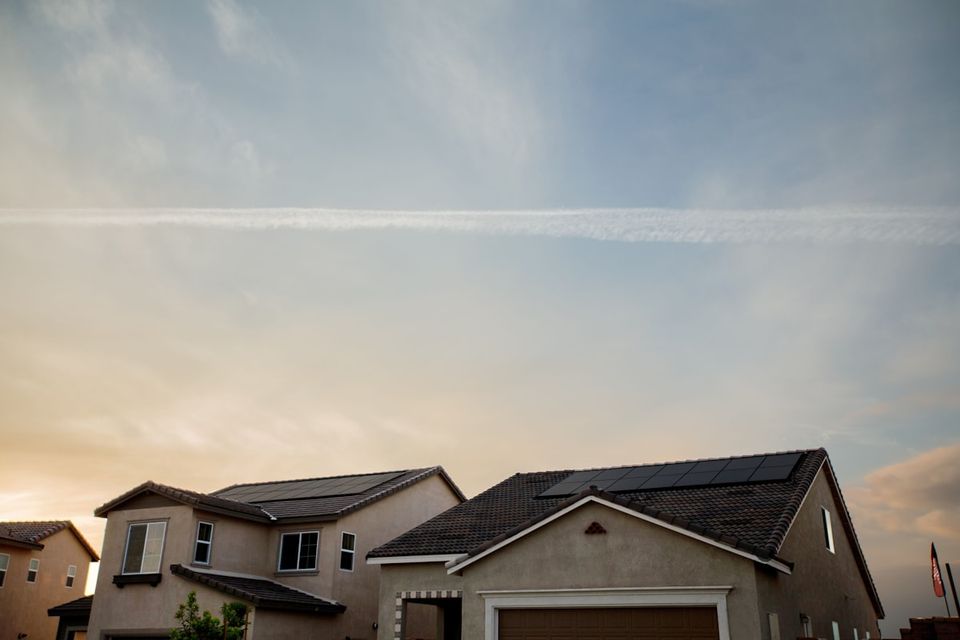
What to Track in Your Solar Panel Maintenance Record
The most valuable solar panel inspection tracker covers four categories: cleaning events, electrical inspections, inverter maintenance, and performance benchmarks. Each entry should capture the date, service provider, work performed, and any anomalies found.
According to EnergySage, most solar panel warranties guarantee at least 80% production capacity at 25 years. Documenting your system's actual output each year against its rated capacity creates a performance baseline that strengthens warranty claims if degradation exceeds the guaranteed rate.
Your solar energy system maintenance template should also track environmental conditions that accelerate wear, such as hail events, heavy snow loads, or nearby tree growth that creates shading patterns.
Recommended Maintenance Schedule and Component Lifespans
Staying ahead of failures requires knowing when each component typically needs attention. According to Solar Reviews, modern panels last 25 to 30 years, but supporting components have shorter lifecycles.
| Component | Expected Lifespan | Maintenance Frequency | Typical Replacement Cost |
|---|---|---|---|
| Solar Panels | 25-30 years | Visual inspection 2x/year | $200-$350 per panel |
| String Inverter | 10-15 years | Annual inspection | $1,000-$2,500 |
| Microinverters | 20-25 years | Annual inspection | $150-$300 each |
| Racking/Mounting | 25+ years | Inspect annually for corrosion | $500-$1,500 |
| Wiring/Connectors | 25+ years | Check connections annually | $100-$500 |
| Monitoring System | 10-15 years | Verify monthly | $200-$600 |
Premium panels from manufacturers like LG and Panasonic degrade as slowly as 0.30% per year, making annual performance logging even more important for verifying you are getting the efficiency you paid for.
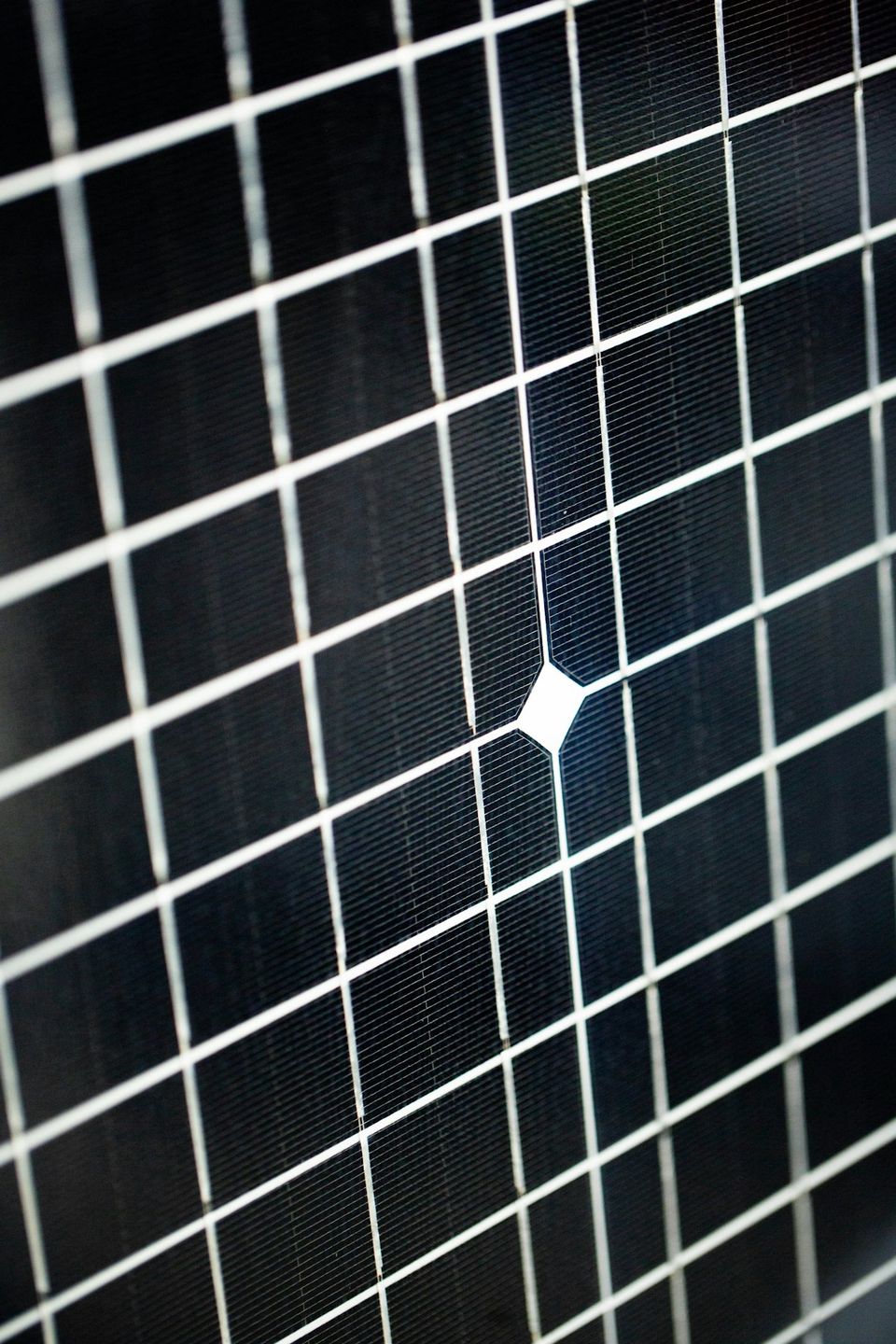
How Maintenance Records Protect Your Solar Warranty
Most solar panel warranties include a clause requiring "reasonable maintenance" to remain valid. A homeowner in Scottsdale, Arizona, discovered this firsthand when a string inverter failed at year eight. Because she had a complete photovoltaic maintenance record showing annual inspections and biannual cleaning since installation, the manufacturer approved a full replacement under warranty, saving her $2,200. Her neighbor, with an identical system but no service documentation, was denied the same claim.
This pattern repeats across the industry. When filing a warranty claim, manufacturers and installers typically request proof of regular cleaning and inspection. Your solar panel service log serves as that proof, transforming a routine record-keeping habit into potential savings of thousands of dollars.
If you are tracking other home systems, our HVAC service history log uses a similar format that pairs well with solar panel records for complete home energy documentation.
DIY Solar Panel Inspection Checklist
Between professional annual inspections, homeowners can perform quarterly visual checks to catch problems early. According to the U.S. Department of Energy, homeowners should monitor their system's output regularly and schedule professional service if production drops more than 10% from expected levels. Here is what to look for during each self-inspection:
- Panel surface condition: Check for cracks, discoloration, hot spots, or debris accumulation. Bird droppings and pollen films can reduce output by 5% to 20% if left unaddressed.
- Racking and mounting hardware: Look for loose bolts, corrosion on rails, or any panels that appear shifted from their original position.
- Wiring and junction boxes: Inspect visible wiring for fraying, animal damage, or loose connections. Do not open junction boxes — note any visible discoloration or burn marks for a professional to investigate.
- Inverter status lights: Check the inverter display for error codes or red/amber warning lights. Record the current production reading in your solar panel maintenance record.
- Shading changes: Note any new tree growth, nearby construction, or antenna installations that have changed the shading pattern on your array since the last check.

Selling a Home With Solar Panels
Documented solar systems command higher resale premiums. A complete solar panel maintenance record shows buyers exactly what they are getting: verified performance data, service history, remaining warranty coverage, and expected output. This transparency is especially important because solar lease transfers and power purchase agreements add complexity to real estate transactions.
According to NREL research, homes with owned solar panel systems sell for an average of 4.1% more than comparable homes without solar. That premium depends on the buyer trusting the system's condition, which is exactly what your photovoltaic maintenance record provides.
For a broader approach to preparing your property records, see our guide on how to organize home maintenance records, which covers how to consolidate solar, HVAC, and other system documentation into a single organized package for buyers.
You may also want to pair this template with an appliance warranty tracker to keep tabs on inverter and panel warranty expiration dates alongside your other home equipment. For tracking the broader scope of home improvement investments that affect your cost basis, our home improvement cost tracker documents the installation costs needed for tax purposes when you sell.
Your Solar Investment Deserves a Paper Trail
A rooftop solar system is a 25-year commitment with a five-figure price tag. The maintenance it needs is minimal — a few cleanings, an annual inspection, and periodic inverter checks. But the records from that maintenance carry outsized importance when a warranty claim arises, an insurance adjuster visits, or a buyer runs the numbers on your home. Start logging today, and your future self will thank you when the paperwork matters most.
Our free Home Maintenance Planner adds panel cleaning and inspections to your seasonal plan.
Frequently Asked Questions
How often should solar panels be professionally inspected?
Solar panels should be professionally inspected at least once per year, with visual checks performed twice annually by the homeowner. Annual professional inspections typically include electrical connection testing, inverter diagnostics, and a review of system output against rated capacity. Homes in areas with heavy dust, pollen, or bird activity may benefit from more frequent cleaning visits.
Do solar panel warranties require maintenance records?
Most solar panel manufacturers include maintenance clauses in their warranties that can be used to deny claims if panels were visibly neglected. While requirements vary by manufacturer, having a documented service history significantly strengthens your position when filing a warranty claim. A complete photovoltaic maintenance record with dated entries and technician details provides the clearest proof of compliance.
What is the average degradation rate for solar panels?
According to NREL research, the median degradation rate for solar panels is 0.75% per year. This means a system producing 10,000 kWh in its first year would produce approximately 9,250 kWh at year 10 and 8,125 kWh at year 25. Premium panels from manufacturers like LG can degrade as slowly as 0.30% per year, making panel quality a significant factor in long-term energy production.
How does a solar maintenance record affect home resale value?
Buyers evaluating homes with solar installations rely heavily on documented performance history to assess value. A complete solar panel maintenance record with annual output data, service history, and warranty details removes uncertainty from the transaction and supports the asking price. Without records, buyers may discount the solar system or request independent inspections that delay closing.
Digitize Your Solar Panel Maintenance Record
Real Estate Ledger lets you upload solar inspection reports, inverter service receipts, and performance data into a single, searchable property profile. Every document is verified with tamper-proof Digital Evidence, so your maintenance history is always credible when you need it for warranty claims or a home sale. Free for up to 10 properties.
Get started freeRelated Templates
Water Heater Service Record: Extend Your Unit's Life With Documented Maintenance
Free water heater service record template to track flushing, anode rod replacement, and warranty details. Includes maintenance schedule to double your unit's lifespan.
4 min readHome Vendor Management Tracker: Keep Every Contractor on Record
Free contractor contact list template to track home service providers, licenses, insurance, and job history. Printable vendor management tracker for homeowners.
5 min readSprinkler System Maintenance Log Template
Track sprinkler inspections, winterization, and repairs with this free maintenance log template. Prevent freeze damage with documented seasonal care.
6 min readSeptic System Maintenance Log Template
Track septic tank pumping, inspections, and repairs with this free maintenance log template. Follows EPA pumping guidelines and includes component lifespan data.
5 min read