Winter Home Maintenance Checklist: 12 Tasks (and What Skipping Each One Actually Costs)
Winter home maintenance checklist with sourced cost-of-neglect data for each task. 12 jobs, repair price ranges, and a free planner you can save to your home.
By the Real Estate Ledger Team
Last updated: May 2026
A frozen pipe will release roughly 250 gallons of water a day, according to the Insurance Information Institute, and the average home insurance claim for that single failure runs over $11,000. That is the price of one missed task on a winter home maintenance checklist. The tasks themselves are not glamorous — insulating a hose bib, swapping a furnace filter, walking the attic with a flashlight — but each one stands between your house and a five-figure repair bill.
Most winter checklists you find online read like a list of chores. This one is different. Every task below is paired with the actual cost of skipping it, sourced from contractor pricing data and federal energy reports, and each one deep-links into the Real Estate Ledger planner so you can mark it done, attach a receipt, and prove the work was performed when you sell the house. If you already worked through our fall home maintenance checklist, think of this as the cold-weather follow-through.
How to Use This Winter Home Maintenance To Do List
Lead with the highest-impact tasks first: anything that prevents water damage, then anything that prevents a heating failure, then everything else. The order matters because cold snaps do not wait for you to be ready. A single 12-hour freeze can split a copper line that has been fine for forty winters.
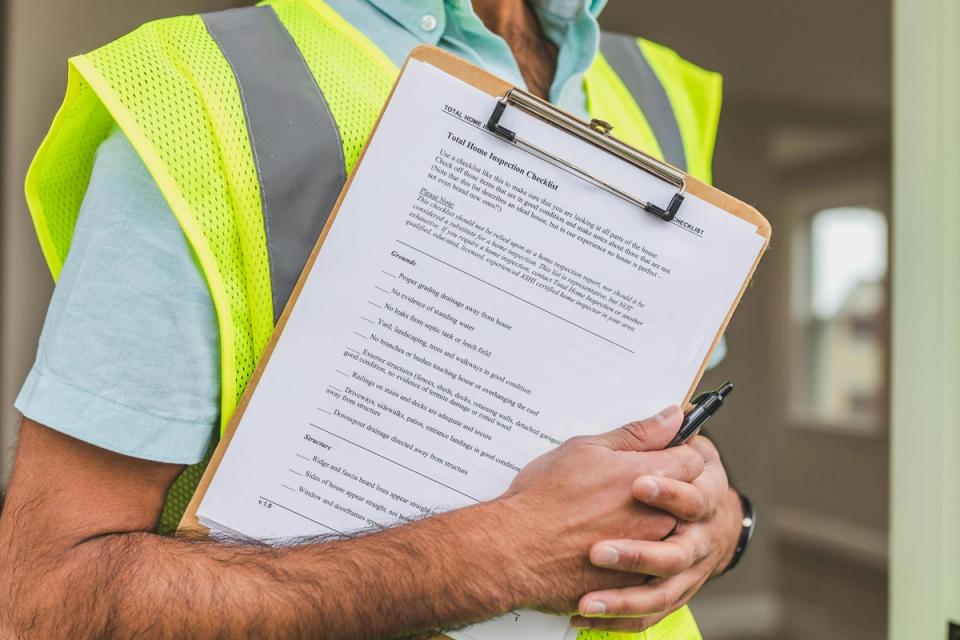
Work the list in two passes. The first pass is the walkthrough — clipboard or phone, every room and every exterior wall, noting what needs attention. The second pass is the fix. Splitting it this way takes an extra hour up front but cuts the actual work in half because you stop bouncing between the basement and the garage looking for the right wrench.
Each task in the table below has a ?focus=<task_id> link. Clicking it opens the Real Estate Ledger planner with that task pre-selected, so you can set a reminder, log the date you completed it, and attach a photo of the work. Years from now, when a buyer's home inspector asks whether the furnace has been serviced, you have a dated record instead of a guess.
The 12-Task Cold Weather Home Maintenance Checklist
Answer first: if you only do four things this winter, do these — drain outdoor faucets, replace the furnace filter, test smoke and CO detectors, and clear gutters before the first snow. Those four prevent the four most expensive failure modes: pipe burst, furnace death, fire, and ice dam. Everything else is optimization.
The full list, ordered by cost-of-neglect (highest first):
| # | Task | Skip cost (typical) | Source | Planner deep-link |
|---|---|---|---|---|
| 1 | Drain and insulate outdoor faucets, shut off hose bib valves | $5,000–$70,000 (avg pipe-burst claim ~$11,650) | Insurance Information Institute | Plan it → |
| 2 | Have furnace inspected and tune-up performed | $3,000–$7,600 (full replacement) | ACCA Quality Maintenance Standard | Plan it → |
| 3 | Test smoke and carbon monoxide detectors, replace batteries | Fire deaths peak in winter; CO kills 400+/yr in the U.S. | CDC | Plan it → |
| 4 | Clean gutters and downspouts before snow | $1,000–$10,000 ice-dam repair | State Farm ice-dam guidance | Plan it → |
| 5 | Replace furnace/HVAC filter (1" filters every 30–90 days) | 5–15% efficiency loss; shortened blower life | ENERGY STAR | Plan it → |
| 6 | Inspect and seal attic air leaks, verify insulation depth | Up to ~10% of annual energy bill, per leak class | U.S. Department of Energy | Plan it → |
| 7 | Have chimney/flue swept and inspected (if used) | $7,000+ chimney fire damage; CO risk | Chimney Safety Institute of America | Plan it → |
| 8 | Reverse ceiling fans to clockwise (low speed) | ~7% heating cost reduction in tall rooms | U.S. Department of Energy | Plan it → |
| 9 | Caulk and weatherstrip windows and exterior doors | 10–25% air-leak savings on heating | U.S. Department of Energy | Plan it → |
| 10 | Flush water heater, check anode rod | $1,200–$3,500 replacement | InterNACHI water heater inspection guide | Plan it → |
| 11 | Disconnect and store hoses; cover hose bibs | $50–$150 burst hose-bib repair, plus interior wall damage | Insurance Information Institute | Plan it → |
| 12 | Stock emergency kit: water, flashlights, generator fuel | Power outage exposure during winter storms | Ready.gov | Plan it → |
If the table feels long, run the top six and circle back to the rest in January. The first six cover roughly 90% of the dollar risk.
Cost of Neglect: Why Each Winter Home Maintenance Task Pays Off
Answer first: adding the three failure-mode estimates below ($11,650 average pipe-burst claim + $7,600 high-end furnace replacement + several thousand dollars per ice-dam event) puts cumulative exposure above $20,000 in a single bad winter, and most of that is not fully covered by a standard policy.
Frozen pipes. A burst pipe does not just leak water. It saturates drywall, ruins flooring, and seeds mold inside wall cavities that you will be paying to remediate six months later. The Insurance Information Institute reports that water damage and freezing together account for nearly a quarter of all homeowner claims, with an average claim around $11,650. Insulating a $3 hose bib cover and shutting off an interior valve takes ten minutes.
Furnace failure. A furnace that has gone two seasons without service runs hotter, burns dirtier, and fails sooner. The Air Conditioning Contractors of America publishes the ACCA Standard 4 (HVAC Quality Maintenance), which documents how skipped annual maintenance accelerates component wear and pushes replacement timelines forward, with typical full furnace replacements running $3,000 to $7,600 — and emergency replacement during a January cold snap pushes the high end. A $120 annual tune-up extends median equipment life and catches cracked heat exchangers before they leak carbon monoxide into the living space.
Ice dams. Warm air leaks into the attic, melts snow on the roof, and the runoff refreezes at the cold eaves. Water then backs up under the shingles and pours through the ceiling. State Farm publishes ice-dam guidance because the claim is so common, and repairs routinely exceed several thousand dollars per occurrence. The fix is upstream: clear gutters, seal attic bypasses, and add insulation. None of those are dramatic projects. All of them prevent the same dramatic failure.
Cold Weather Home Maintenance Checklist for the Day of First Hard Freeze
Lead with this: when the forecast shows the first overnight low below 25°F, you have one evening to do four things. Disconnect every garden hose. Open the cabinet doors under any sink on an exterior wall. Set the thermostat no lower than 55°F if you are leaving town. Find your main water shutoff and confirm it actually turns.
That last one trips up more homeowners than any other item on the list. The valve has not moved in years. It is corroded, or the handle is plastic and brittle. The night a pipe lets go is not the time to discover this. Test it on a Saturday afternoon — turn it fully off, open a faucet to confirm flow stops, then turn it back on. If it will not budge, call a plumber now, not at 2 a.m.
A homeowner in Minneapolis we worked with last January had completed every task on a generic winter home prep checklist except this one. A pipe in an exterior wall split during a -22°F night. By the time he found the shutoff (rusted in place under twenty years of basement clutter), 40 minutes of water had soaked into the subfloor, the kitchen cabinets below, and the finished basement ceiling. Final repair: $14,200, and his deductible alone was $2,500. Cost to test the valve in advance: zero.
Tracking Your Winter Home Maintenance To Do List So It Pays Off at Resale
Buyers and their inspectors notice documented homes. A 2024 Zillow Consumer Housing Trends Report found that 82% of buyers say it is important to understand a home's maintenance history before making an offer, and dated service records close with less negotiation friction than undocumented homes. Yet most homeowners cannot produce a single dated record when asked.
This is where the deep-links above matter. Each ?focus=<task_id> link in the table opens the Real Estate Ledger planner with that task pre-selected. You log the completion date, attach a photo or invoice, and the record is permanent. Three winters from now, when you list the home, the property report shows that the furnace was professionally serviced in November of each year, the chimney was swept on the dates you logged, and the pipes were winterized before every freeze. That documentation reduces buyer skepticism, shrinks the inspection negotiation window, and shows up as an asset at the closing table — not just a chore you completed and forgot.
If you do not have a planner yet, even a spreadsheet works for the first season. The point is the dated record. For the spreadsheet path, our home maintenance log template has the columns already set up. For a printable version of the full year, see the annual home maintenance schedule.

Build a Winter Maintenance Record Your Future Buyer Will Pay For
Real Estate Ledger gives you a planner that deep-links every task on this checklist, a place to attach the receipt, and a buyer-ready property report that surfaces it all at resale. Plans start at $1.99/month — try it free for 30 days, no credit card required.
Frequently Asked Questions
What temperature should I set my thermostat to in winter when I'm away?
Keep the thermostat at 55°F or higher when you are away from the home in winter. The U.S. Department of Energy and most insurance carriers cite this as the floor for preventing pipes inside exterior walls from freezing. Setting it lower to save energy can cost you a five-figure pipe burst, which erases years of heating savings in a single night.
How often should I change my furnace filter in winter?
Replace a standard 1-inch fiberglass or pleated furnace filter every 30 to 90 days during heavy heating use, leaning toward the shorter end if you have pets, recent renovation dust, or someone in the household with allergies. Thicker 4–5 inch media filters typically last 6–12 months. A clogged filter forces the blower to work harder, which raises your energy bill and shortens the unit's life.
Do I really need to drain outdoor faucets if I have frost-free hose bibs?
Yes — a frost-free hose bib only works if the hose has been disconnected. If you leave the hose attached, water cannot drain back out of the bib, it freezes inside the wall, and the supply pipe splits behind the drywall. The Insurance Information Institute lists this as one of the most common winter water-damage causes. It is a 90-second task that prevents the most expensive failure mode on the list.
What is the most commonly skipped winter home maintenance task?
Locating and testing the main water shutoff valve. Most homeowners can answer every other question on a winter home prep checklist but have never actually closed and reopened the valve. Test it once a year. If it sticks, leaks, or has a brittle plastic handle, schedule a plumber to replace it before you need it in an emergency.
Should I cover my AC condenser in winter?
A full wrap-around cover is generally not recommended — it traps moisture, invites rodents, and can void some manufacturer warranties. Most HVAC manufacturers and contractors suggest only covering the top of the condenser to keep ice and falling debris off the fan blades, leaving the sides open for airflow. Check your unit's manual; some specifically warn against covers entirely.
Where This Checklist Goes Next
Spring is the audit. As soon as the last freeze clears, walk the same exterior you winterized in November, look for caulk that pulled, gutters that crushed under ice, and shingles that lifted. From there the cycle continues into the summer home maintenance checklist — AC service, deck refinishing, irrigation — and back around to fall. The data you logged this winter — every dated task, every receipt, every photo — is what makes that spring walk a five-minute confirmation instead of a discovery exercise. Documentation compounds. One winter of records is useful. Five winters of records is a property report buyers actually pay extra for. Start with task one tonight: go check your main shutoff valve.
References
- Insurance Information Institute. "Preventing and Thawing Frozen Pipes."
- Insurance Information Institute. "Facts + Statistics: Homeowners and renters insurance."
- U.S. Department of Energy. "Air Sealing Your Home."
- U.S. Department of Energy. "Weatherstripping."
- U.S. Department of Energy. "Ceiling Fans."
- ENERGY STAR. "Maintenance Checklist."
- Centers for Disease Control and Prevention. "Carbon Monoxide Poisoning."
- State Farm. "Preventing Ice Dams."
- Air Conditioning Contractors of America. "ACCA Approved Standards (Standard 4: HVAC Quality Maintenance)."
- InterNACHI. "Water Heater Inspection."
- Chimney Safety Institute of America. "Homeowner Resources."
- Zillow Research. "2024 Zillow Consumer Housing Trends Report."
- Ready.gov. "Winter Weather."
Frequently Asked Questions
What temperature should I set my thermostat to in winter when I'm away?
Keep the thermostat at 55°F or higher when you are away from the home in winter. The U.S. Department of Energy and most insurance carriers cite this as the floor for preventing pipes inside exterior walls from freezing. Setting it lower to save energy can cost you a five-figure pipe burst, which erases years of heating savings in a single night.
How often should I change my furnace filter in winter?
Replace a standard 1-inch fiberglass or pleated furnace filter every 30 to 90 days during heavy heating use, leaning toward the shorter end if you have pets, recent renovation dust, or someone in the household with allergies. Thicker 4–5 inch media filters typically last 6–12 months. A clogged filter forces the blower to work harder, which raises your energy bill and shortens the unit's life.
Do I really need to drain outdoor faucets if I have frost-free hose bibs?
Yes — a frost-free hose bib only works if the hose has been disconnected. If you leave the hose attached, water cannot drain back out of the bib, it freezes inside the wall, and the supply pipe splits behind the drywall. The Insurance Information Institute lists this as one of the most common winter water-damage causes. It is a 90-second task that prevents the most expensive failure mode on the list.
What is the most commonly skipped winter home maintenance task?
Locating and testing the main water shutoff valve. Most homeowners can answer every other question on a winter home prep checklist but have never actually closed and reopened the valve. Test it once a year. If it sticks, leaks, or has a brittle plastic handle, schedule a plumber to replace it before you need it in an emergency.
Should I cover my AC condenser in winter?
A full wrap-around cover is generally not recommended — it traps moisture, invites rodents, and can void some manufacturer warranties. Most HVAC manufacturers and contractors suggest only covering the top of the condenser to keep ice and falling debris off the fan blades, leaving the sides open for airflow. Check your unit's manual; some specifically warn against covers entirely.
Build a Winter Maintenance Record Your Future Buyer Will Pay For
Real Estate Ledger gives you a planner that deep-links every task on this checklist, a place to attach the receipt, and a buyer-ready property report that surfaces it all at resale. Plans start at $1.99/month — try it free for 30 days, no credit card required.
Get started freeRelated Checklists
Spring Home Maintenance Checklist: 14 Tasks That Pay for Themselves
Spring home maintenance checklist with sourced cost-of-neglect data for every task: gutters, AC tune-up, roof, dryer vent, and more. Free planner included.
11 min readFall Home Maintenance Checklist: 12 Tasks and What It Costs to Skip Each One
A fall home maintenance checklist with sourced cost-of-neglect data for every task. Twelve jobs, dollar figures, and a free planner to track them.
9 min readSummer Home Maintenance Checklist: 12 Tasks Worth Doing Before August
A summer home maintenance checklist with 12 dated tasks, sourced cost-of-neglect data, and one-click planner deep-links. Free printable version included.
11 min readHome Maintenance History Report: Complete Checklist for Homeowners
Build a home maintenance history report that tracks every repair and service call. Use our checklist to document your house maintenance history.
5 min read