Electrical Repair History Record: Document Every Wiring Fix and Panel Upgrade
Free electrical repair history record template to document wiring repairs, panel upgrades, and outlet replacements. Includes safety inspection checklist and component lifespan data.
By the Real Estate Ledger Team
Electrical distribution systems are the third leading cause of home structure fires in the United States, responsible for an estimated 51,000 fires, nearly 500 deaths, and $1.3 billion in property damage each year, according to the Electrical Safety Foundation International (ESFI). Behind those statistics is a common thread: aging wiring, undocumented modifications, and repairs performed without records. An electrical repair history record creates a documented trail of every fix, upgrade, and inspection in your home's electrical system — the kind of record that protects both your safety and your investment.
Unlike plumbing or HVAC systems that show visible symptoms when they fail, electrical problems often hide inside walls until they cause damage. This electrical repair log is designed to capture every repair, modification, and professional inspection so that you, future buyers, and home inspectors can see the full home electrical history of your property.
Electrical System Profile and Repair Record Template
Electrical System Profile
| Field | Details |
|---|---|
| Panel Manufacturer | e.g., Square D |
| Panel Type | e.g., 200-amp main breaker |
| Panel Location | e.g., Basement utility room |
| Panel Age | e.g., Installed 2018 |
| Number of Circuits | e.g., 40 spaces, 32 used |
| Wiring Type (main) | e.g., Romex (NM-B) copper |
| Wiring Type (original, if different) | e.g., Knob-and-tube in attic (partially replaced) |
| Service Entrance | e.g., Underground, 200-amp |
| GFCI Locations | e.g., Kitchen (3), bathrooms (2), garage (1), exterior (2) |
| AFCI Protection | e.g., Bedrooms and living areas (installed 2018) |
| Grounding System | e.g., Grounding rods + water pipe bond |
| Last Professional Inspection | e.g., 03/2024 |
| Permit History | e.g., Panel upgrade permit #2018-E-4521 |
Repair and Service Log
| Date | Location | Work Performed | Electrician / DIY | Cost | Permit Required | Permit # | Parts / Materials | Inspection Passed | Receipt Ref |
|---|---|---|---|---|---|---|---|---|---|
| 03/10/2024 | Whole house | Panel upgrade: 100A to 200A | Bright Electric | $3,200 | Yes | 2024-E-1102 | Square D panel, new breakers | Yes (03/22/2024) | INV-BE-447 |
| 06/15/2025 | Kitchen | Added 2 dedicated 20A circuits for countertop outlets | Bright Electric | $850 | Yes | 2025-E-0334 | 12/2 Romex, GFCI outlets | Yes (06/28/2025) | INV-BE-512 |
| 09/20/2025 | Master bedroom | Replaced failed AFCI breaker | Self | $45 | No | — | Square D AFCI 15A | N/A | Home Depot receipt |
| 01/05/2026 | Garage | Installed EV charger outlet (NEMA 14-50) | Bright Electric | $620 | Yes | 2026-E-0089 | 6/3 wire, 50A breaker, outlet | Yes (01/18/2026) | INV-BE-578 |
| 03/01/2026 | Exterior | Replaced weathered GFCI outlet on patio | Self | $22 | No | — | Weather-rated GFCI outlet | N/A | Amazon order |
Key fields explained:
- Permit Required / Permit #: electrical work often requires permits. Unpermitted work can create liability during home sales and insurance claims.
- Inspection Passed: permitted work must pass municipal inspection. Record the inspection date and result.
- Parts / Materials: wire gauge, breaker type, and outlet specifications matter for future troubleshooting
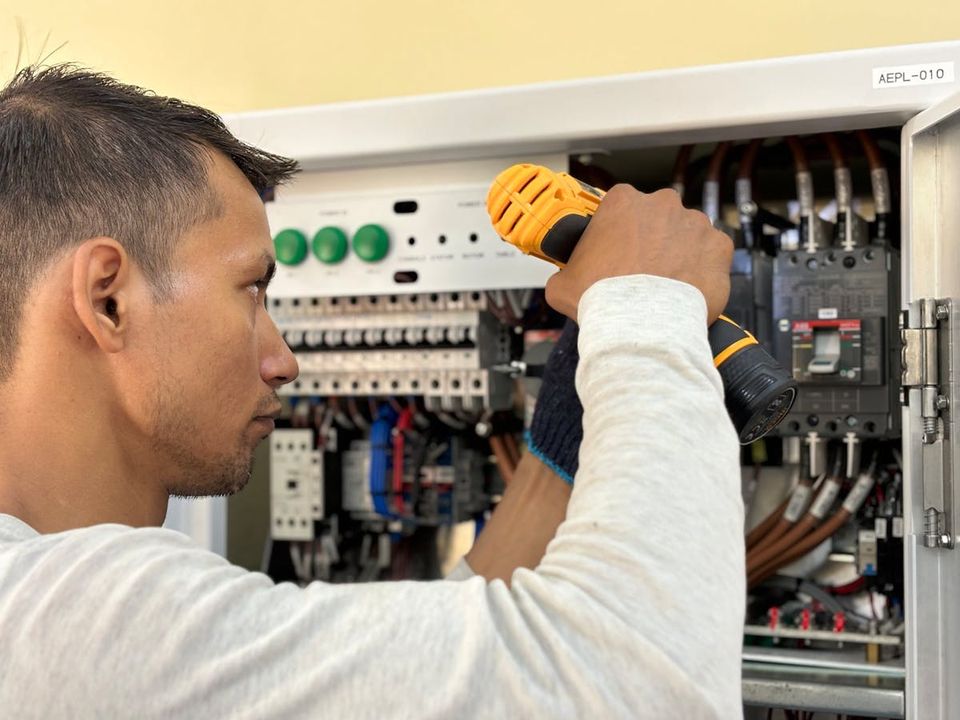
Electrical Component Lifespans, Inspection Schedule, and Repair Costs
Electrical systems have some of the longest lifespans of any home component, but specific elements require monitoring. This data is compiled from InterNACHI and NFPA guidance.
| Component | Expected Lifespan | Inspection Frequency | Warning Signs | Typical Repair/Replacement Cost |
|---|---|---|---|---|
| Copper wiring | 50-100 years | Every 5-10 years (professional) | Discolored outlets, burning smell | $8-$15 per linear foot |
| Electrical panel | 25-40 years | Every 5 years (professional) | Tripping breakers, corrosion, heat | $1,500-$4,000 (upgrade) |
| Circuit breakers | 25-30 years | Annually (homeowner test) | Won't reset, trips frequently | $150-$300 per breaker |
| GFCI outlets | 10-15 years | Monthly (test button) | Won't trip when tested | $100-$250 installed |
| AFCI breakers | 15-20 years | Monthly (test button) | Nuisance tripping, won't reset | $150-$300 installed |
| Light switches | 20-30 years | As needed | Flickering, buzzing, warm to touch | $75-$150 installed |
| Standard outlets | 15-25 years | As needed | Loose plugs, discoloration, heat | $75-$175 installed |
| Smoke detectors | 10 years | Monthly (test), replace at 10 years | Chirping, fails test | $20-$50 each |
| Whole-house surge protector | 5-10 years | Annually (indicator light) | No indicator light, after major surge | $300-$600 installed |
| Knob-and-tube wiring | Should be replaced | Immediate inspection recommended | Present in pre-1950 homes | $8,000-$15,000+ (full rewire) |
The NFPA recommends a thorough electrical inspection if your home is older than 40 years, has had a major renovation, or has had a large appliance (EV charger, hot tub, workshop equipment) added. Document every inspection in your electrical repair history record regardless of whether issues are found. Clean inspection results are equally valuable for resale and insurance.
Permitted vs. Unpermitted Work: Why It Matters
Electrical work is one of the most regulated aspects of home repair. Most jurisdictions require permits for any work beyond simple outlet or switch replacements. The distinction matters for three reasons:
1. Safety. Permitted work must pass inspection by a municipal electrical inspector who verifies it meets the National Electrical Code (NEC). This third-party verification reduces fire and shock risk.
2. Insurance. If an electrical fire or injury results from unpermitted work, your homeowner's insurance may deny the claim. The electrical repair history record should clearly note which work was permitted and which was minor enough to be exempt.
3. Resale. Home inspectors flag unpermitted electrical work, and buyers may demand that it be brought up to code before closing. According to HomeLight, electrical issues are among the most common findings during home inspections and frequently lead to negotiation credits.
A homeowner in Portland discovered during a pre-sale inspection that the previous owner had added a sub-panel in the garage without a permit. The buyer's agent requested a $4,500 credit to bring it up to code. The seller's only defense would have been a documented record showing the work was done by a licensed electrician with an inspection, but no electrical repair history record existed. Keeping a record of permitted work and professional inspections protects you from inheriting undocumented liability.
For tracking all your home systems in a single place, see our home maintenance log template. For specific HVAC electrical component tracking, check our HVAC service history log.
Homeowner Electrical Safety Inspection Checklist
Perform this quarterly safety check and record results in your electrical repair history record. This does not replace professional inspections but catches common hazards between them.
Throughout the home:
- Test all GFCI outlets using the test/reset buttons
- Test all AFCI breakers using their test buttons
- Check for warm or discolored outlet covers
- Listen for buzzing from switches, outlets, or the panel
- Ensure nothing is blocking the electrical panel door
- Check that extension cords are not used as permanent wiring
Panel area:
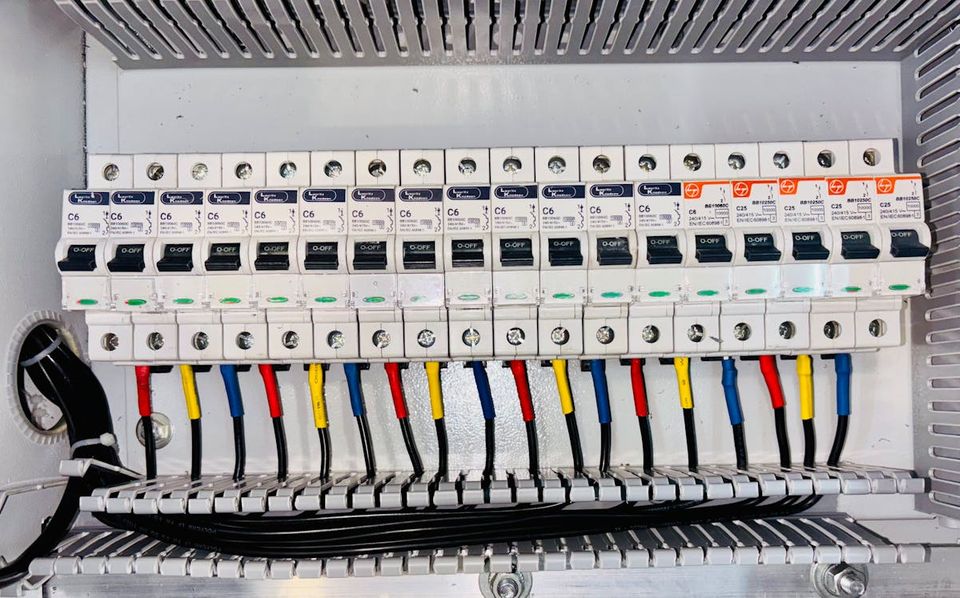
- Verify all breakers are labeled correctly
- Look for signs of moisture or corrosion
- Check that the panel door closes securely
- Note any breakers in the tripped position
Exterior:
- Test outdoor GFCI outlets
- Inspect weatherproof covers for damage
- Check that outdoor lighting fixtures are sealed
- Verify that the electric meter area is clear and accessible
According to the USFA (FEMA), AFCI protection (which detects dangerous arc faults not caught by standard breakers) significantly reduces the risk of electrical fires. If your home does not have AFCI protection in bedrooms and living areas, consider adding it and documenting the upgrade in your record.
For a full overview of all property documentation, see our documents needed to sell a house checklist.
What the Walls Cannot Tell, the Record Can
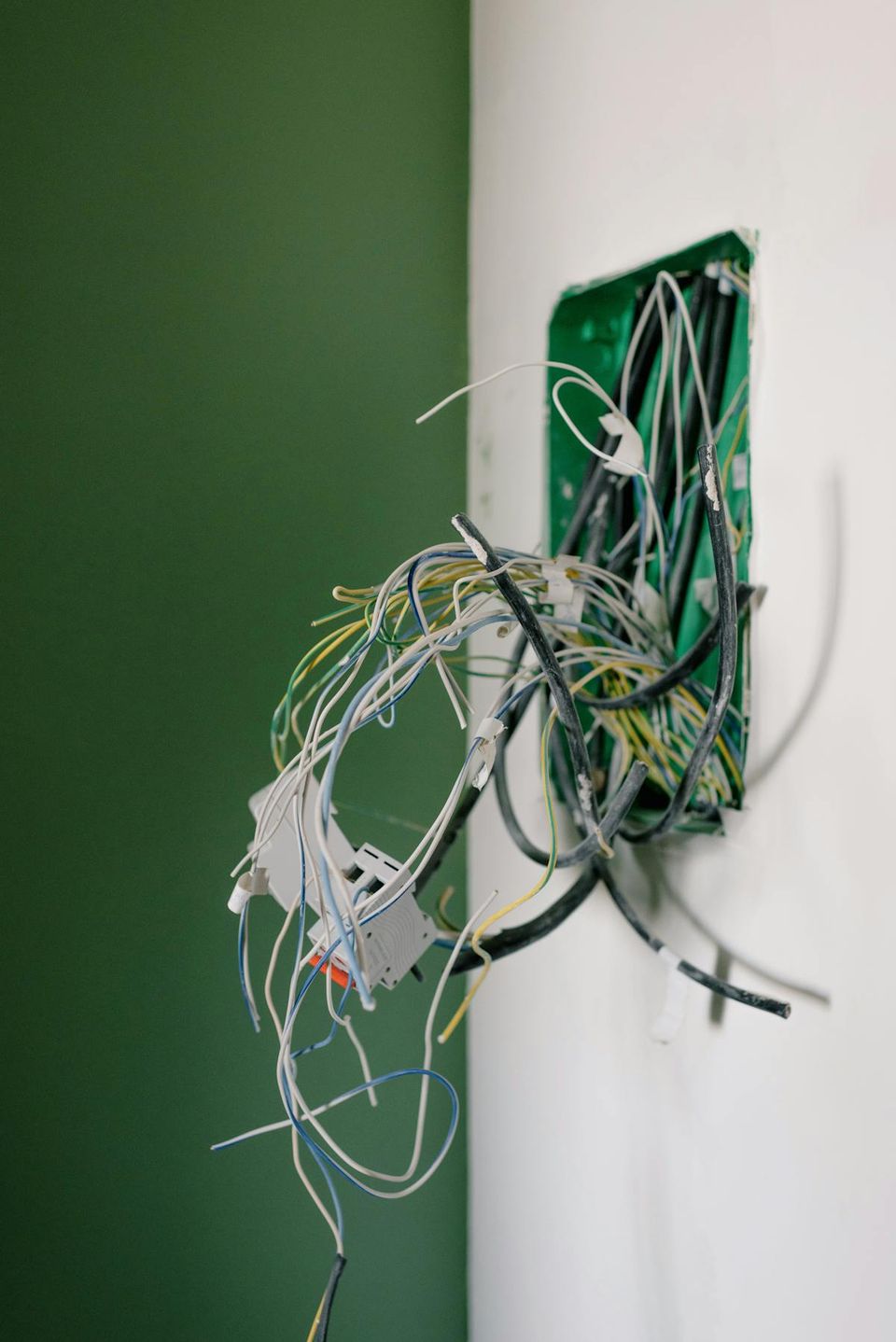
Electrical systems are the one part of your home you should never guess about. Every wire, every connection, every modification carries consequences for safety, insurance, and value. An electrical repair history record captures the work you cannot see after the drywall goes back up — giving you, your insurer, and your next buyer a clear view of what was done, when, by whom, and whether it passed inspection. Start your record with your panel details today, and every entry after that makes the invisible visible.
Frequently Asked Questions
What electrical work requires a permit?
Requirements vary by jurisdiction, but most municipalities require permits for panel upgrades, new circuit installation, wiring additions or modifications, EV charger installation, and generator hookups. Simple replacements of outlets, switches, and light fixtures typically do not require permits. When in doubt, call your local building department before starting work — and record the answer in your electrical repair history record.
How often should I have a professional electrical inspection?
The NFPA recommends a professional electrical inspection every 10 years for homes under 40 years old, and every 5 years for older homes. Additionally, get an inspection whenever you purchase a home, complete a major renovation, or add a large electrical load like an EV charger or hot tub. Between professional inspections, conduct quarterly safety checks using the homeowner checklist above.
Should I document electrical repairs I do myself?
Document every repair, including DIY work like replacing outlets or switches. Note the date, what was replaced, and the specifications of the new component. If a future inspection reveals an issue with a DIY repair, your documented record shows when and what was done, which is far better than having no history at all. For any work beyond simple replacements, hire a licensed electrician.
How does an electrical repair record help when selling a home?
Home inspectors evaluate the electrical system as a major component of their report. A complete electrical repair history record showing professional panel maintenance, permitted work with passed inspections, and consistent safety checks demonstrates that the system has been responsibly maintained. This documentation can prevent or reduce buyer-requested credits and expedite the closing process.
What is the most important electrical upgrade for older homes?
For homes built before the 1990s, upgrading to a modern 200-amp panel with AFCI and GFCI protection is the highest-impact improvement. Homes with original 60-amp or 100-amp panels frequently trip breakers, cannot support modern loads, and may have outdated wiring that creates fire risk. Panel upgrades typically cost $1,500 to $4,000 and should always be documented with permits and inspection records in your electrical repair history.
Give Your Electrical Records the Weight of Verification
Real Estate Ledger turns your electrical repair history record into a verified, shareable document. Upload permit approvals, inspection reports, and contractor invoices — AI organizes each entry by date, location, and work type. Every document is fingerprinted with tamper-proof Digital Evidence, creating an authenticated electrical history that home inspectors, buyers, and insurers can verify with confidence. Free for up to 10 properties.
Get started freeRelated Templates
Chimney Inspection Record Template
Document chimney inspections, sweepings, and repairs with this free printable record template. Aligned with NFPA 211 standards for annual chimney safety.
4 min readWater Heater Service Record: Extend Your Unit's Life With Documented Maintenance
Free water heater service record template to track flushing, anode rod replacement, and warranty details. Includes maintenance schedule to double your unit's lifespan.
4 min readHome Vendor Management Tracker: Keep Every Contractor on Record
Free contractor contact list template to track home service providers, licenses, insurance, and job history. Printable vendor management tracker for homeowners.
5 min readSprinkler System Maintenance Log Template
Track sprinkler inspections, winterization, and repairs with this free maintenance log template. Prevent freeze damage with documented seasonal care.
6 min read