How to Track Home Repairs Without Letting Anything Slip Through the Cracks
Learn how to track home repairs and maintenance with a system that saves money, protects warranties, and builds resale value. Practical methods compared.
By the Real Estate Ledger Team
According to HomeKeep's analysis of home maintenance costs, homeowners who defer routine upkeep can face annual repair bills ranging from $6,000 to $10,000 — significantly more than the roughly $2,000 per year that planned preventive maintenance typically costs. The gap between proactive and reactive homeownership is not abstract. It is the documented difference between homeowners who track their home repairs and those who do not.
Learning how to track home repairs is less about the tool you use and more about the information you capture and the habits you build. A structured system that records dates, costs, contractors, warranties, and photos transforms scattered maintenance into a financial asset, one that protects warranty claims, lowers insurance risk, and commands a premium when you sell.
What to Track for Every Repair and Maintenance Task
Before choosing a tool or building a system, define what information matters. Most homeowners under-record: they save an invoice but not the contractor's license number, or they remember the repair but not the warranty terms. Here is the minimum viable record for every repair or maintenance event:
| Field | Why It Matters | Example |
|---|---|---|
| Date of service | Proves timeline for warranty and insurance claims | 2026-03-15 |
| System/area | Enables filtering and scheduling | HVAC - furnace |
| Type of work | Distinguishes maintenance from capital improvement (tax implications) | Annual tune-up (maintenance) |
| Contractor name and license # | Required for permit verification and warranty claims | ComfortAir HVAC, License #MC-4821 |
| Cost (labor + materials) | Tracks spending and supports cost basis adjustments | $285 labor, $42 filter = $327 |
| Invoice/receipt | Primary proof for tax, insurance, and warranty claims | Scanned PDF attached |
| Warranty terms | Prevents coverage gaps from missed service requirements | 10-year parts, requires annual service proof |
| Before/after photos | Visual evidence for insurance claims and buyer due diligence | 3 photos attached |
| Next scheduled service | Triggers future maintenance reminders | September 2026 |
This level of detail takes two to three minutes per event. The payoff comes when an HVAC compressor fails at year six of a ten-year warranty and you can instantly produce five years of annual service receipts, the exact documentation most manufacturers require to honor the warranty.
According to Fannie Mae's homeowner guidance, budgeting 1% to 4% of your home's value annually for maintenance is standard practice. For a $400,000 home, that means $4,000 to $16,000 per year flowing through your household, every dollar of which deserves a record.

Four Methods to Track Home Maintenance Compared
There is no single right way to track home repairs. The best method is the one you will actually use consistently. Here are four common approaches, with an honest assessment of each:
| Method | Best For | Strengths | Weaknesses |
|---|---|---|---|
| Paper binder | Low-tech, single property | Zero barrier, tangible | Not searchable, fire/flood risk, no photos |
| Spreadsheet | Detail-oriented DIYers | Free, customizable, formulas | Manual entry, receipts stored separately |
| Notes app | Minimal tracking needs | Always on your phone, easy photos | Poor filtering, no cost tracking |
| Dedicated property app | Active maintainers, multi-property | Auto-categorization, reminders, reports | Monthly cost, learning curve |
The paper binder works if you have one property and minimal activity. A spreadsheet gives you cost tracking and formulas but requires discipline. A notes app is the fastest way to log something but breaks down at scale. A dedicated app handles categorization, reminders, and report generation automatically, the best option for anyone who wants to track home maintenance across multiple systems or properties without manual overhead.
For a printable log you can start using today regardless of method, our home repair log template provides the format inspectors and appraisers expect.

Tracking Repairs vs. Improvements: Why the Distinction Matters
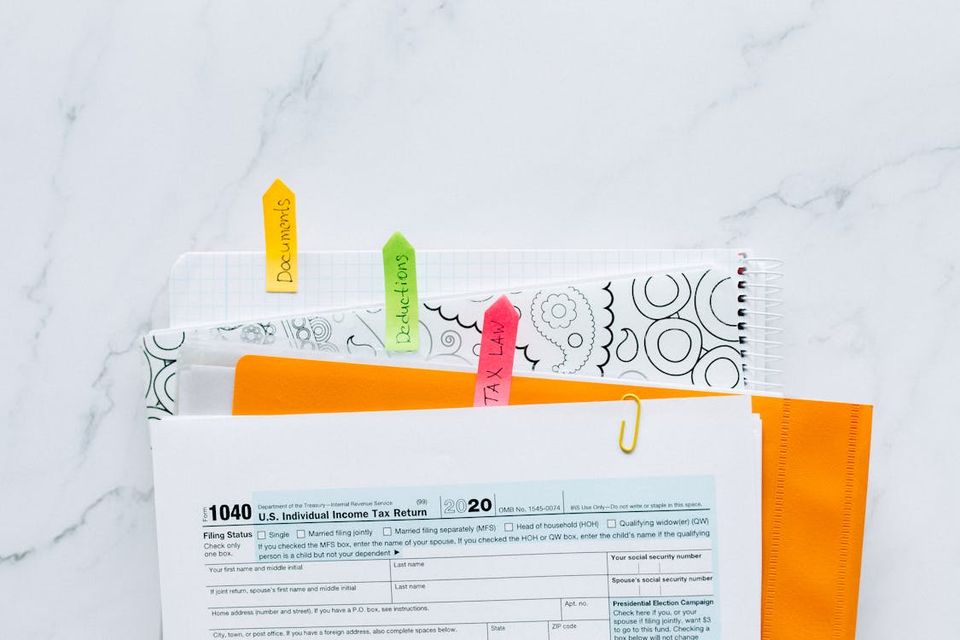
Not every dollar you spend on your home is the same in the eyes of the IRS. The distinction between a "repair" and a "capital improvement" has real tax consequences that your tracking system should capture.
Repairs maintain your home in its current condition. They include fixing a leaky faucet, patching drywall, replacing a broken window pane, or repainting a room. Repairs are not deductible for primary residences and do not adjust your cost basis.
Capital improvements add value to your home, prolong its useful life, or adapt it to new uses. According to IRS Publication 523, examples include a new roof, a bathroom addition, a kitchen remodel, new wiring, and a new HVAC system. These costs increase your adjusted cost basis, which can reduce your taxable capital gains at sale.
Your tracking system should tag each entry as one or the other. A simple "Type" column with values of "Repair" or "Improvement" is sufficient. When you sell, you (or your accountant) can filter for improvements only and total your cost basis adjustments in minutes rather than hours of receipt archaeology.
For a deeper dive into the tax implications, see our guide on how to document home improvements.
Building the Habit: A System That Survives Real Life
The gap between having a tracking system and using a tracking system is habit. Here are three techniques that work:
The receipt-in-pocket rule: File every receipt or invoice within 24 hours. Not "this weekend." Within 24 hours. This single rule prevents 90% of lost documentation.
The photo-first approach: Before and after every repair, take three photos: wide shot, close-up, and any labels or serial numbers. According to the Mississippi Home Inspection Division, documenting repairs with pictures provides an easy visual reference and proof of work completed.
The seasonal trigger: Tie your log review to something you already do. When you change your HVAC filter in spring and fall, spend five minutes confirming that the past quarter's repairs are logged. Anchoring record-keeping to existing habits makes it automatic.
What a Complete Repair History Looks Like at Resale
A homeowner in Raleigh, North Carolina listed her home in late 2025 with a five-year repair history: 23 service entries covering HVAC, plumbing, roof, pest control, and appliances, totaling $14,200 in documented maintenance, including four HVAC service records that showed the system was consistently maintained within manufacturer specifications.
The buyer's inspection found two minor items totaling $800. According to Redfin, nearly half of home sales in early 2025 involved seller concessions. In this case, the buyer's agent requested zero credits, citing the complete maintenance history as sufficient evidence of care. That documentation effectively saved the seller from a five-figure negotiation that has become routine in most transactions.
For a broader approach to managing all your property documents, see our guide on how to organize home documents.
The Two-Minute Investment That Compounds
Every repair you track is a data point that protects you — the warranty claim you win, the concession you avoid, the tax deduction your accountant can capture. None of it requires perfection. It requires two minutes after each repair. Start with your next service call.
To get ahead of the repairs in front of you, try our free Home Maintenance Planner for a personalized, season-by-season upkeep schedule.
Frequently Asked Questions
What is the easiest way to start tracking home repairs?
Use whatever tool you already have — a notes app, Google Sheet, or email folder. Capture five things for every repair: date, what was done, who did it, cost, and next service date. Upgrade your system once the habit is established.
How does tracking home maintenance save money?
Three ways: it prevents small issues from becoming emergencies ($150 tune-up vs. $5,000 compressor replacement), it preserves warranty coverage by proving service intervals, and it reduces buyer concessions at resale with documented proof of care.
Should I track repairs I do myself (DIY)?
Yes. Document DIY repairs the same way: date, description, materials cost, and photos. While DIY labor does not count toward your cost basis, material costs may qualify if the work is a capital improvement.
How far back should my repair history go?
As far back as you have records. For resale, five years demonstrates consistent care. For warranty and tax purposes, log from the installation date of each system.
What home systems should I track most carefully?
Focus on high-cost systems with strict warranty requirements: HVAC ($5,000-$15,000 replacement), roof ($8,000-$25,000), water heater ($1,000-$3,000), plumbing, and electrical. These are what inspectors examine most closely.
Stop Losing Money on Repairs You Cannot Prove
Real Estate Ledger turns your scattered repair receipts into a searchable, verified property history. Upload invoices and photos, and AI categorization logs them automatically with the right dates, vendors, and categories. When you need a warranty claim, an insurance filing, or a buyer-ready property report, everything is already organized and backed by Digital Evidence verification. Get started free for up to 10 properties — no credit card required.
Get started freeRelated Guides
The Best Home Maintenance Schedule App in 2026 (Honest Picks)
We tested every major home maintenance schedule app. Honest picks for Cozi, HomeZada, Homer, Dwellin, and Oply, plus the document layer they all miss.
12 min readReal Estate Agent Listing Tools: How Documentation Wins Listings and Closes Deals
Listing agent documentation tools that differentiate your listings. Covers property history reports, buyer trust, and technology for faster closings.
7 min readThe Best Homeowner Apps in 2026 (and Why Most Homeowners Need Two)
We tested the best homeowner apps in 2026. Honest picks for Homer, HomeZada, Dwellin, Cozi, Notion, and Real Estate Ledger, plus which pair to actually install.
10 min readHow to Organize Home Documents the Right Way
Learn how to organize home documents with a proven 5-step system. Covers digital storage, filing categories, and retention timelines backed by IRS guidelines.
5 min read