Home Insurance Documentation Checklist: Records That Protect Your Claim
Checklist of documents to keep for home insurance claims and coverage. Covers policy records, home inventory, maintenance proof, and claim filing documentation.
By the Real Estate Ledger Team
A home insurance documentation checklist is the complete set of policy records, home inventory documentation, maintenance logs, and claim-filing paperwork you need to file a successful homeowner's insurance claim. Filing a claim without proper documentation is one of the most expensive mistakes a homeowner can make. The Insurance Information Institute (III) reports that about one in 20 insured homes files a claim each year, yet many of those claims are underpaid or delayed because the homeowner cannot adequately document the loss. United Policyholders, a nonprofit consumer advocacy group, publishes claim guidance that consistently emphasizes pre-loss documentation — photo inventories, maintenance records, and receipts — as a key factor in settling claims faster and with fewer disputes. The gap between what you lost and what you can prove you lost determines your payout.
This checklist of documents needed for home insurance claims covers two phases: the home insurance paperwork to keep before anything goes wrong, and the records you need when it does.
Policy Documents to Keep Current
Your insurance policy is a contract, and like any contract, the details matter more than the summary.
| Document | Why You Need It | How Often to Update |
|---|---|---|
| Declarations page | Shows coverage types, limits, deductibles, endorsements | At each renewal |
| Full policy document | Contains exclusions and conditions | At each renewal or change |
| Insurance binder | Temporary proof of coverage during policy changes | As needed |
| Agent/carrier contact information | Quick access for claims reporting | Annual verification |
| Premium payment records | Proof of active coverage | Keep current year |
| Endorsement or rider details | Additional coverage for specific items or risks | When added or changed |
| Previous claims documentation | History that affects future coverage | Permanent |
Review your declarations page every year at renewal. Coverage limits that were adequate when you bought the home may be 20% below replacement cost after five years of inflation and improvements. The Insurance Information Institute notes that 60% of homes in the United States are underinsured by an average of 22%.

Home Inventory Documentation
A home inventory is the single most valuable insurance document you can create, and most people do not have one. It turns a claim from "I think I had about $15,000 in electronics" to "Here are photos, serial numbers, and receipts for 27 specific items totaling $14,873."
What to include for each item:
- Description and location in the home
- Make, model, serial number
- Purchase date and price
- Current replacement cost estimate
- Photo showing the item in your home
- Receipt or proof of purchase
Room-by-room approach works best. Walk through each room with your phone camera, open drawers and closets, and narrate what you see. Store the video and photos outside your home: cloud storage, a relative's house, or a secure document management platform.
Here is a concrete example of how inventory documentation pays off. A family in suburban Houston experienced a kitchen fire that destroyed appliances, cabinets, and contents. Their insurance company initially offered $18,000 for contents replacement. The family produced a detailed home inventory with receipts showing $31,400 in kitchen contents alone, including a $2,200 stand mixer, $1,800 in small appliances, and $4,600 in cookware. The settlement was adjusted to $29,800. Without documentation, they would have lost nearly $12,000 in legitimate claim value.
Maintenance Records That Support Insurance Claims
Insurance covers sudden and accidental damage. It does not cover damage from neglect. Your maintenance records prove the difference.
| Maintenance Record | Insurance Relevance |
|---|---|
| Annual roof inspection reports | Proves roof was maintained, supports storm damage claims |
| HVAC service records | Demonstrates system was serviced before failure |
| Plumbing inspection logs | Shows pipes were maintained before burst |
| Electrical inspection records | Supports fire-related claims |
| Tree trimming documentation | Proves hazard trees were addressed |
| Gutter cleaning records | Supports water damage claims |
An insurer reviewing a water damage claim will look at whether the homeowner maintained the plumbing system. Annual inspections and timely repairs documented with dates and contractor details strengthen the claim. No maintenance records can shift the insurer's assessment from "covered peril" to "neglect exclusion."
For organizing maintenance records, our home maintenance log template provides a structured tracking format. If you also have warranty coverage, see our home warranty documentation checklist for the records that support warranty claims.
Claim Filing Documents
When damage occurs, the documentation clock starts ticking. The Federal Emergency Management Agency (FEMA) recommends that homeowners photograph all damage before making any temporary repairs and keep every receipt related to the event. Collect these records as quickly as possible after the event.
Immediate documentation (first 24 hours):
- Photos and video of all damage from multiple angles
- Written description of what happened, when, and how you discovered it
- Emergency repair receipts (tarps, board-up, water extraction)
- Police or fire department report number (if applicable)
Follow-up documentation (first week):
- Repair estimates from two or three licensed contractors
- Itemized list of damaged personal property with estimated values
- Receipts or proof of ownership for damaged items
- Timeline of events and communications with the insurer
During the claims process:
- Written correspondence log with the adjuster
- Adjuster's inspection report (request a copy)
- Proof of temporary living expenses if displaced (receipts for hotel, meals, storage)
- Contractor invoices and work completion records
Insurance Documentation vs. Warranty Documentation
Homeowners sometimes confuse insurance claims with warranty claims. They serve different purposes and require different records.
| Factor | Home Insurance | Home Warranty |
|---|---|---|
| What it covers | Sudden damage (storm, fire, theft, water) | Mechanical failure of systems and appliances |
| Maintenance requirement | Must prove you maintained the property | Must prove you followed recommended maintenance |
| Key documentation | Damage photos, police report, inventory | Service history, manufacturer specs, usage records |
| Filing deadline | Varies by policy, often 60-180 days | Varies by warranty, often 30-60 days |
| Payout basis | Actual cash value or replacement cost | Repair or replace per contract terms |
Understanding this distinction helps you organize your records correctly. Both types of claims benefit from a centralized, well-organized document system. For warranty-specific record keeping, see our home warranty documentation checklist.
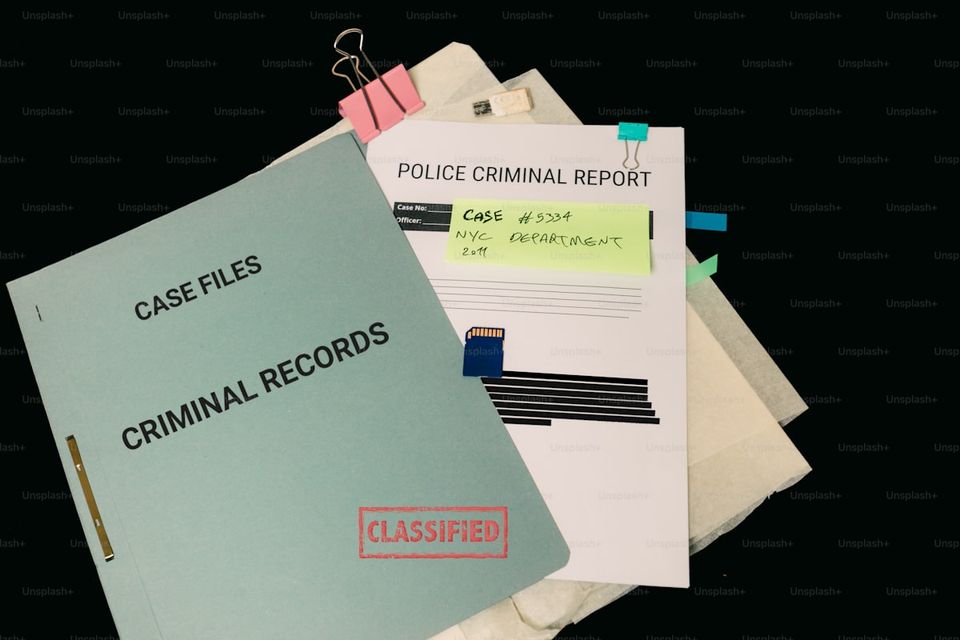
Organize Insurance Documents Before You Need Them
The worst time to organize your insurance paperwork is during a crisis. A house fire, a burst pipe, or a break-in is stressful enough without also searching for policy numbers, receipts, and contractor contacts.
For related insurance tracking, see our home insurance claim tracker template.

Frequently Asked Questions
What documents do I need to file a home insurance claim?
To file a home insurance claim, you need your policy number and declarations page, photos or video of the damage, a written description of what happened and when, receipts or proof of value for damaged items, repair estimates from licensed contractors, a police report if theft or vandalism was involved, and any temporary repair receipts. Having these ready before you call your insurer speeds up the claims process significantly.
What insurance paperwork should homeowners keep permanently?
Keep your current policy declarations page, a home inventory with photos and serial numbers, receipts for major purchases and home improvements, appraisals for valuables like jewelry or art, and records of all prior insurance claims. Update your home inventory annually and after any major purchase. Even after switching insurance carriers, retain records of previous claims for at least five years.
Does home maintenance documentation affect insurance claims?
Yes. Insurers can deny claims if damage resulted from lack of maintenance. A roof leak caused by a storm is covered. A roof leak caused by years of neglected maintenance is not. Documented annual inspections, regular HVAC service, and timely repairs demonstrate responsible ownership and strengthen your position when filing a claim.
How do I prove the value of items in an insurance claim?
Prove item value with purchase receipts, credit card statements, photos showing the item in your home, manufacturer serial numbers, appraisals for high-value items, and replacement cost estimates from retailers. A home inventory with photos, descriptions, and approximate values for each room is the most effective way to document your belongings before a loss occurs.
File Insurance Claims Faster With Verified Records
Real Estate Ledger organizes your insurance policies, home inventory, maintenance records, and receipts with tamper-proof Digital Evidence verification. When you need to file a claim, every document is searchable, shareable, and authenticated. Upload a receipt and AI categorizes it automatically. Free for up to 10 properties — no credit card required.
Get started freeRelated Checklists
Property Documentation Report: A Practical Checklist for Every Homeowner
Build a complete property documentation report with this checklist. Covers legal, financial, insurance, permits, maintenance, and warranty records for homeowners.
6 min readProperty History Report: What to Include and Why It Matters
Learn what goes into a property history report, why buyers and lenders want one, and how to build yours. Includes a complete checklist and real seller results.
5 min readAnnual Homeowner Document Review Checklist: A Yearly Audit to Protect Your Property
Yearly checklist for reviewing homeowner documents. Covers insurance, warranties, maintenance records, tax documents, and estate planning updates to audit annually.
6 min readNew Home Move-In Documentation Checklist: Building Your Property File From Day One
First-week documentation checklist for new homeowners. Covers closing documents to file, utilities to set up, systems to inspect, and records to start from day one.
5 min read